

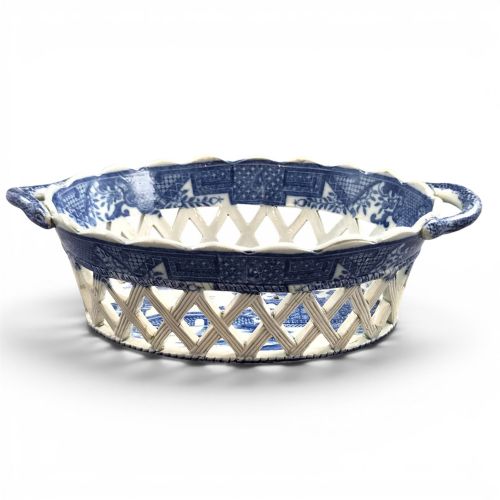
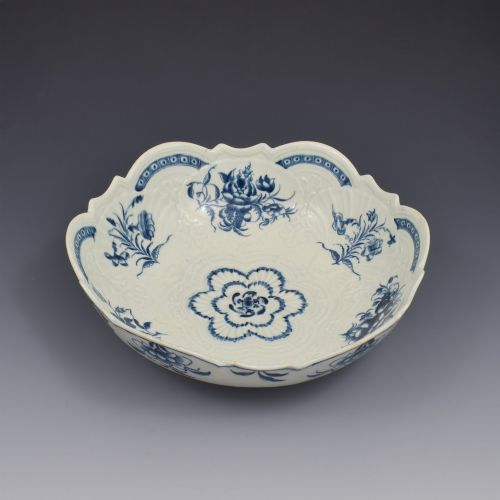
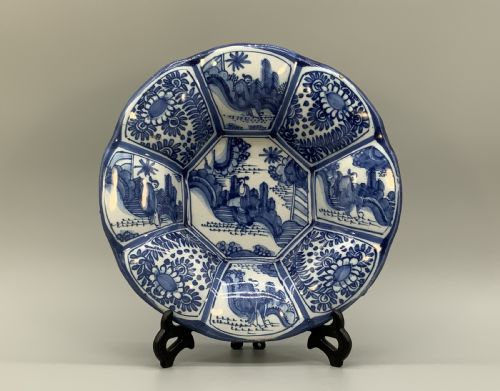
Blue and White Porcelain Bowl
A blue and white porcelain bowl carries centuries of global trade and kiln craft in its glazed depths, offering a timeless vessel for domestic display or daily use.
Blue and White Porcelain Bowl
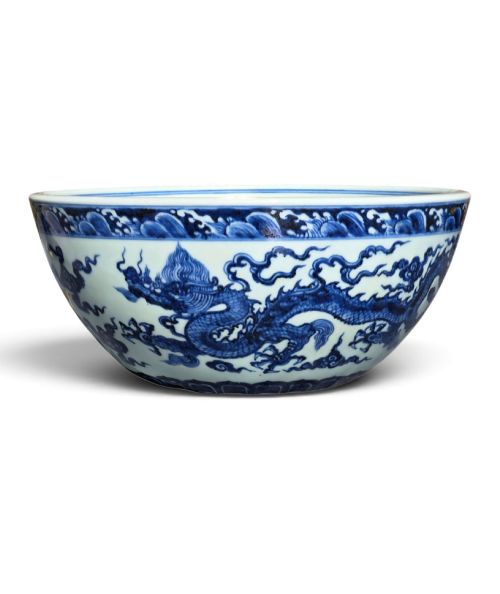
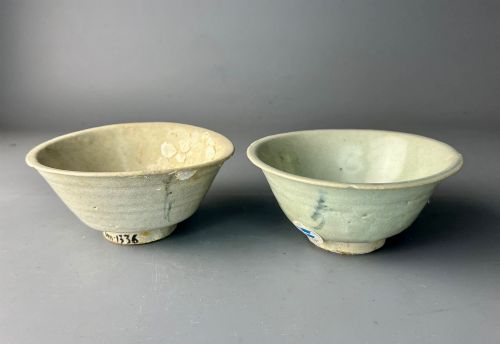
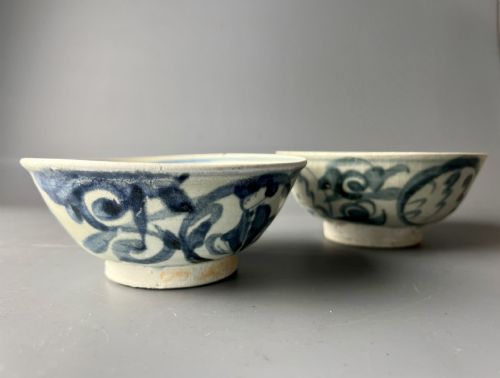
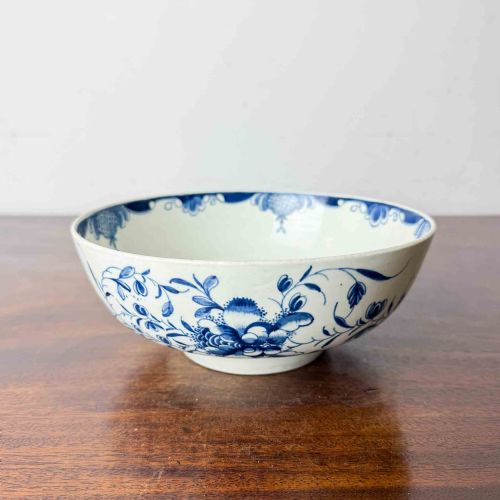
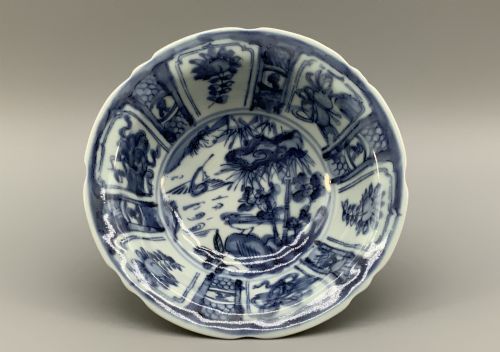
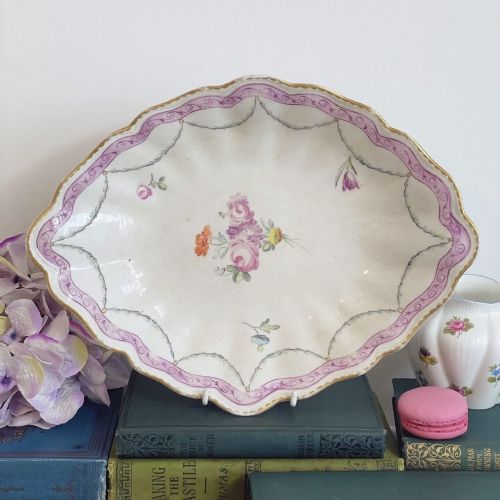
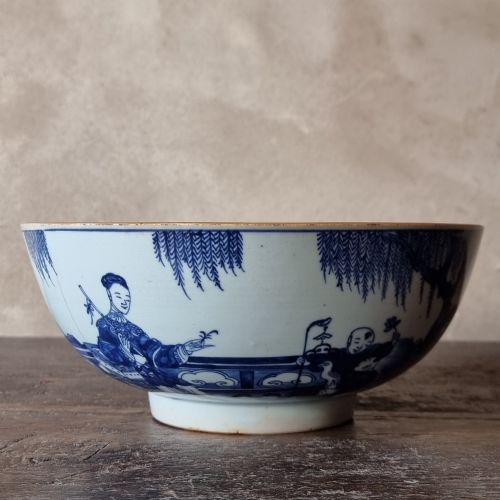
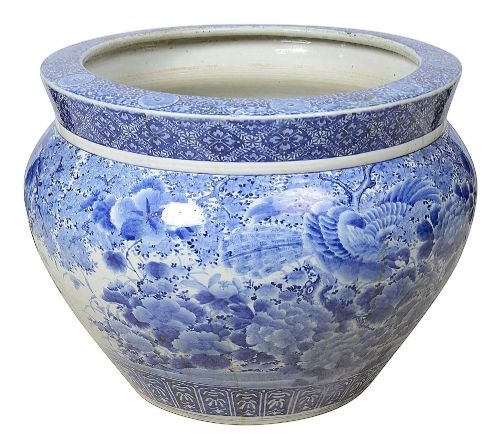
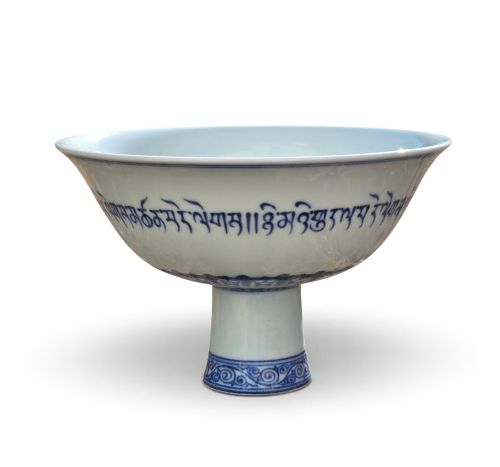
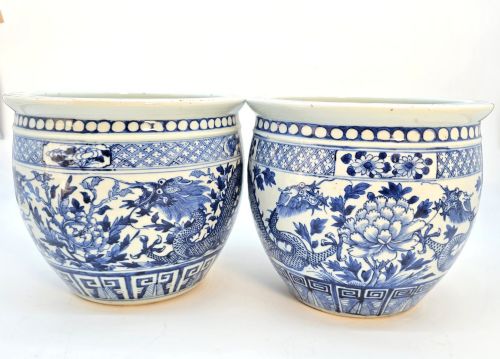
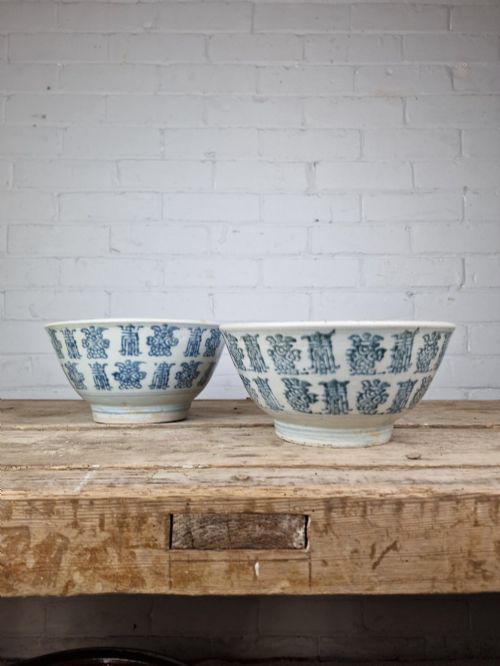
Makers across Georgian England and Qing Dynasty China utilised cobalt pigments beneath transparent glazes to render botanical motifs, dragons and landscapes. Buyers frequently encounter traditional footed forms, deep punch vessels and scalloped serving dishes spanning several centuries of production.
How they were made
Potters shaped soft-paste and hard-paste porcelain or ceramic bodies before applying cobalt glaze pigments directly to the unfired surface. This meticulous handpainting technique required steady brushwork before the pieces received a transparent protective coating and entered high-temperature kilns.
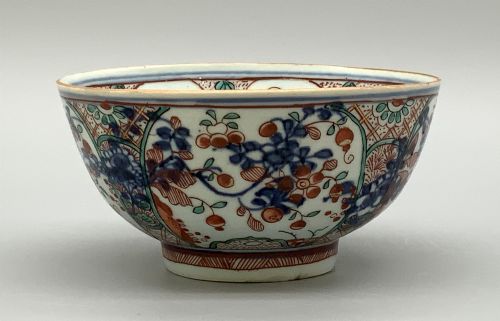
English factories such as Worcester and Derby adapted these Eastern decorative traditions using earthenware and porcelain bodies. Artisans balanced iron-rich cobalt underglazes with enamel highlights, capturing intricate floral patterns and narrative scenes.
Listings feature porcelain, earthenware, and soft-paste bodies across eighteenth and nineteenth-century production periods.
What varies in quality
The refinement of the painted cobalt decoration dictates the upper tier of the range, separating swift provincial output from precise imperial work. Controlled brush strokes and deeply saturated underglaze pigments reveal the skill of the original hand.
Structural integrity and the clarity of the glaze surface define the distinction between ordinary vessels and exceptional survivors. Superior pieces maintain crisp potting and unclouded glazes that allow the underlying ceramic body to show through without distortion.
Worcester Porcelain·Derby·Spode·Doulton Burslem·Ridgway
The Blue and White Porcelain Bowl Glossary
- Cobalt Underglaze
- A blue pigment applied to pottery before the application of glaze and firing. This metallic oxide withstands extreme kiln temperatures without losing its distinct hue.
- Soft-paste Porcelain
- A ceramic material composed of white clay and glass frit, fired at lower temperatures than hard-paste porcelain. It possesses a warm tone and a slightly softer glaze surface.
- Jardiniere
- A large ornamental pot designed to hold live plants or flowers. These vessels often feature heavy footed bases and robust walls to support wet soil.
- Sucrier
- A small covered sugar bowl used within tea service sets. They frequently feature matching lids and delicate handles reflecting the predominant style of the period.
- Kraak Style
- A Dutch term for sixteenth and seventeenth-century Chinese export porcelain featuring compartmentalised panel designs. The borders typically display alternating floral and geometric motifs.
Blue and White Porcelain Bowl: Frequently Asked Questions
How do I care for an antique bowl?
Wash the vessel by hand in lukewarm water using a mild, non-abrasive soap to protect the historic glaze. Avoid placing antique ceramics in modern dishwashers or exposing them to sudden temperature shifts.
Store the piece on a stable, level surface away from direct sunlight to prevent fading in any overglaze enamels. Gentle handling preserves both the structural integrity and the delicate painted surfaces.
How do I distinguish Chinese export from English pieces?
Chinese export porcelain typically exhibits a denser, harder body and distinct underglaze cobalt tones developed during the Qing Dynasty. English factories often utilised soft-paste porcelain or refined earthenware with different weight and resonance.
Examining the foot ring and any visible kiln marks provides further clues regarding the geographic origin of the ceramic. Stylistic variations in floral motifs and borders also separate Asian traditions from European interpretations.
What is the difference between a punch bowl and a tea bowl?
Punch bowls are significantly larger vessels designed to hold mixed drinks during communal gatherings in Georgian and earlier interiors. They feature deep, capacious basins supported by sturdy foot rings.
Tea bowls are diminutive, handleless vessels intended for holding hot infusions during formal tea ceremonies. Their small scale and delicate potting distinguish them from larger serving dishes and wash basins.