




Blue and White Imari
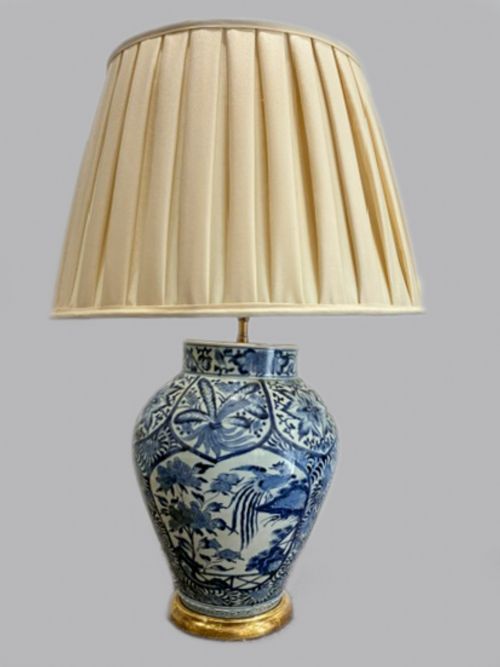
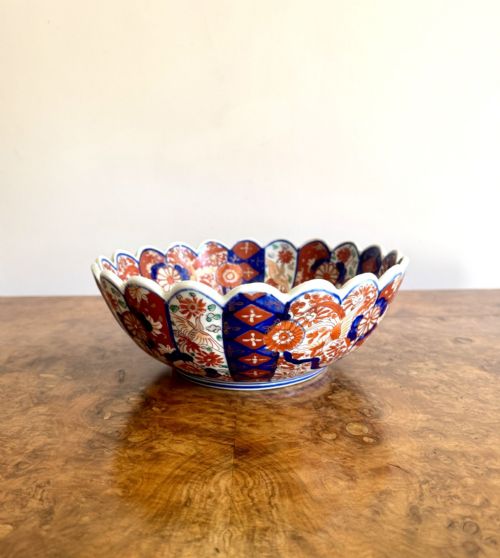
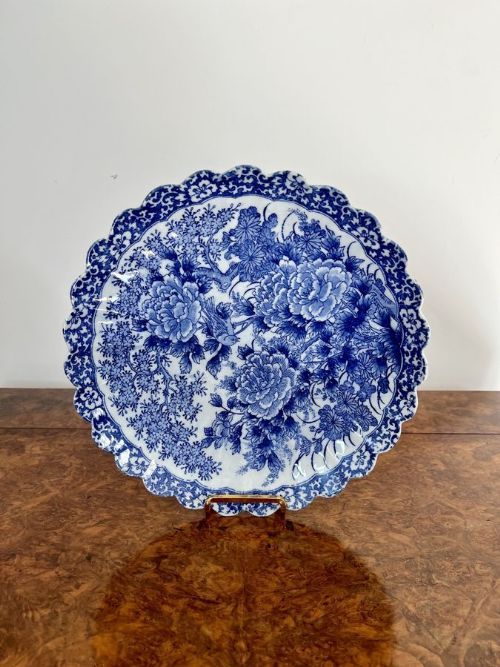
Blue and white imari pieces bring together rich cobalt glaze, porcelain and intricate oriental patterns that draw the eye in any room.
Blue and White Imari
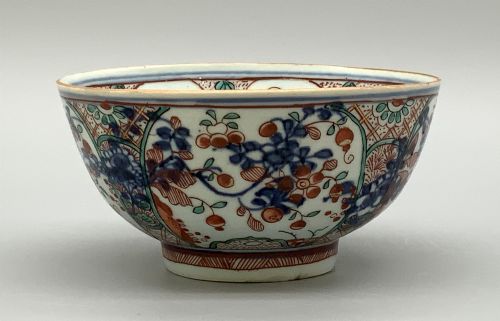
When you search for blue and white imari, you encounter a distinct blend of Japanese Arita and Chinese export traditions alongside later English interpretations in ironstone and earthenware. The selection spans centuries of plates, bowls, chargers, and vases created for both domestic display and international trade.
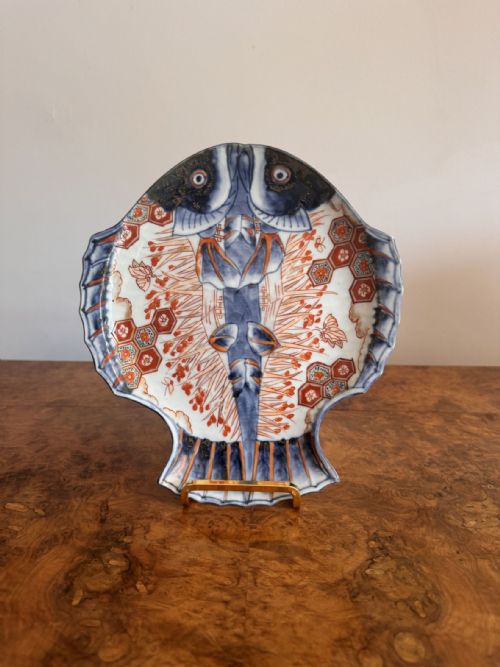
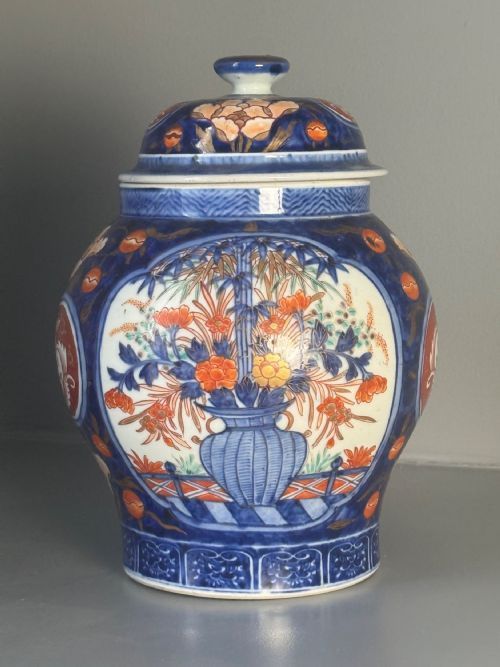
You are most likely to meet Japanese pieces from the Meiji period and around nineteen hundred, alongside earlier eighteenth century examples. Forms range from scalloped edge dishes and fish shaped plates to large floor standing vases and jardinieres.
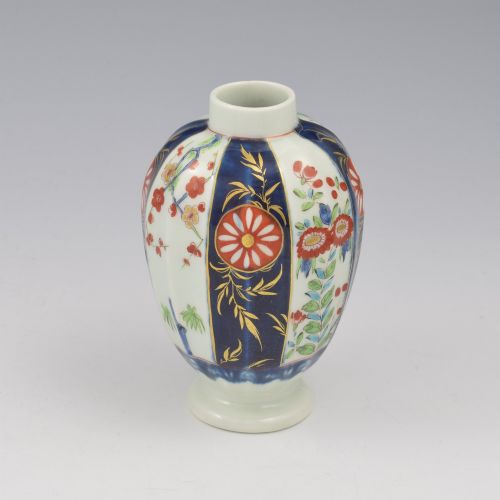
The aesthetic merges traditional cobalt blue decoration with white porcelain grounds, sometimes augmented by enamel and gold leaf. These items served as decorative centrepieces in grand interiors and continue to function as striking focal points today.
Materials and methods
Potters shaped fine ceramic paste and porcelain before applying cobalt glaze to achieve the characteristic deep blue tones under high kiln temperatures. Enamel colours and gold leaf were frequently added in subsequent low temperature firings to enrich the surface design.
English factories such as Masons utilised durable ironstone and stoneware to replicate these oriental motifs for the Victorian market. Hand painting remained central to the tradition, ensuring individual brushwork details across plates, chargers and vases.
Fish shaped plates and fan shaped dishes prove that historical potters enjoyed having fun with geometry.
Assessing craftsmanship
The distinction between standard domestic wares and top tier examples lies in the precision of the hand painted brushwork and the clarity of the cobalt glaze. Superior pieces exhibit crisp outlines and balanced compositions across complex shapes like octagonal plates and scalloped bowls.
The purity of the porcelain body and the successful control of kiln temperature during firing separate exceptional chargers and vases from routine production. Furthermore, unusual forms, such as fish shaped dishes or fan shaped pieces, represent higher tiers of artistic ambition.
Masons·John Ridgway·Dr Wall
The Blue and White Imari Glossary
- Imari
- A style of ceramic originating from the port of Imari in Japan, known for rich blue and white patterns. Many pieces were exported to Europe from the seventeenth century onward.
- Charger
- A large decorative plate intended for display on a sideboard or wall rather than for dining. These items often showcase the most elaborate painted scenes.
- Ironstone
- A patented ceramic material developed in nineteenth century England to provide a durable, dense alternative to porcelain. It readily accepted transfer printed and hand painted oriental designs.
- Jardardiniere
- A large ornamental pot or container designed to hold live plants or flowers. They frequently feature heavy potting and substantial decorative friezes.
- Cobalt glaze
- A metallic oxide pigment applied under the glaze to produce a deep, stable blue colour during high temperature firing. It remains the defining hue of this ceramic tradition.
Blue and White Imari: Frequently Asked Questions
What is blue and white imari?
Blue and white imari encompasses porcelain and ceramic vessels decorated with cobalt blue designs, originating primarily in Japan and later interpreted by English potteries.
The tradition includes plates, bowls, chargers and vases made for international export and local display over several centuries.
How were these pieces used?
Historical examples functioned as decorative table wares, serving dishes or prominent display items in wealthy households.
Large chargers and jardinieres were specifically placed on walls or stands to showcase status and artistic taste.
How do I live with antique ceramics?
These items integrate well into both traditional and modern interiors when placed securely on stable surfaces or mounted safely on walls.
Keep them away from direct sunlight and heavy foot traffic areas to protect their glaze and delicate edges.
How do I tell periods apart?
Differentiating periods relies on examining the weight of the ceramic body, the shade of the cobalt glaze and the style of the painted motifs.
Early pieces from the seventeenth and eighteenth centuries often display distinct potting techniques compared to later Meiji era or Victorian interpretations.