



Blonde Wood Mirror
A blonde wood mirror brings warm, pale grain and clear glass into a room, offering both practical reflection and understated nineteenth- or twentieth-century style.
Blonde Wood Mirror
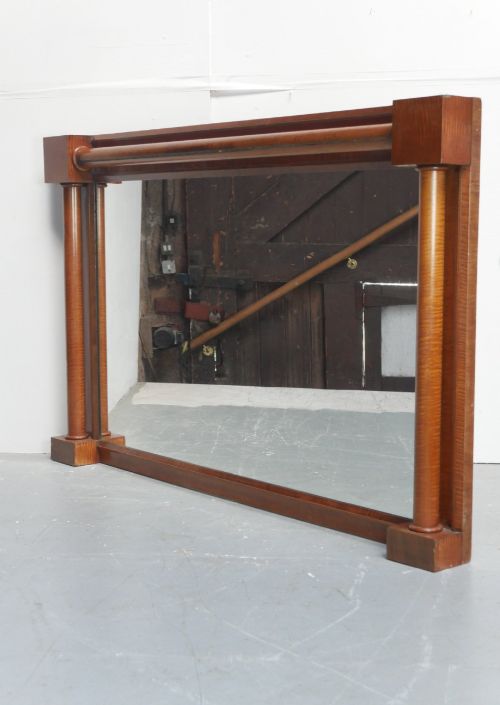
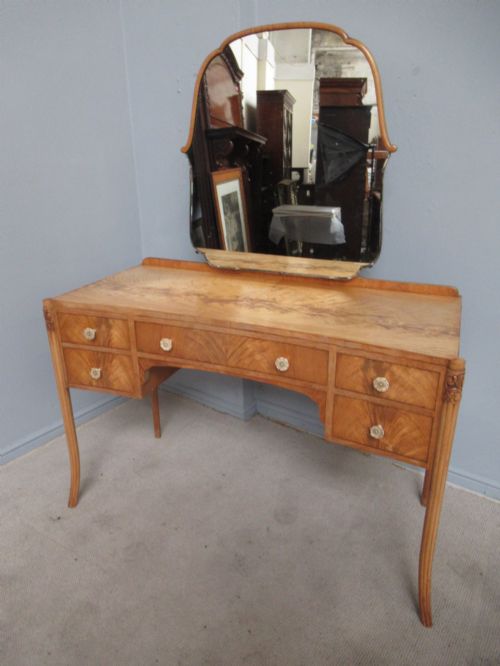
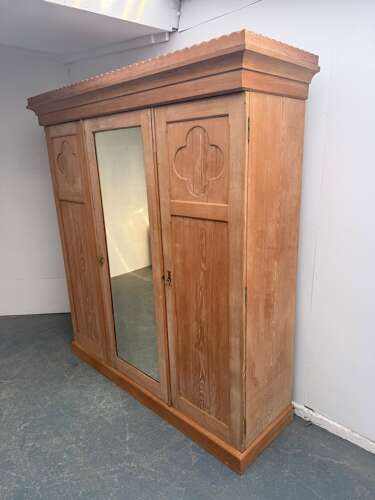
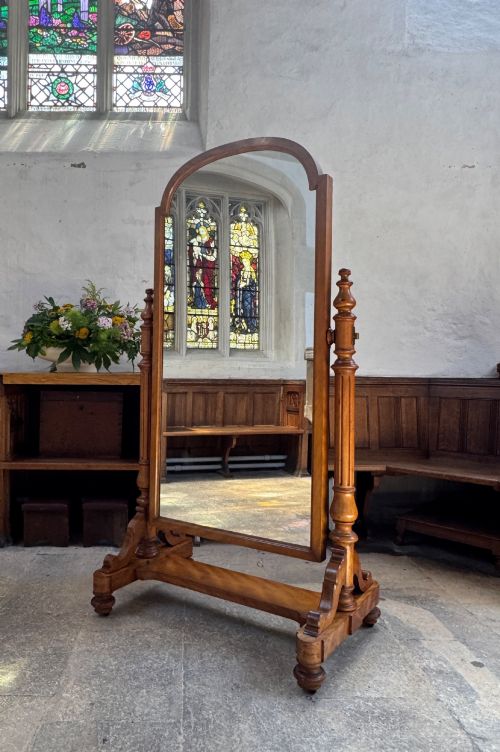
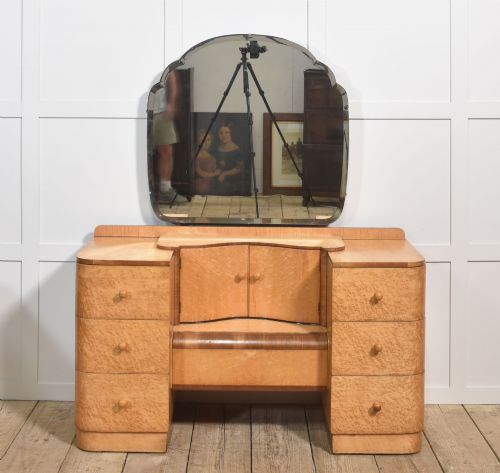
A blonde wood mirror appears across several forms in the listings, most frequently as part of a dressing table, a cheval mirror, or a wall-hung overmantel piece. These items span periods from the Victorian era through the Arts and Crafts movement and into Art Deco designs of the 1930s.
The lighter timbers give these mirrors a distinct appearance compared to darker mahogany or walnut alternatives, brightening hallways, bedrooms, and reception spaces. Buyers encounter frames built into larger furniture items or standing alone as dedicated looking glasses.
Originating from British workshops and continental makers alike, these mirrors reflect changing aesthetic preferences from ornate nineteenth-century carvings to the sleek geometry of the twentieth century.
What varies in quality
Quality rests upon the selection and matching of the timber veneers, where superior pieces display an even, striking grain pattern across the entire frame. The depth and clarity of the original mirror glass also dictate the standard of the piece.
Construction methods reveal the standard of manufacture, with tighter joinery and heavier brass mounts separating finer workshop output from simpler domestic furniture.
Birds-eye maple gets its charming spotty pattern from tiny knots in the tree that interrupted normal grain growth.
Maurice Adams·Harry and Lou Epstein·John Taylor of Edinburgh·Betty Joel
The Blonde Wood Mirror Glossary
- Birds eye maple
- A figure in maple wood resembling tiny swirling eyes, highly prized by cabinetmakers for decorative veneer work. It creates a distinctive speckled surface across dressing tables and wardrobes.
- Cheval mirror
- A full-length plate glass mirror suspended in a swivelling frame, allowing the user to tilt the glass. These freestanding items typically rest on four sturdy legs or feet.
- Overmantel mirror
- A large looking glass designed to hang or rest specifically on the mantelpiece above a fireplace. They frequently feature wide wooden frames to anchor the visual weight of a chimney breast.
- Satin birch
- A pale, lustrous timber with a fine grain that takes a high polish. Victorian and Aesthetic Movement makers utilised it to impart a luminous quality to furniture.
Blonde Wood Mirror: Frequently Asked Questions
How do I clean a vintage mirror frame?
Dust the blonde wood gently with a soft, dry cloth to prevent dirt accumulation in the grain. Avoid harsh chemical cleaners that can strip the historic polish or wax.
Use a separate cloth dampened slightly with water for the glass itself, taking care not to let moisture seep behind the wooden rebate.
Are these mirrors heavy to hang?
Many wall-hung examples possess substantial wooden frames and thick glass plates that require secure wall anchorages. Fixing directly into studs or using appropriate masonry plugs ensures safety.
Freestanding cheval and dressing table mirrors distribute their weight across their own floor stands or attached carcases, needing no wall support.
How can I date a blonde wood mirror?
Examine the style of the woodwork and the construction methods visible on the reverse of the frame. Victorian and Arts and Crafts pieces often show hand-cut joinery, while 1930s Art Deco items display streamlined geometric lines.
The silvering on the glass and the type of screws or fixings also offer clues to the period of manufacture.
Can I place one in a modern interior?
The neutral tones of pale maple and birch blend seamlessly with contemporary minimalist or Scandi-inspired decor. Their natural warmth softens stark white walls and complements modern textiles.
An Art Deco or Victorian mirror adds historical texture and a focal point to contemporary rooms without overwhelming the space.