

Blond Wood Desk
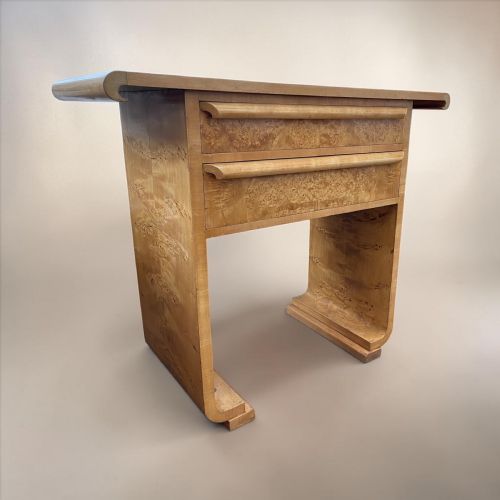
A blond wood desk brings light timber tones and striking grain patterns into a room, offering both practical workspace and timeless architectural presence.
Blond Wood Desk
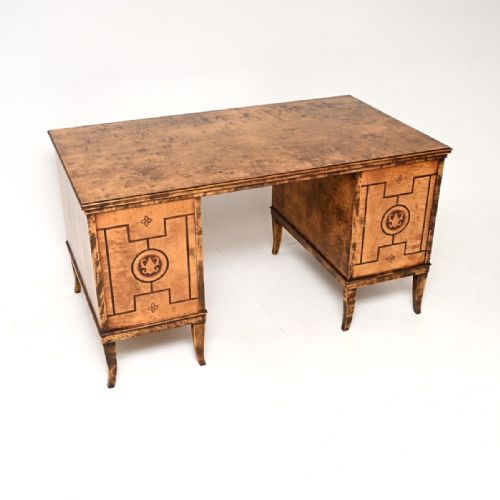
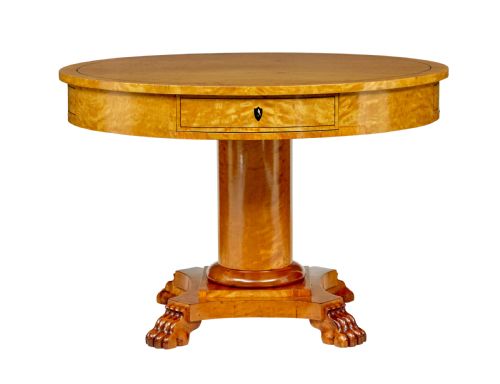
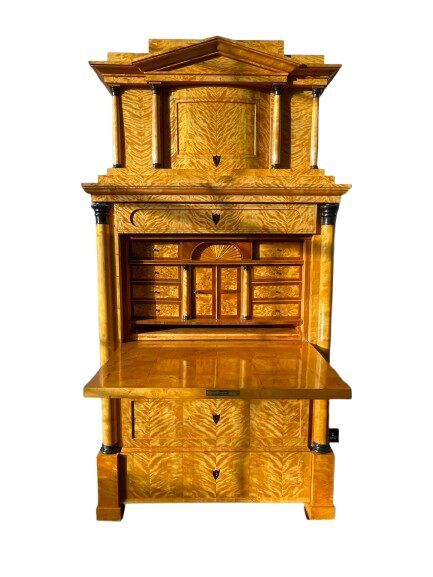
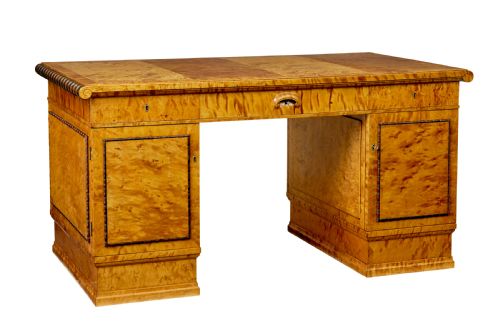
Geographic origins span Britain, France, and Scandinavia, introducing regional cabinetry traditions to the selection. Pieces built in Biedermeier and Swedish Grace styles sit alongside British Victorian and Art Deco iterations.
How they were made
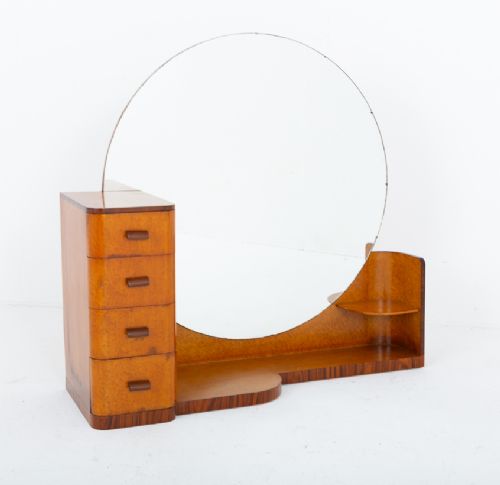
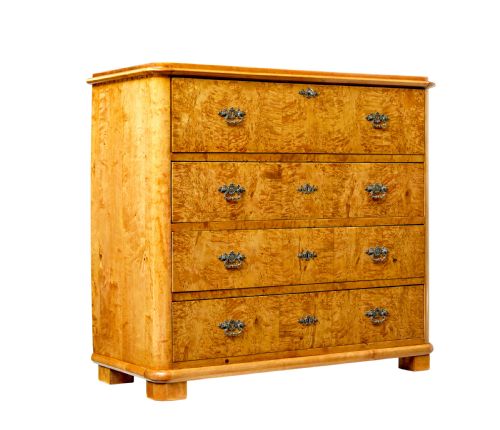
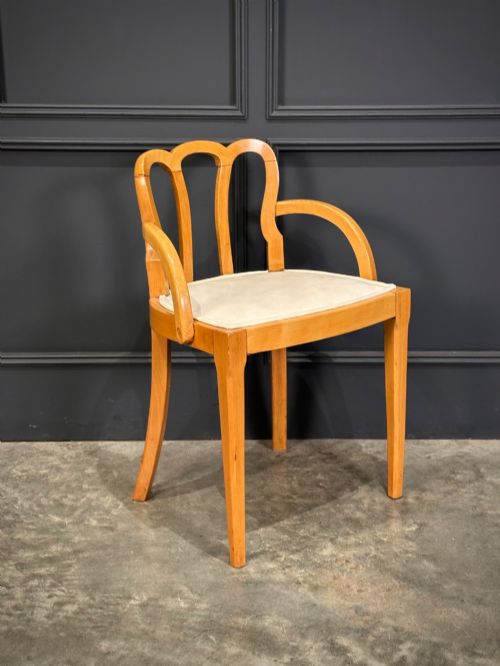
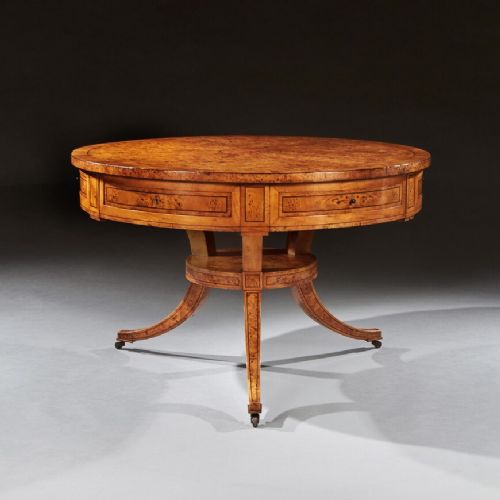
Cabinetmakers utilised specific light timbers for these pieces, predominantly employing satin birch, birdseye maple, satinwood, and burr birch. These woods were selected for their pronounced figuring and natural pale hue.
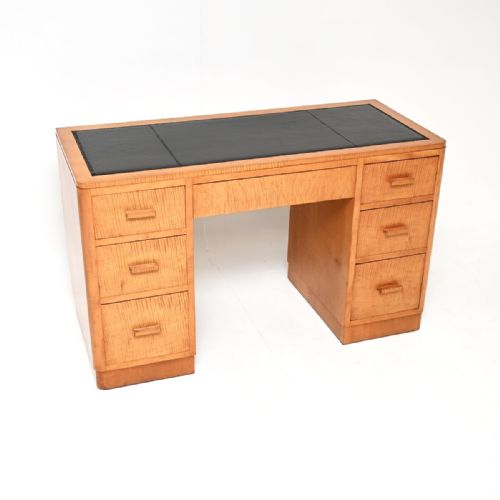
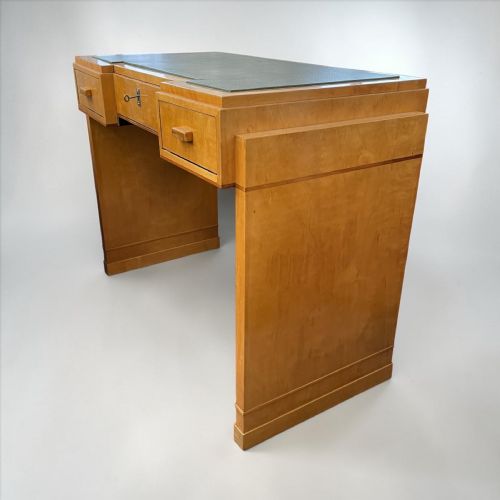
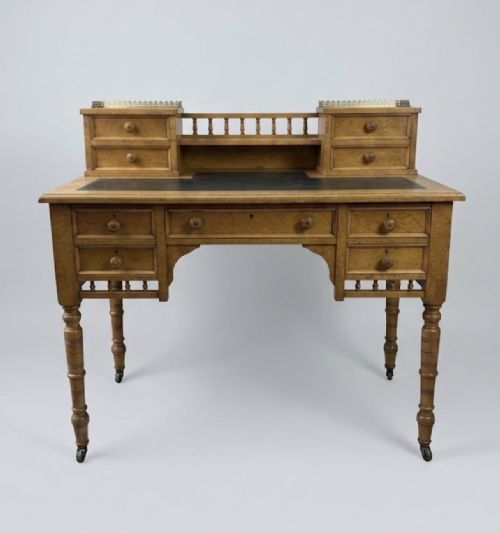
Construction techniques combine solid timber framing with decorative wood veneers applied to carcases. Many examples incorporate fitted leather writing surfaces, brass hardware, and glass elements to complete the form.
Listings feature blond wood furniture spanning from the Victorian era through the 1930s, highlighting satin birch, birdseye maple, and brass.
What varies in quality
Quality rests upon the selection and matching of wood veneers, particularly the consistency of figuring in birdseye maple or satin birch across large surfaces. Superior examples display thoughtful grain alignment across drawer fronts and tops.
Construction standards are evident in the execution of drawer joints and the integration of internal superstructures. Pieces associated with notable makers or specific retail houses often demonstrate greater refinement in proportion and detail.
Fortnum and Mason·Heal and Son·Heal·Hille·Gillows·John Taylor of Edinburgh·Betty Joel
The Blond Wood Desk Glossary
- Satin birch
- A pale, lustrous timber utilised extensively in Scandinavian and British cabinetmaking for its reflective grain. It provides the primary blond surface for many desks and dressing tables.
- Birdseye maple
- A figure in maple wood resembling tiny swirling eyes caused by local disruptions in the grain growth. This decorative veneer defines high-end Art Deco and 19th-century pieces.
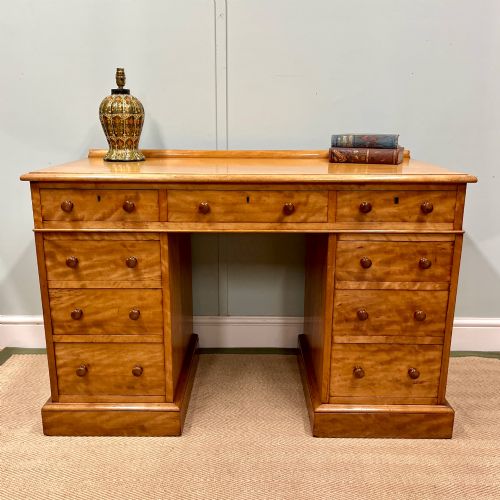
- Pedestal desk
- A heavy freestanding writing desk comprising two supporting pedestals of drawers beneath a desktop. It offers substantial storage flanking a central kneehole.
- Biedermeier
- A Central European style dating from the 19th century emphasising clean lines and utilitarian comfort over excessive ornamentation. It frequently employs native blond fruitwoods and birch.
- Superstructure
- An upper framework of small drawers, compartments, or shelves set upon the main working surface of a desk. It increases storage capacity while altering the silhouette.
Blond Wood Desk: Frequently Asked Questions
What defines a blond wood desk?
A blond wood desk is characterised by its pale timber construction, utilising woods such as satin birch, birdseye maple, and satinwood. These materials provide a light, reflective surface rather than the dark tones associated with traditional mahogany or walnut.
Such desks appear across various historic periods, most notably in 19th-century Scandinavian and British workshops as well as 1930s Art Deco design.
How do I identify Art Deco examples?
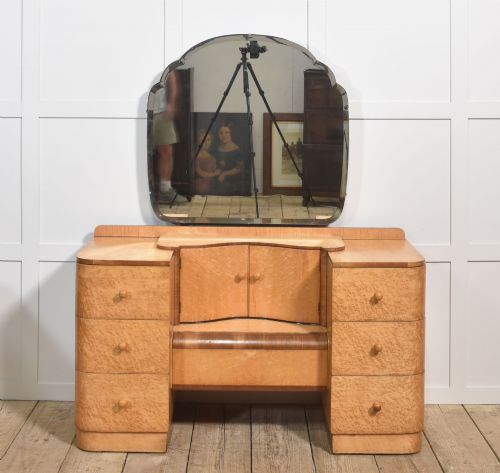
Art Deco desks from the 1930s typically feature streamlined geometric forms, smooth planes, and dramatic veneers like birdseye maple or satin birch. They often dispense with traditional ornamentation in favour of architectural silhouettes.
Makers from this era, such as Betty Joel or Harry and Lou Epstein, focused on the natural pattern of the wood grain as the primary decoration.
Where were these desks made?
The selection includes pieces originating from Britain, France, and Scandinavia. Swedish and broader Scandinavian workshops frequently utilised native birch to create clean forms seen in Biedermeier and neoclassical styles.
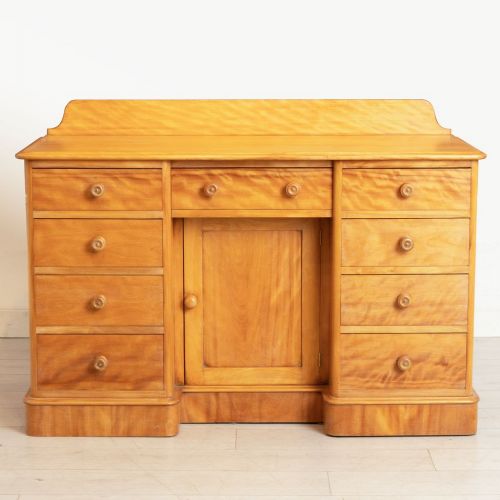
British makers, including Gillows and Heal and Son, applied similar pale timbers to Victorian kneehole desks and later modernist writing tables.
How should I care for satin birch surfaces?
Satin birch and maple veneers require protection from direct sunlight to prevent the blond tone from darkening or fading unevenly. Regular dusting with a soft, dry cloth maintains the finish without needing harsh polishes.
Leather writing inserts benefit from occasional conditioning to keep the material supple and prevent cracking across the working area.