





Swedish Style Desk
These pieces known as a swedish style desk offer clean lines and pale painted or timber finishes that brighten any working interior.
Swedish Style Desk
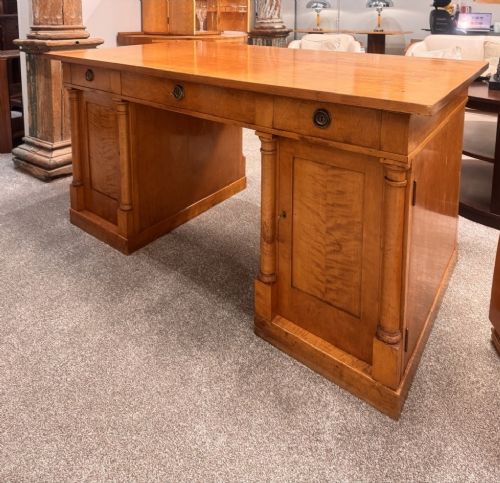
A swedish style desk encompasses writing tables, bureaus, and bureau bookcases originating across the nineteenth and early twentieth centuries. Buyers searching this term often discover items spanning simple rustic writing desks to revival satin birch forms.
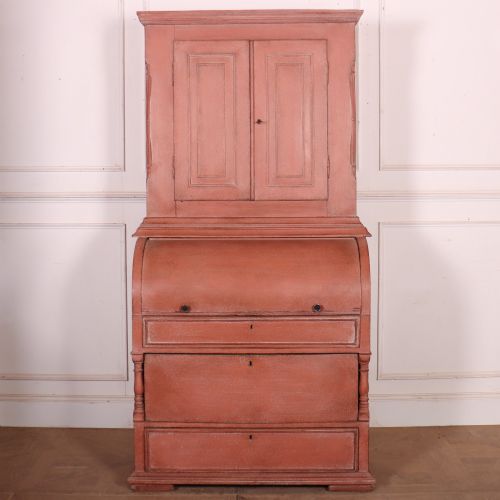
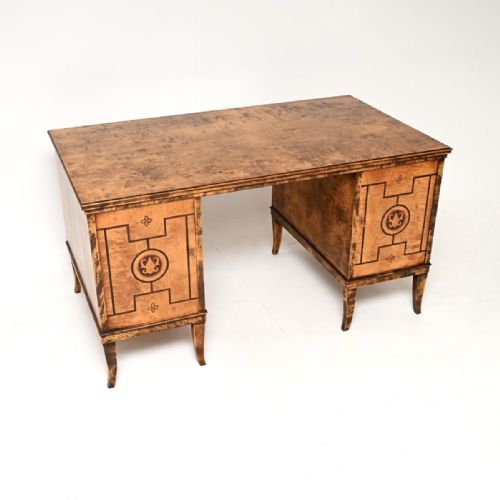
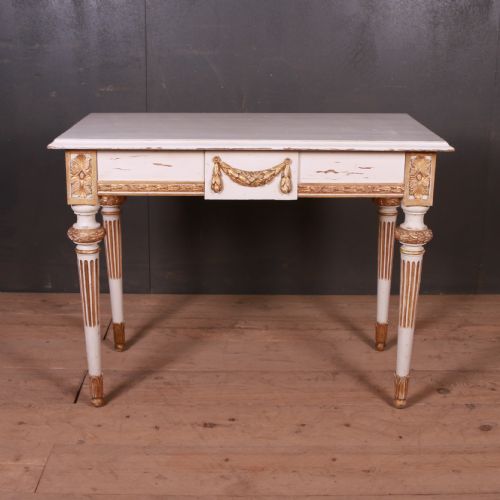
The nineteenth century yields the highest volume of painted pine side tables and writing desks, alongside robust bureau cabinets. Twentieth-century examples lean towards refined satin birch finishes representing revival movements.
Forms shift from straightforward writing surfaces to sophisticated cabinetry featuring fitted pigeonholes and bookshelves. Scandinavian country and Gustavian influences dominate the aesthetic profile of these listings.
How they were made
Pine and satin birch form the structural core of these desks, frequently enhanced by painted wooden surfaces or brass hardware. Artisans applied scraped paint techniques to pine to achieve distinctive patinated finishes.
Ebony inlay details appear on select satin birch writing surfaces, contrasting sharply with the pale surrounding timber. Construction methods rely on traditional cabinetmaking joints appropriate to nineteenth- and twentieth-century workshops.
Swedish Style Desk Retail Price Guide 2026
Typical asking prices for swedish style desk among the pieces listed under this phrase on Sellingantiques today, from the lower quarter to the upper quarter. They describe what is for sale here now, not the wider market.
Several pine tables arrive with layers of historic paint scraped back just enough to let previous decades peek through.
What varies in quality
The refinement of the timber selection dictates the upper tier of quality, particularly in satin birch pieces where grain patterns display striking depth. Painted pine versions depend upon the integrity of the original or scraped paint layers for their visual appeal.
Internal joinery and the complexity of fitted writing compartments separate standard utilitarian pieces from more ambitious bureau bookcases. Well-executed brass mounts and precise inlay work further distinguish superior examples.
The Swedish Style Desk Glossary
- Gustavian
- A neoclassical Swedish design style characterised by restrained symmetry and pale finishes. This aesthetic emerged during the reign of Gustav III and influences much nineteenth-century furniture.
- Satin Birch
- A dense timber with a lustrous, light-reflecting grain utilised in fine cabinetmaking. It provides a warm yellow tone frequently seen on revival desks.
- Bureau Cabinet
- A writing desk combined with upper shelving or enclosed bookcase storage behind doors. These multi-functional pieces offered practical storage for documents and books.
- Escritoire
- A dedicated writing cabinet featuring a sloping or folding writing surface. These items often incorporate internal drawers and compartments for correspondence.
- Scraped Paint
- A surface treatment where layers of historic paint are partially revealed through careful abrasion. This technique creates a textured, timeworn appearance highly valued in Scandinavian furniture.
Swedish Style Desk: Frequently Asked Questions
What materials define a swedish style desk?
Pine and satin birch serve as the primary woods utilised in constructing these pieces. Artisans frequently applied pale paint finishes or subtle brass hardware.
Ebony inlay also appears on select satin birch examples to create contrast.
How do I identify a gustavian influence?
Gustavian design relies on restrained neoclassical symmetry and light, neutral paint colours. This style brings a sense of proportion and brightness to interior spaces.
Pieces carrying this influence often feature fluted legs and understated carved details.
Are these desks suitable for daily work?
Many of these writing tables and bureau desks provide functional surfaces for modern workspace requirements. Internal compartments offer convenient storage for stationery and small items.
Buyers should check exact writing height dimensions against their seating preferences.
What periods do these listings cover?
The pieces span the nineteenth century up through the early twentieth century. Examples include nineteenth-century painted pine tables and 1920s revival satin birch pieces.
Each era contributes distinct characteristics ranging from rustic country to polished revival styles.