


Bleached French Furniture
Bleached French furniture brings a pale, stripped finish to traditional forms, offering a lighter palette for interiors while retaining historic character.
Bleached French Furniture
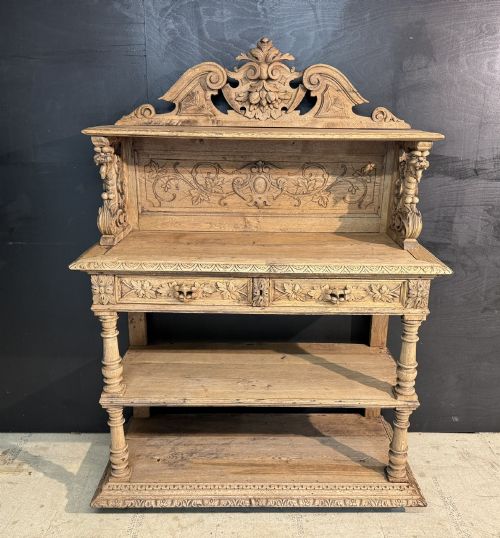
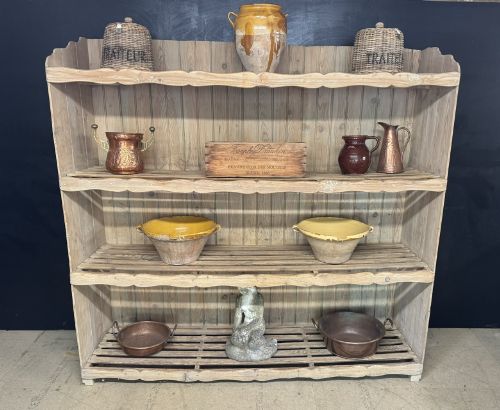
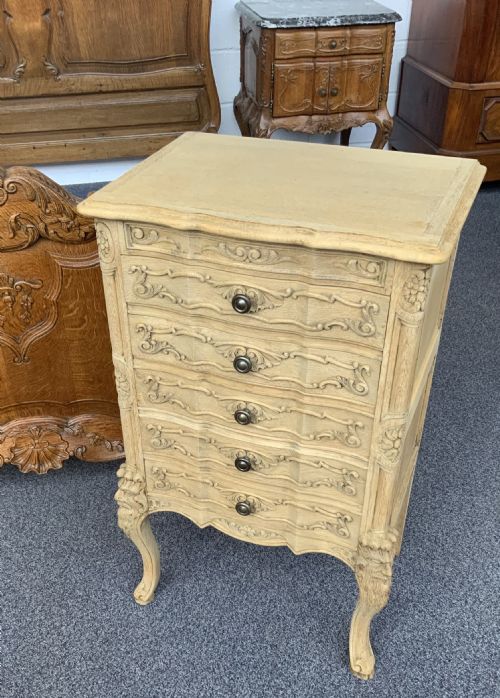
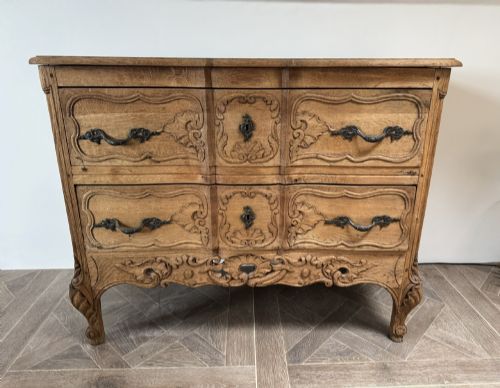
Bleached French furniture encompasses items shaped by provincial and chateau traditions, predominantly from the eighteenth and nineteenth centuries. These pieces arrive in forms such as commodes, chests of drawers, buffets, sideboards, larder cupboards, and trestle tables.
The aesthetic leans towards French Provincial, French Country, and Rustic European styles, often finished in bleached oak, bleached walnut, or limed oak. Buyers most frequently meet nineteenth-century oak commodes and chests within this selection.
Construction spans earlier regional pieces like Normandie larder cupboards to later nineteenth-century tables and settles. Each object displays the utilitarian or decorative intent of its original provincial workshop.
How these pieces were made
Construction relies heavily on solid timber, with oak, walnut, chestnut, and pine forming the structural carcasses and panels. Carpenters utilised traditional joinery methods suited to provincial workshops, building items intended for rigorous daily use.
Metal elements appear in brass and iron fittings, providing structural support and operational hardware for doors and drawers. Grey marble surfaces occasionally top commodes, adding a contrasting cool texture to the timber.
Listings feature oak, walnut, chestnut, and pine, alongside hardware in brass and iron, spanning the eighteenth and nineteenth centuries.
What varies in quality
Quality rests in the harmony of the proportions and the crispness of any carved decoration on the timber. Pieces with confident serpentine fronts or balanced proportions display superior design integrity compared to simpler utilitarian versions.
The depth and consistency of the bleached finish affect the visual success of the piece, as does the preservation of the original hardware. Timber that retains a natural grain texture under the lighter tone represents better material handling.
The Bleached French Furniture Glossary
- Commode
- A low chest of drawers or cabinet, frequently fitted with multiple drawers and associated with French bedroom or salon use. Eighteenth and nineteenth-century examples often feature serpentine fronts.
- Limed oak
- Timber treated with a specialised finish that leaves a whitish pigment in the pores of the wood. This process accentuates the grain pattern while lightening the overall tone.
- Trestle table
- A table consisting of two or more support frames connected by a horizontal beam, commonly found in provincial dining environments. These provide sturdy surfaces for communal use.
- Serpentine
- A shape characterised by a undulating front edge with alternating convex and concave curves. This contour requires skilled carpentry to execute successfully.
- Settle
- A wooden bench with high back and solid arms, often featuring enclosed storage beneath the seat. They were designed to block drafts in older rural properties.
Bleached French Furniture: Frequently Asked Questions
What defines bleached French furniture?
These pieces originate from provincial and regional workshops in France, dating mainly from the eighteenth and nineteenth centuries. They feature traditional forms like commodes, buffets, and tables stripped to a lighter oak or walnut finish.
Such items merge rustic utility with decorative carving, offering a softer aesthetic than dark, unstripped antique wood. The focus remains on regional craftsmanship and durable timber construction.
How do I date a piece?
Dating relies on observing construction details, timber selection, and stylistic markers recorded across the eighteenth and nineteenth centuries. Earlier pieces often display hand- cut joinery and heavier provincial proportions, while later examples incorporate specific regional quirks.
Cabinetry hardware, drawer construction, and surface wear also help establish the era of manufacture. Comparing the silhouette against known provincial styles aids accurate placement within the timeline.
Where were these pieces used?
Items such as larder cupboards, commodes, and trestle tables served practical functions in French country houses, chateaux, and provincial kitchens. They accommodated storage needs for food, linens, and domestic goods.
Dining spaces, bedrooms, and halls housed these functional forms, which were built to endure generations of household activity. Their robust construction suited both working agricultural settings and refined domestic interiors.
How do I live with bleached oak?
Bleached oak pieces integrate easily into modern interiors due to their neutral, pale tones and textured grain. They anchor a room without overwhelming surrounding colours, pairing well with both contemporary and traditional decor.
Maintenance involves basic dusting and protection from excessive moisture or direct heat sources. The durable nature of the timber allows these functional antiques to withstand daily domestic life.