
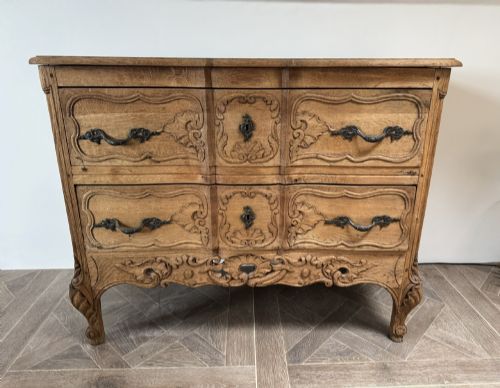


Bleached Wood Dresser
A bleached wood dresser brings a quiet, pale warmth to a room through centuries of skilled cabinet work.
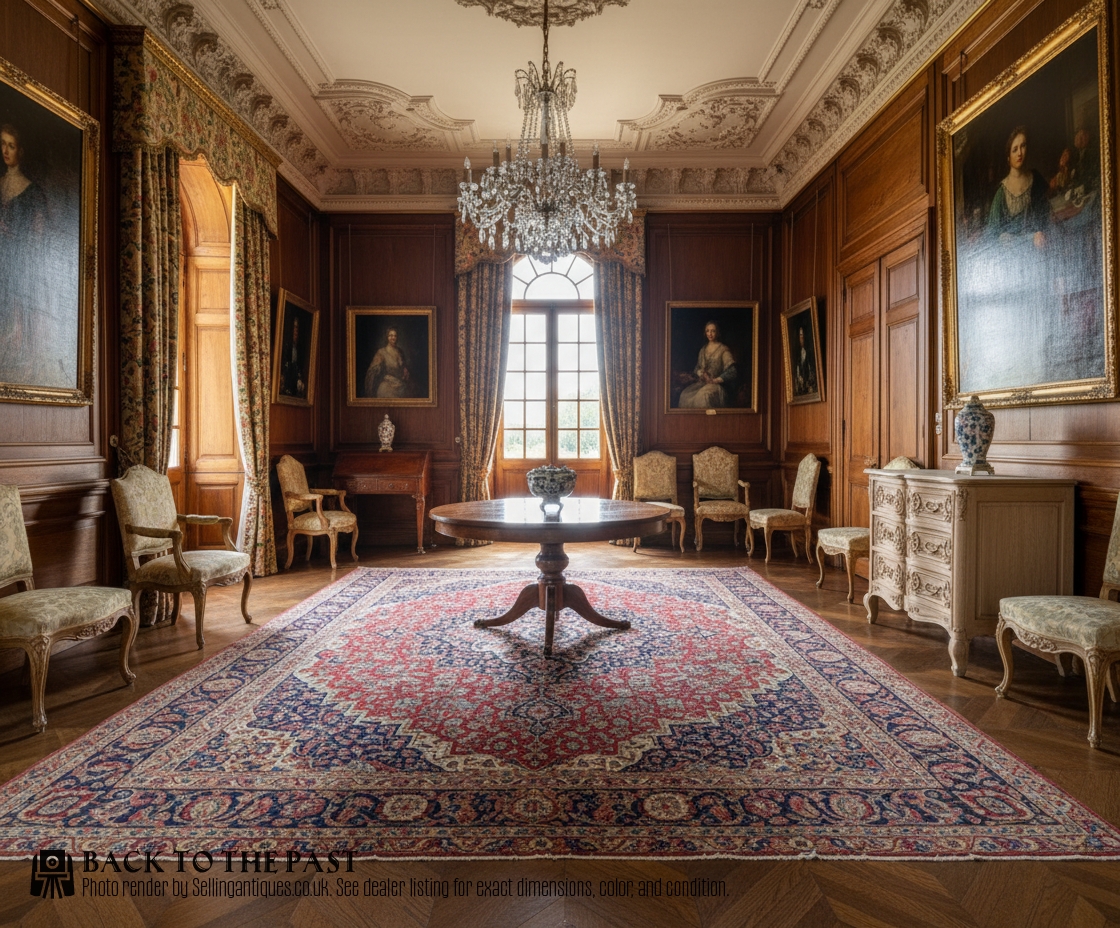
Bleached Wood Dresser
When you search for a bleached wood dresser, you encounter heavy timber storage forms shaped by French Provincial, English Country, Italian Neoclassical, Georgian, and Queen Anne traditions. These pieces span the eighteenth and nineteenth centuries into the early twentieth century, presenting as commodes, chests of drawers, dresser bases, and potboard dressers.
You are most likely to meet French commodes and English country pieces finished in pale tones of bleached oak, limed oak, scrubbed oak, or bleached walnut. The forms range from serpentine fronts and potboard bases to functional chests of drawers suited for modern interiors.
How they were made
Cabinet makers built these pieces primarily from solid oak and walnut, incorporating brass and iron hardware for handles and structural fastenings. Paint finishes were also applied historically before timber surfaces were stripped, scrubbed, or chemically treated to achieve the pale aesthetic seen today.
Construction relies on traditional joinery methods that support heavy timber frames, carved panels, and serpentine drawer fronts. The surfaces show the physical grain of the wood exposed through careful finishing techniques rather than heavy modern lacquers.
Some scrubbed oak commodes retain the faint scent of old workshops and decades of honest kitchen work.
What varies in quality
Quality rests in the harmony of the proportions and the depth of the timber grain rather than any single decorative flourish. Pieces with crisp carving and well-balanced serpentine fronts demonstrate superior workmanship by the original maker.
The integrity of the structural timber and the subtlety of the pale finish dictate the distinction between standard items and finer examples. Historical surface treatments that respect the age of the wood carry greater visual weight than heavy-handed modern interventions.
The Bleached Wood Dresser Glossary
- Commode
- A low chest of drawers or cabinet originating in France during the eighteenth century. These pieces often feature decorative hardware and serpentine drawer fronts.
- Potboard Dresser
- A traditional base unit featuring an open lower shelf designed for displaying domestic vessels. This form is common in English country vernacular furniture.
- Serpentine
- A shape characterised by a undulating front line that curves inward and outward in a continuous sweep. It demands precise carpentry to execute properly on solid timber drawers.
- Limed Oak
- Oak timber treated with a white pigment or lime compound to highlight the open grain. This technique creates a pale, textured finish popular in historic and twentieth-century pieces.
Bleached Wood Dresser: Frequently Asked Questions
Where did these dressers originate?
These pieces originate from various European traditions, with French, English, and Italian workshops producing the majority of surviving examples.
Makers utilised regional timbers and local stylistic preferences, leading to distinct regional forms like the French commode or the English potboard base.
Can I use a commode as a sideboard?
These storage pieces adapt well to modern living spaces, serving effectively as sideboards in dining rooms or living areas.
Their substantial timber construction and drawer capacity provide practical utility alongside historical character.
How do I distinguish eighteenth-century pieces?
Eighteenth-century examples display hand-cut joinery, period-appropriate timber shrinkage, and traditional hardware attachments.
Comparing the internal drawer construction and timber patination helps identify the earlier periods from nineteenth-century revivals.