


Blanket Box Storage
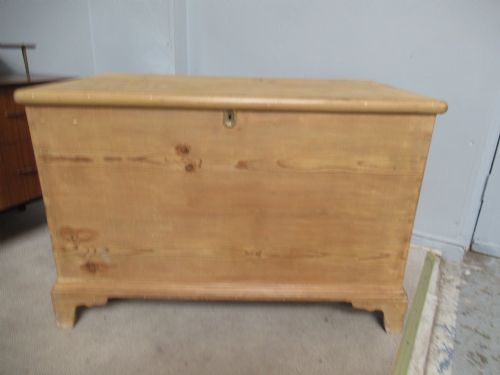
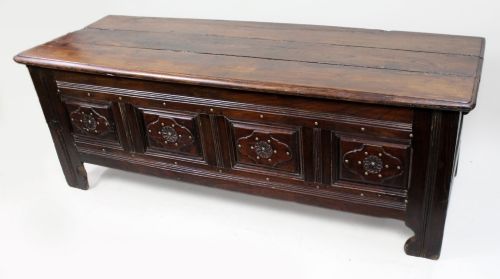
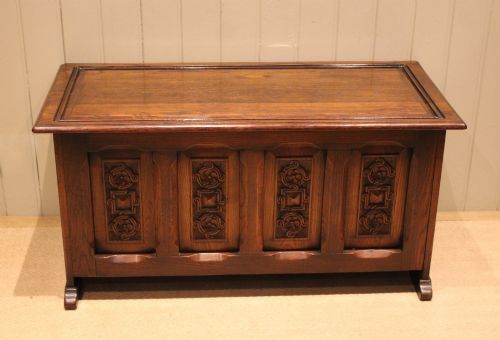
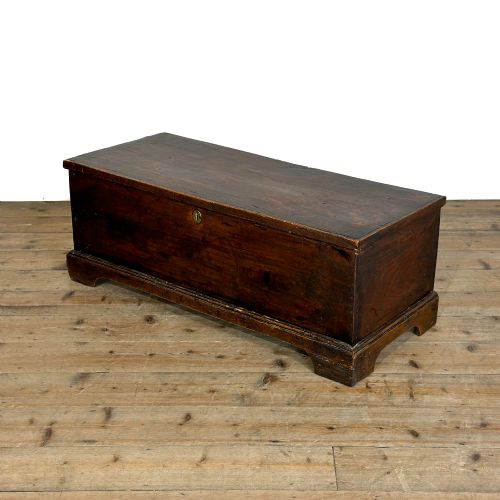
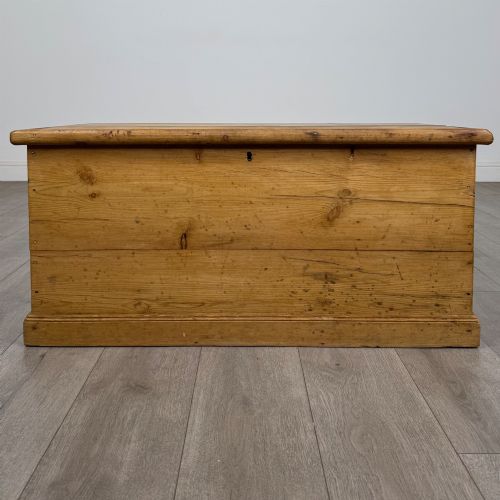
When you search for blanket box storage, you encounter heavy wooden coffers, travelling campaign chests and domestic pine boxes built to hold textiles safely.
Blanket Box Storage
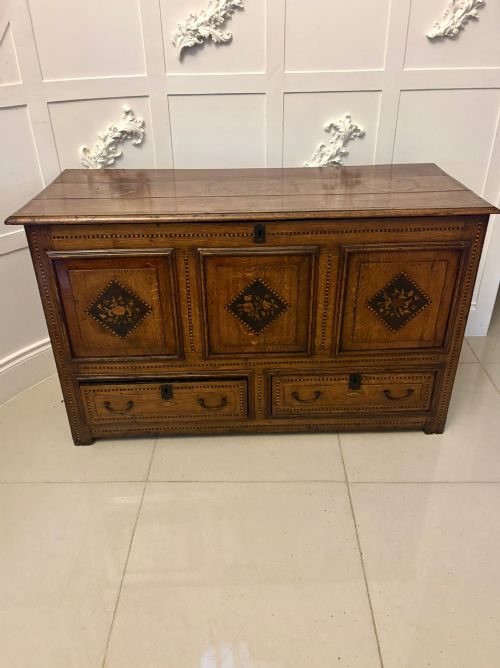
Blanket box storage encompasses domestic coffers, mule chests, campaign trunks and simple pine boxes designed to protect linens and woollens.
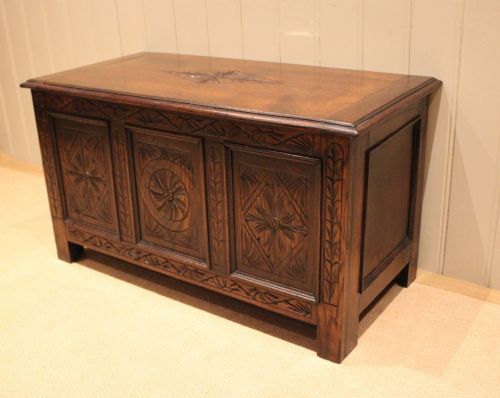
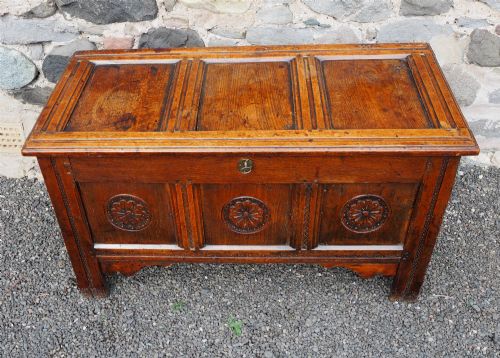
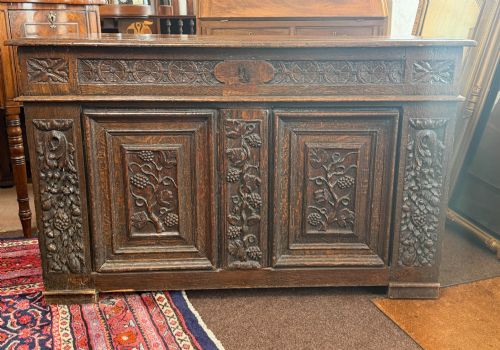
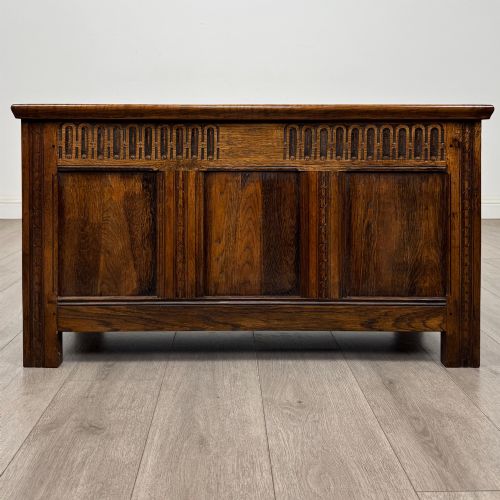
The heaviest examples stem from the seventeenth and eighteenth centuries, shaped from solid oak with panelled construction and occasional carved fronts.
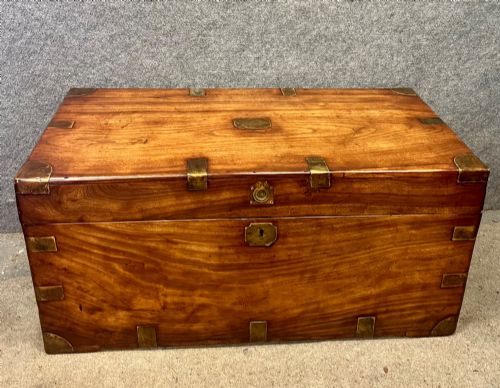
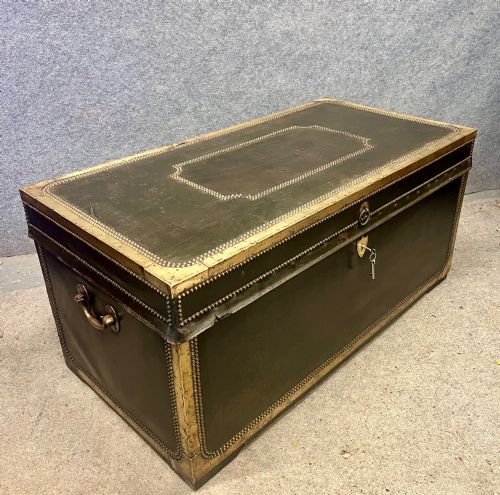
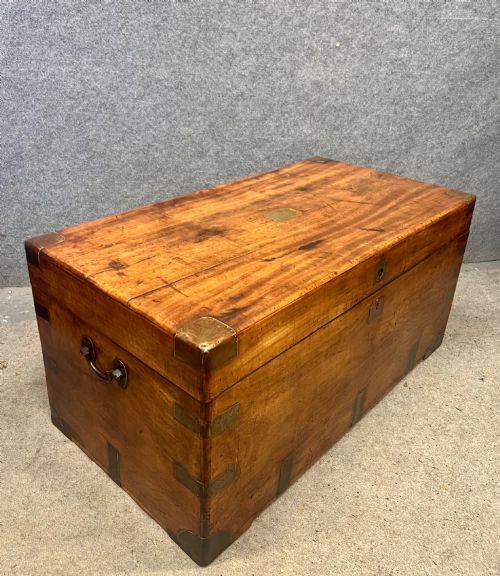
Nineteenth-century variations lean towards utilitarian pine trunks, travel chests reinforced with brass and iron, and camphor wood trunks brought back from trade routes.
Materials and construction methods
Carpenters relied principally on native timber such as oak, elm and pine, joined by pegged mortise and tenon joints in earlier centuries and sturdy dovetails in later boxes.
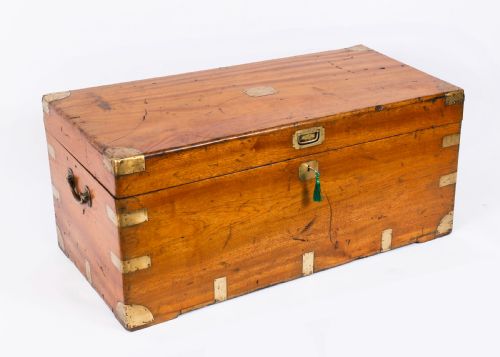
Campaign and trade trunks utilised exotic woods like camphor and padouk, selected for insect resistance, and were armoured with brass corners, strapwork and iron handles for transit.
Listings feature blanket box storage spanning from the seventeenth century through the Victorian era into the early twentieth century, utilising oak, pine, elm and camphor wood.
Distinctions in craftsmanship
Superior pieces display depth and precision in their carving, crisp joinery that survives centuries without excessive rebuilding, and original hardware.
Lesser or heavily restored examples suffer from replaced floorboards, stripped and bleached surfaces that remove historic patina, or mismatched ironmongery.
Samuel Pratt
The Blanket Box Storage Glossary
- Coffer
- A heavy wooden chest, typically constructed from oak, used historically for storing valuables and textiles.
- Mule chest
- A regional storage chest featuring one or more drawers beneath the main lift-top compartment.
- Campaign trunk
- A portable storage chest made in sections or with robust brass mounts for military officers travelling on duty.
- Six-plank coffer
- A primitive chest formed from six simple boards joined at the edges, representing early domestic storage.
- Marquetry
- The art of applying decorative veneer pieces in wood to form intricate patterns on a box surface.
Blanket Box Storage: Frequently Asked Questions
What were blanket boxes originally used for?
These chests served primarily to protect valuable household woollens, linens and blankets from moths, damp and dust in eras before fitted wardrobes.
They also doubled as seating benches or travelling luggage for officers and merchants on long journeys.
How do I date an antique oak coffer?
Dating relies upon examining the construction marks, tool work, hinge types and timber shrinkage patterns visible across the panels and lid.
Early seventeenth-century pieces generally show hand-split boards and pegged joinery, whereas later revival or nineteenth-century boxes display mechanical sawing.
Are camphor wood chests safe for modern textiles?
Camphor wood naturally emits aromatic oils that deter insects, making these trunks historically ideal for storing sensitive wool and cotton blankets.
Many collectors continue to use them for this purpose, though the distinct scent will transfer slightly to the stored fabrics.
How do I fit a blanket box into a modern room?
These chests function effectively at the foot of a bed, doubling as a surface for cushions or extra throws while concealing clutter inside.
Smaller pine or camphor trunks also serve as coffee tables in living spaces, providing concealed storage for everyday items.