

Black Wooden Statue
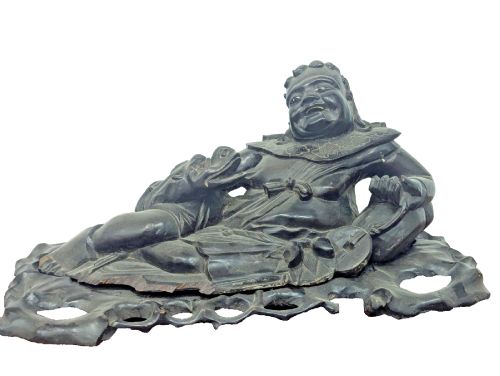
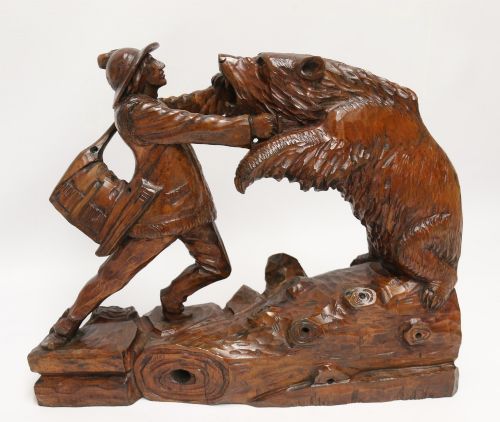
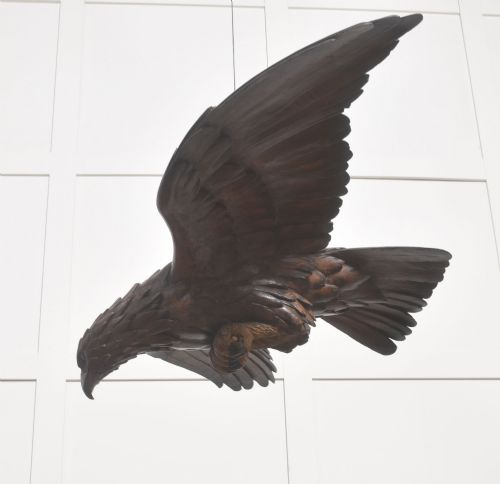
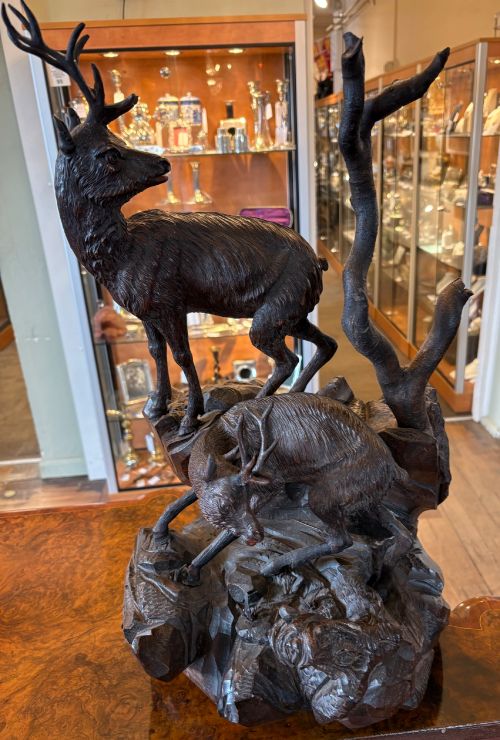
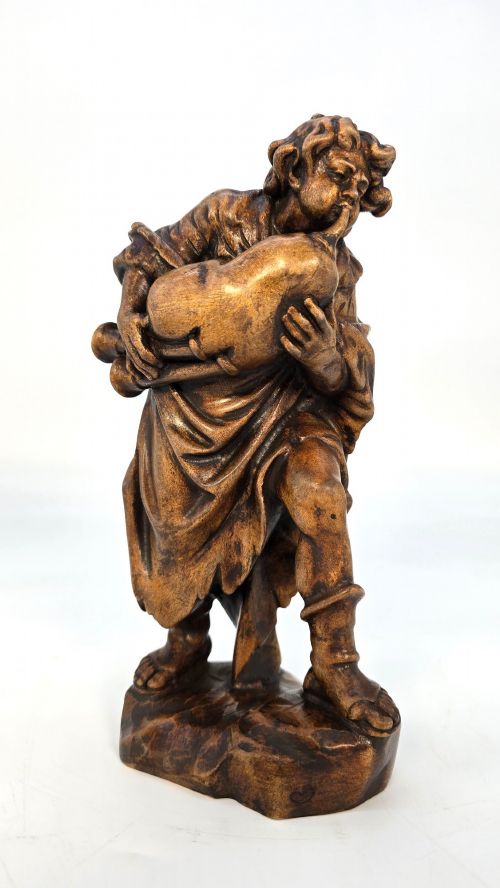
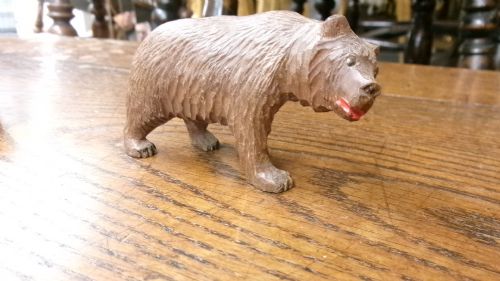
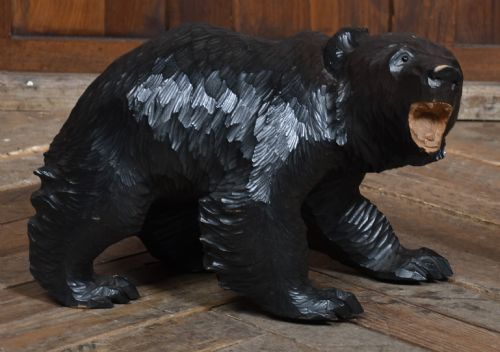
A black wooden statue brings expressive animal studies and figurative groups into a room, shaped through distinct regional carving traditions.
Black Wooden Statue
A black wooden statue encompasses regional figurative carvings, animal studies, and folk art objects predominantly produced during the nineteenth and early twentieth centuries. These pieces reflect specific carving centres, notably the Swiss Black Forest workshops, alongside African tribal art, Asian export pieces, and European folk traditions.
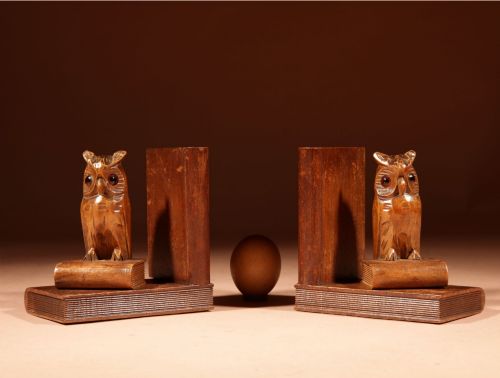
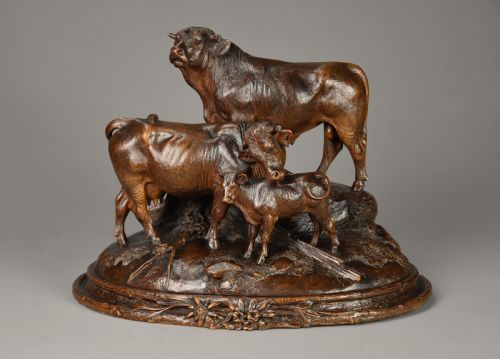
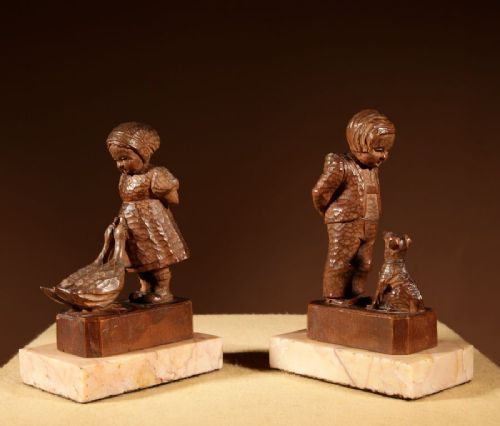
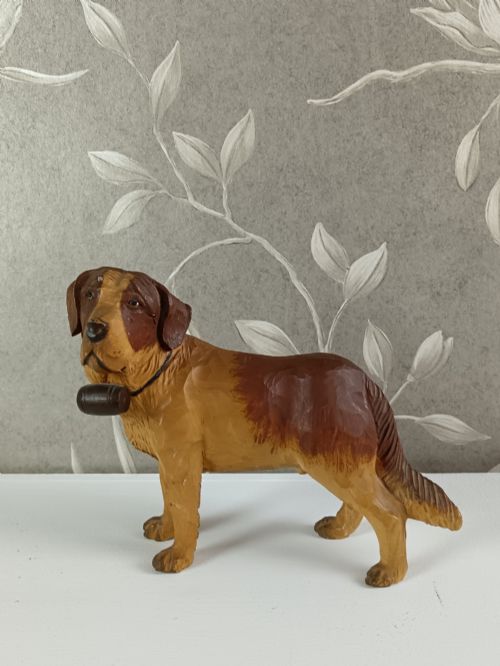
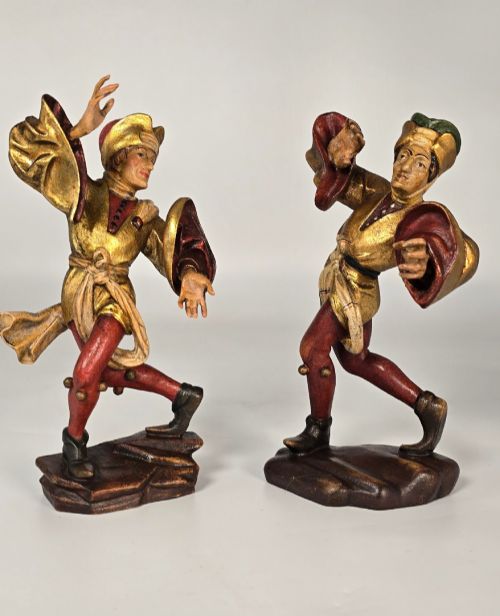
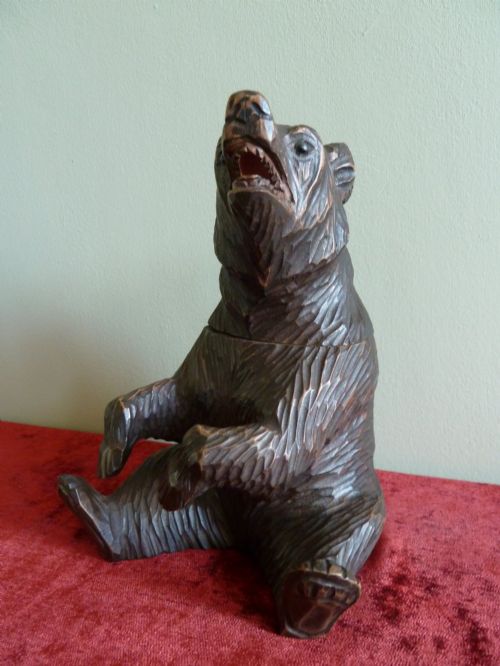
The buyer meets numerous variations on this page, ranging from domestic animals like bears, deer, and dogs to human figures, literary characters, and religious guardians. Forms vary from small tabletop figurines and bookends to substantial sculptural groups and lamp bases.
Materials and carving techniques
Carvers shaped these objects primarily from regional timbers such as linden wood, limewood, walnut, oak, and general hardwood, selecting each log for its grain and density. Artisans utilised traditional hand gouges, chisels, and knives to develop deep relief and three-dimensional forms.
Surfaces received various treatments, including dark staining, ebonising, polishing, or polychrome decoration, occasionally accented with gold leaf. Certain makers applied glass eyes or metal stud details to heighten the realism of animal studies.
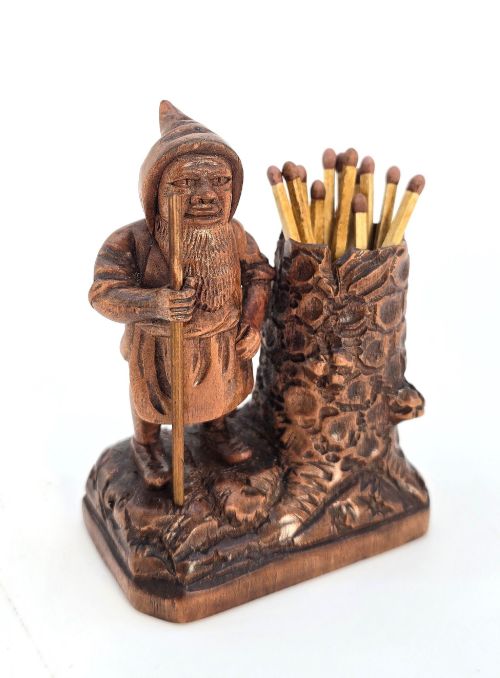
Several bears hold pipes or tobacco, while gnomes and match strikers keep watch over household desks.
Distinctions in execution
Quality rests upon the anatomical accuracy and expressive depth achieved by the carver, where master workshops distinguished themselves through lifelike textures in fur, fabric, and muscle. Finer examples display confident proportions and careful detailing that avoid stiffness in human and animal subjects.
The presence of signatures, maker stamps, or documented workshop attributions elevates certain carvings above anonymous production pieces. Selection of sound timber without excessive splitting or clumsy restoration further separates standard objects from superior specimens.
Eugene Emile Borga·Guido Cacciapuoti
The Black Wooden Statue Glossary
- Black Forest
- A style of wood carving originating from the Brienz region of Switzerland and the adjacent German mountains, known for detailed animal and human figures.
- Limewood
- A pale timber commonly utilised by European carvers for its fine, even grain, which permits intricate undercut details without splintering.
- Byeri
- A reliquary guardian figure associated with the Fang people of Gabon, traditionally placed above containers holding ancestral skeletal remains.
- Foo Dog
- A traditional Chinese guardian lion sculpture, often carved in pairs to protect doorways or sacred spaces.
- Ebonisation
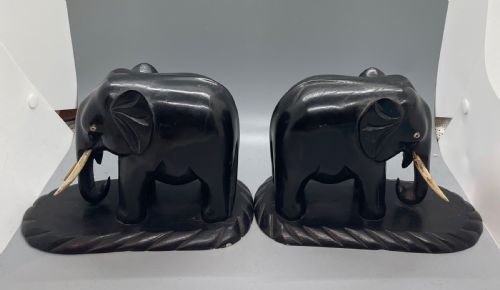
- A chemical or pigmented finishing process applied to lighter timber to imitate the dense, dark appearance of ebony.
Black Wooden Statue: Frequently Asked Questions
How do I identify Black Forest carvings?
Black Forest carvings are identified by their characteristic regional subjects, such as bears, deer, and alpine figures, rendered in limewood or walnut. They often date from the nineteenth or early twentieth centuries and originate from Swiss or German workshops.
Many pieces display a rich dark finish, realistic glass eyes, and dynamic poses depicting animals in motion or human figures in traditional dress.
What wood types were used?
Carvers utilised a variety of timbers depending on local availability and the required level of detail. Linden wood, limewood, and walnut appear frequently in European figures due to their receptive grain.
Other items employ general hardwoods, oak, or dense exotic woods like ebony for African and Asian regional sculptures.
How should I care for wooden statues?
Keep wooden sculptures away from direct heat sources and strong sunlight to prevent the timber from drying out and splitting. Maintain a stable indoor environment with moderate humidity levels.
Dust the surface gently with a soft, dry brush and avoid applying modern polishes or cleaning agents that might damage the original finish.
Are these figures signed?
Certain pieces bear maker stamps, signatures, or workshop marks carved directly into the base or applied to the surface. These signatures help attribute works to specific Swiss or European carvers.
However, a large proportion of regional folk art and tribal carvings remain unsigned by their original makers.