
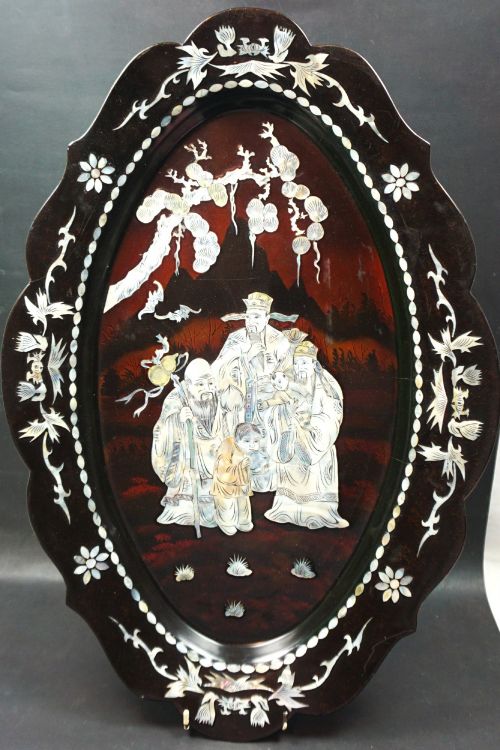


Black Wood Tray
A black wood tray brings deep, dark tones and functional elegance to a room, offering rich textures from the Victorian era down to the nineteen-twenties.
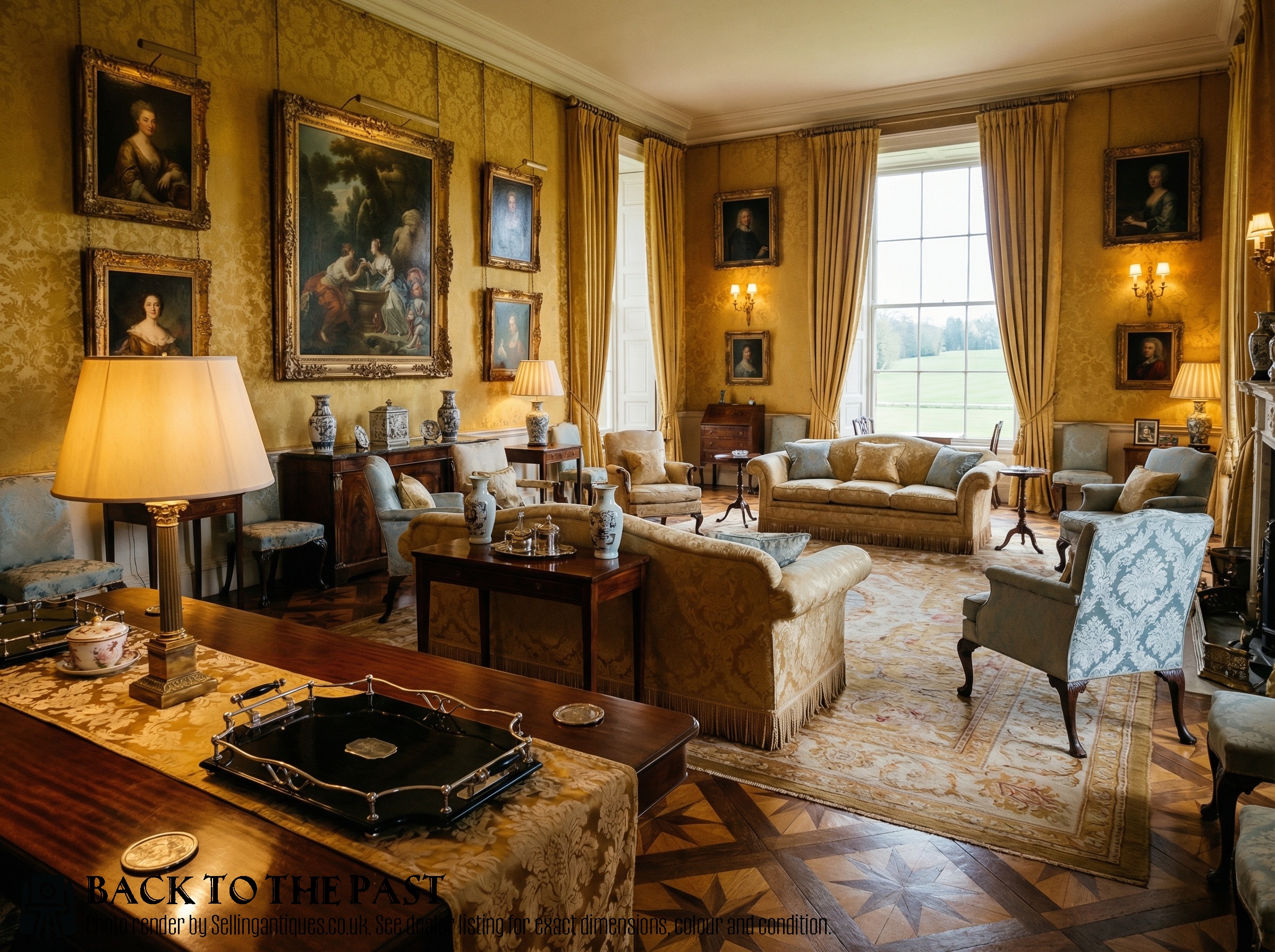
Black Wood Tray
A black wood tray encompasses a diverse range of dark-toned serving vessels, desk accessories, and decorative items spanning the nineteenth and early twentieth centuries. When searching for a black wood tray, a buyer encounters pieces shaped by various global traditions, including intricate Black Forest carvings and glossy East Asian lacquer work.
The selection on this page leans heavily towards ebonised and lacquered wooden pieces, alongside carved items from the Victorian and Edwardian periods. Desk organisers, inkstands, and serving trays dominate the forms, reflecting how dark wood and ebonisation were utilised for both utility and display.
Origins stretch from English workshops to Scandinavian country pieces, Chinese Qing dynasty platters, and Japanese plaques. This geographical spread means buyers find everything from rustic pine to refined silver-plated gallery trays with scalloped edges.
How they were made
Craftsmen achieved the signature dark surfaces of a black wood tray through ebonising timber, applying dark lacquer, or carving solid wood such as pine and ebony. Ebonising involved treating common woods to mimic the deep black finish of expensive ebony.
Surface decoration frequently incorporated hand painting, mother of pearl inlay, and detailed hand carving depicting animals and natural scenes. Metal elements such as brass fittings, silver plate galleries, and inset mirrors added structural contrast and functional utility to the wooden bases.
Materials in these listings include glass, ebonised wood, carved wood, lacquer, paint, silver, and brass across multiple eras.
What varies in quality
Quality in these dark wooden pieces rests upon the crispness of the carving and the durability of the ebonised or lacquered finish. Finer examples display meticulous hand-cut details in wood or precise inlay work that remains flush with the surface.
The integrity of the construction, from the joinery of desk accessories to the preservation of painted lacquer, dictates the distinction between standard utilitarian items and superior decorative works.
The Black Wood Tray Glossary
- Ebonised Wood
- Timber treated with stain or paint to imitate the dark, dense appearance of genuine ebony. This technique was popular in Victorian furniture and desk accessories.
- Lacquer
- A durable resin finish applied in multiple layers to wood, often associated with Asian decorative arts. It creates a smooth, glossy surface that protects the material beneath.
- Black Forest
- A nineteenth-century style of intricate wood carving originating from the German region, typically featuring realistic animals and foliage. Bears and cats frequently appear in these carved desk items.
- Gallery Tray
- A tray bordered by a raised pierced metal or wooden rim designed to keep items from sliding off. Silver plate was often utilised for these decorative edges.
- Valet Set
- A collection of matching grooming or dressing accessories arranged on a tray, often incorporating a mirror and brushes. These date commonly to the Edwardian period.
Black Wood Tray: Frequently Asked Questions
What periods do these trays come from?
The pieces span from the mid-nineteenth century through to the nineteen-twenties, covering late Victorian, Edwardian, and George V eras.
Craftsmanship during these decades shifted from rustic country pine boxes to polished ebonised desk sets and oriental lacquer work.
How do I care for ebonised wood?
Keep dark wooden surfaces away from direct sunlight and excessive moisture to prevent the finish from fading or cracking.
Dust gently with a soft, dry cloth rather than using heavy chemical polishes that can damage the antique surface.
What is the difference between lacquer and ebonisation?
Ebonisation is a chemical or pigment treatment applied to timber to darken the natural grain, whereas lacquer is a glossy resin coating built up in layers.
Lacquered pieces often feature Asian origins with smooth, reflective surfaces, while ebonised items retain more visible wood texture.
Where were Black Forest carvings made?
These decorative carved wooden items originated primarily in the mountainous regions of central Europe during the nineteenth century.
Local artisans specialised in realistic animal sculptures incorporated into inkstands, trays, and boxes.