
Black Wood Framed Artwork
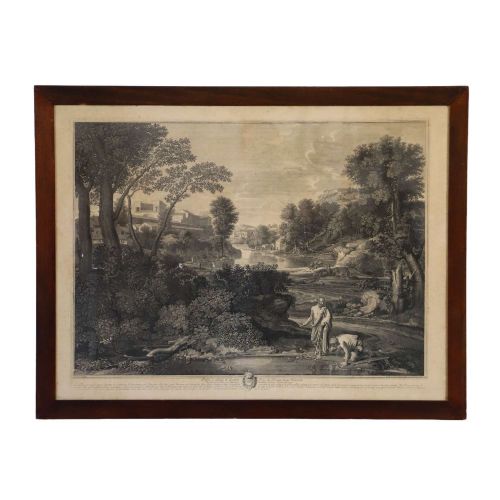
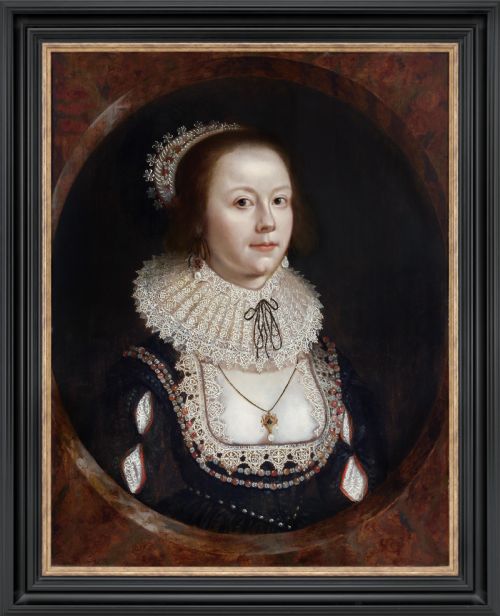
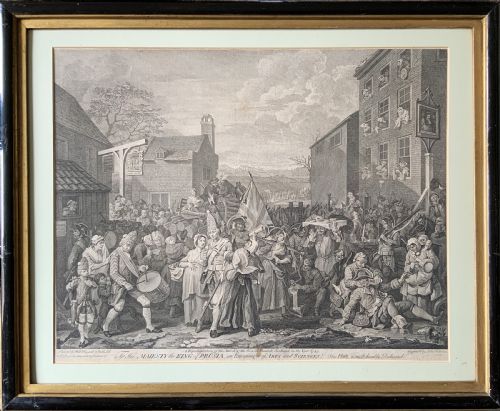
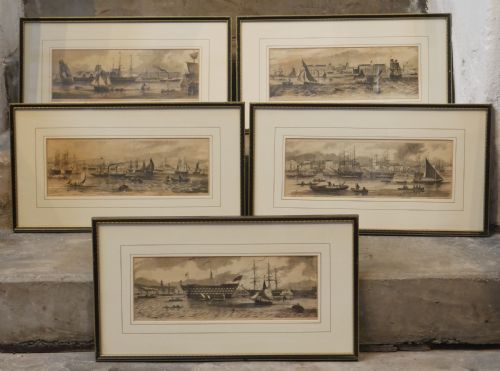
These black wood framed artwork selections span centuries of portraits, landscapes, and engravings housed within period timber enclosures.
Black Wood Framed Artwork
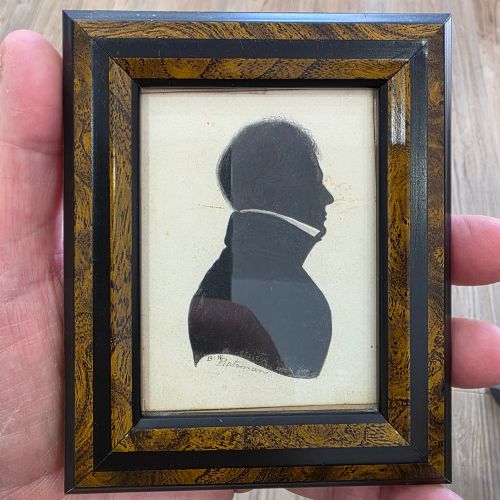
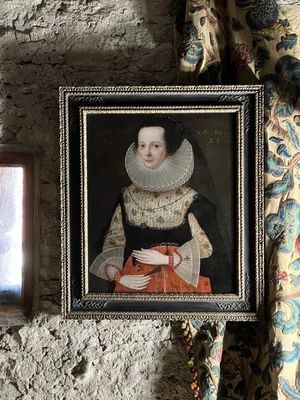
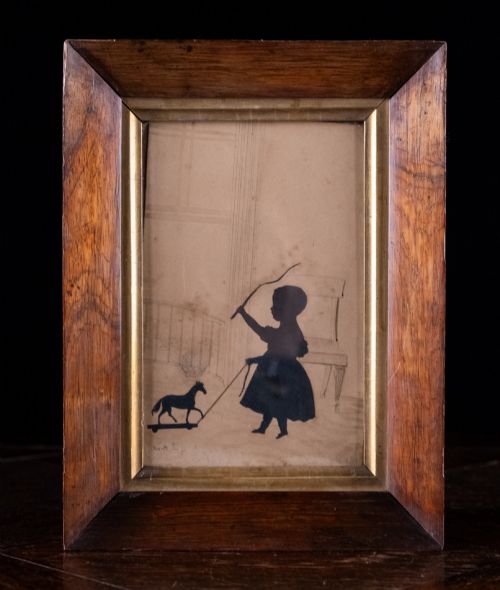
When buyers search for black wood framed artwork, they encounter centuries of portraits, engravings, and panels enclosed in dark timber. These pieces range from seventeenth-century oil paintings on panel to nineteenth-century silhouettes and twentieth-century prints.
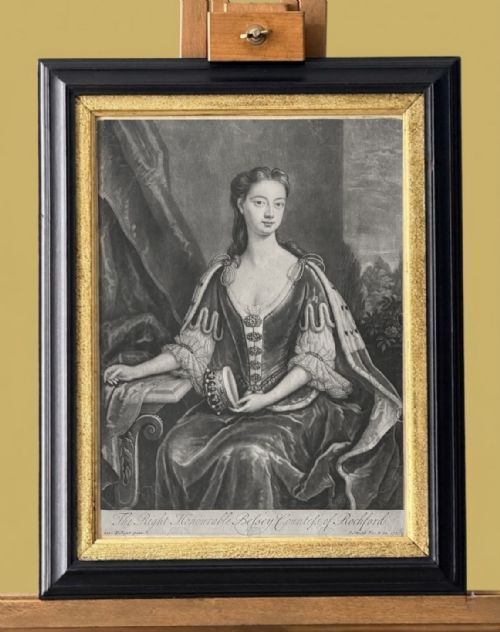
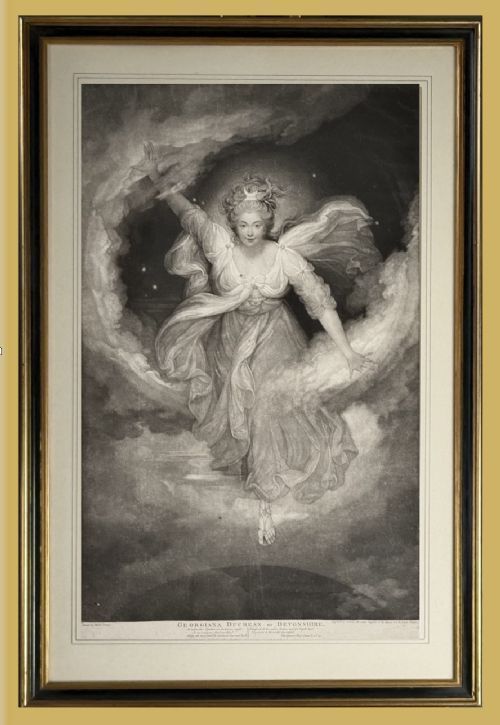
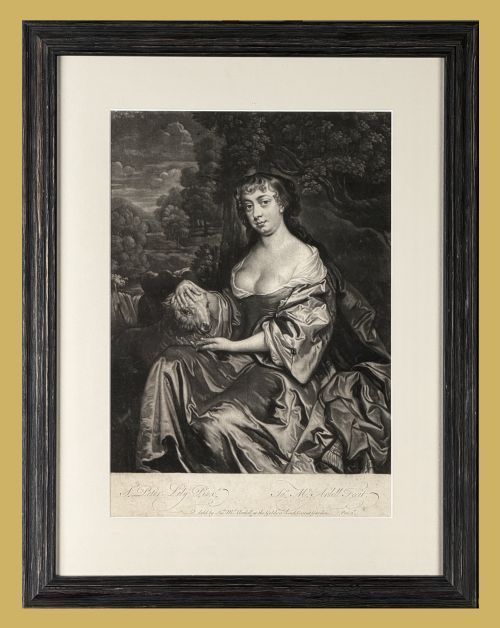
The versions most commonly met on this page include eighteenth-century mezzotints, nineteenth-century topographical engravings, and painted portraits. Many items retain their original or period-appropriate blackened wood surrounds.
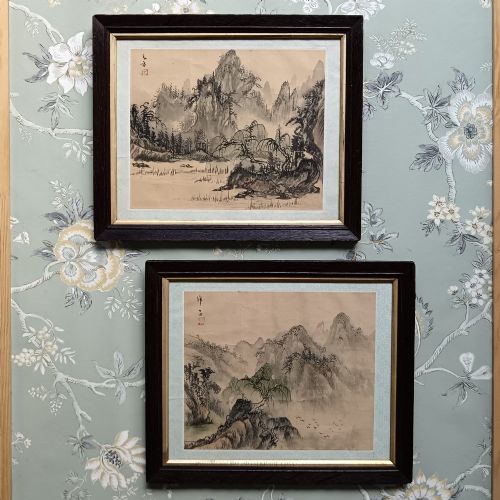
Origins stretch across British, European, and colonial traditions, embracing styles from the Baroque to academic realism. Buyers acquire these works to anchor traditional interiors with historic depth and graphic contrast.
Materials and Construction
The physical construction of these pieces relies on traditional timber frames housing paper, canvas, or wood panels. Craftsmen utilised wood, glass, and paper alongside media such as oil paint, ink, charcoal, and gold leaf.
Surrounds are frequently fashioned from darkened or ebonised wood, sometimes complemented by gilt highlights. Prints and drawings sit behind protective glass, while oil paintings rest directly on stretched canvas or wooden panels.
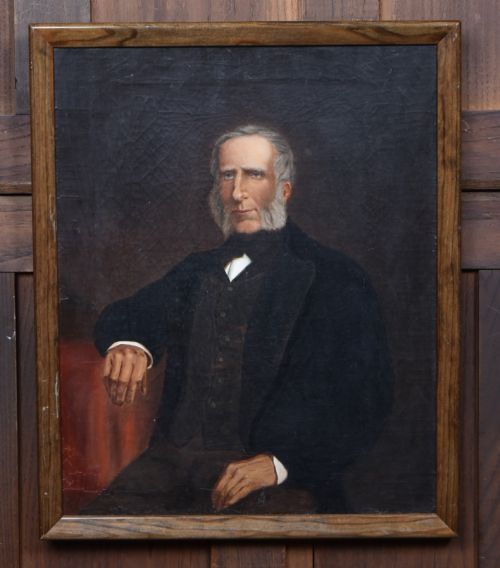
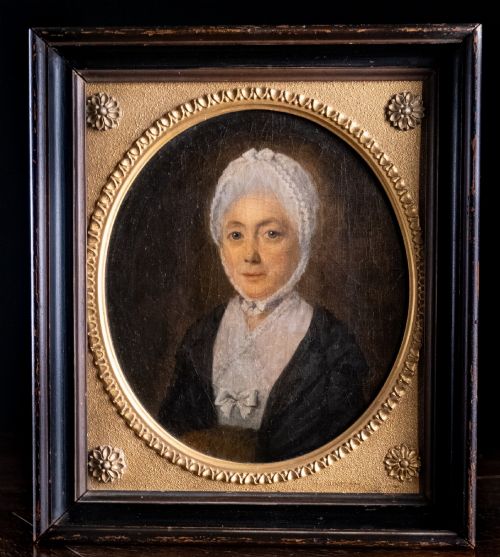
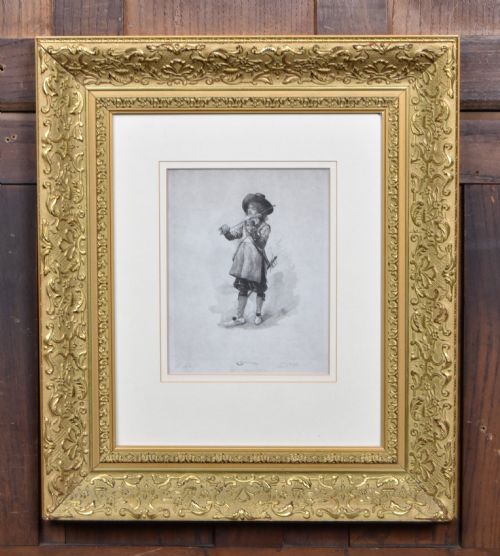
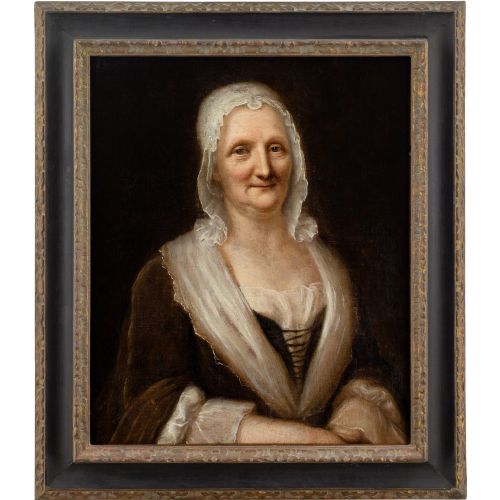
Gentlemen, nobility, dogs, and actors gaze outward from their dark timber bounds, watching the centuries pass.
Evaluating Quality and Authenticity
Quality within these works rests on the execution of the primary image and the integrity of the housing. Superior examples feature skilled draughtsmanship, strong provenance, and original materials that have survived intact over centuries.
The relationship between the artwork and its enclosure dictates much of the value. Pieces retaining contemporary or original frames demonstrate greater historical cohesion than later marriages of image and timber.
Augustin Edouart·William Hogarth·Gustave Doré·John Boydell
The Black Wood Framed Artwork Glossary
- Mezzotint
- A printmaking process of the intaglio family where the plate is roughened to produce tones of grey and black. It allows for subtle gradations of light and shade suited to portraiture.
- Silhouette
- A portrait cut from paper or painted as a solid shape, usually in profile. These items gained popularity during the eighteenth and nineteenth centuries.
- Reverse glass print
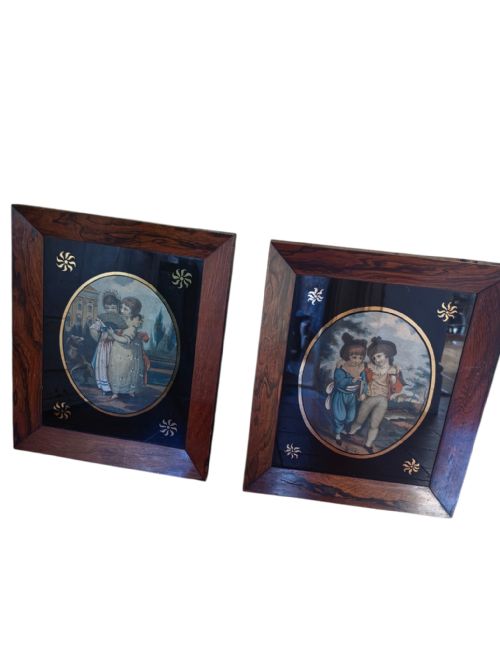
- An image painted or transferred directly onto the underside of a glass sheet. This technique creates a glossy surface finish protected from atmospheric degradation.
- Engraving
- A printmaking method where a design is cut into a metal plate with a burin. The resulting lines hold ink to transfer the composition onto paper.
- Ebonisation
- A chemical treatment or dark stain applied to common timbers to imitate ebony. This finish provides the dark visual weight characteristic of many historic frames.
Black Wood Framed Artwork: Frequently Asked Questions
What periods do these pieces represent?
The inventory encompasses works originating from the seventeenth, eighteenth, and nineteenth centuries, alongside select twentieth-century examples.
Historical eras represented include the Georgian and Victorian periods, as well as earlier seventeenth-century British and continental European schools.
Are the frames original to the art?
Many listings preserve their original or period-appropriate frames, maintaining the historic integrity of the object.
Collectors look for enclosures that match the age and style of the enclosed print, painting, or engraving.
How should I hang historic framed art?
These pieces require stable interior environments away from direct sunlight and damp conditions to preserve paper, canvas, and timber.
Ensure wall fixings adequately support the weight of traditional wood frames and protective glass.
What subjects appear most frequently?
Portraits dominate the selection, ranging from noble figures and literary subjects to silhouettes of gentlemen and children.
Landscapes, topographical views, religious scenes, and botanical or seasonal allegories also feature prominently across the inventory.