


Antique Maritime Drawing
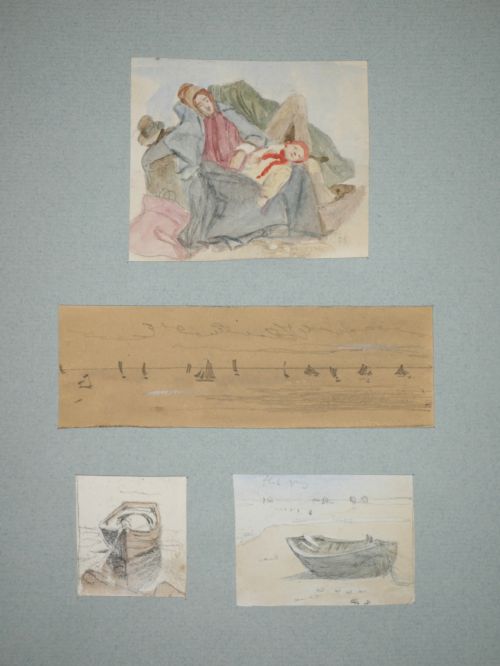
These antique maritime drawing examples capture the motion of vessels under sail and the expanse of coastal harbours on paper.
Antique Maritime Drawing
An antique maritime drawing brings together works on paper, watercolours, pastels, and charcoal sketches focusing on ships and coastal scenes. Buyers searching for an antique maritime drawing encounter nineteenth-century watercolours and pastels depicting vessels at sea.
The items span periods from the Georgian and Regency eras through to the Victorian and Edwardian decades, alongside twentieth-century examples. Works on paper range from detailed marine sketches to finished coastal watercolours.
Makers and artists recorded in these works include James Smetham, William Frederick Settle, Samuel Owen, John Scott Russell, and Thomas Lound. Each piece reflects the maritime focus of its respective period.
Materials and technique
These works rely primarily on paper as the ground, combined with watercolour, pastel, and charcoal pigments. Artists applied washes and strokes to capture light on water and the details of rigging.
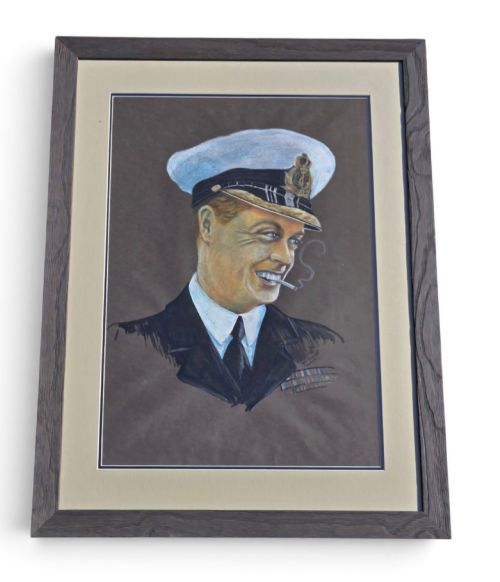
Many of these drawings are preserved behind glass and set within wooden frames, protecting the delicate paper surfaces from atmospheric moisture. The physical combination of paper and pigment defines the medium.
Listings feature works in watercolour, pastel, and charcoal across Victorian, Edwardian, and Regency periods.
Judging quality in maritime works
Quality rests on the handling of light, atmospheric perspective, and the accurate depiction of nautical architecture and rigging. Stronger examples display a confident grasp of movement on the water.
The skill of the draughtsman determines the vitality of the sketch, distinguishing casual notations from finished watercolours and pastels. Condition of the paper and the presence of a known artist's hand further elevate the piece.
James Smetham·William Frederick Settle·Samuel Owen·John Scott Russell·Thomas Lound
The Antique Maritime Drawing Glossary
- Watercolour
- A painting method in which the paints are made of pigments suspended in a water-based solution. This technique allows for transparent washes that suit marine scenes.
- Pastel
- A dry art medium in powder form pressed into stick shape. It creates velvety textures found in coastal drawings.
- Charcoal
- A form of dry carbon used for drawing, producing bold, dark lines. It is frequently utilised for dramatic atmospheric effects.
- Works on paper
- A collective term encompassing drawings, watercolours, and prints. These items require careful framing behind glass.
Antique Maritime Drawing: Frequently Asked Questions
What periods do these drawings come from?
The pieces span the Georgian, Regency, Victorian, and Edwardian periods, stretching into the early twentieth century.
Watercolours and pastels from these eras document changing styles in marine art.
How should I display works on paper?
These drawings require protection behind glass to prevent damage from dust and humidity.
Keep them away from direct sunlight to preserve the watercolour and pastel pigments.
What materials were used?
Artists utilised paper as the primary ground for watercolours, pastels, and charcoal.
Frames often incorporate wood and glass to secure the works safely.
Are these drawings signed by artists?
Certain examples bear signatures or attributions to known nineteenth-century marine artists.
Documentation helps connect specific pieces to historical draughtsmen.