


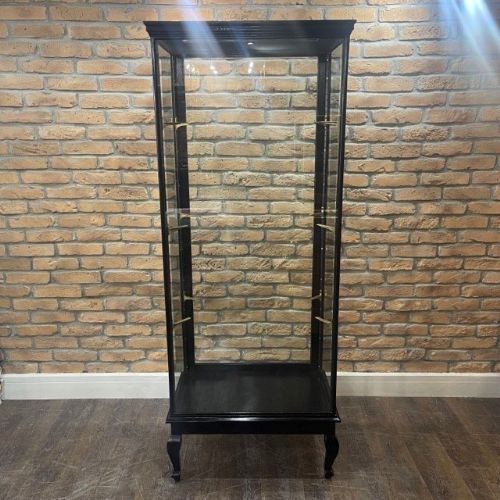


Black Wood Display Case
A black wood display case organises small treasures and specimens behind glass, bringing a dark, sharp frame to whatever sits inside.
Black Wood Display Case
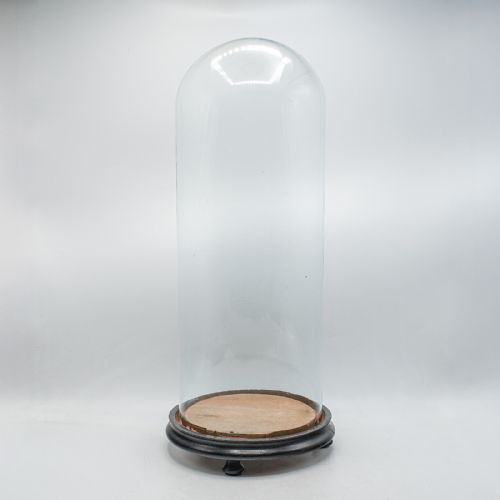
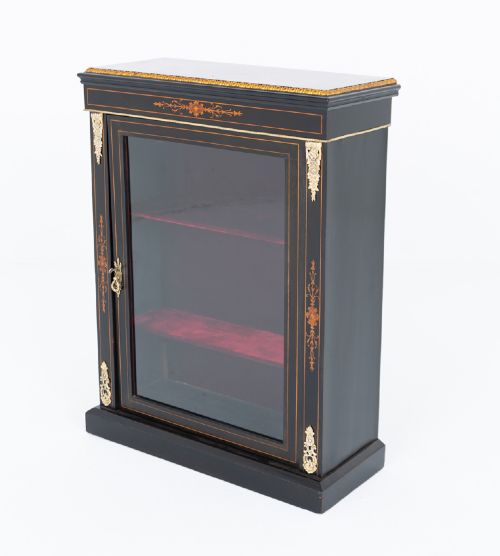
A black wood display case takes several distinct forms across the nineteenth and early twentieth centuries, from tall tower cabinets and pier furniture to round glass domes and shop counters. You encounter these pieces most frequently as ebonised wood or painted wooden frames paired with thick glass panels to protect delicate contents.
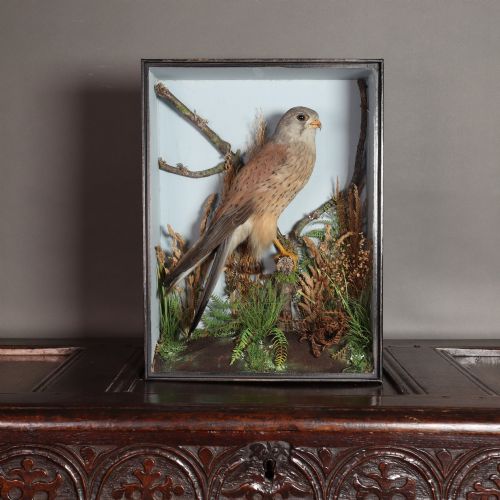
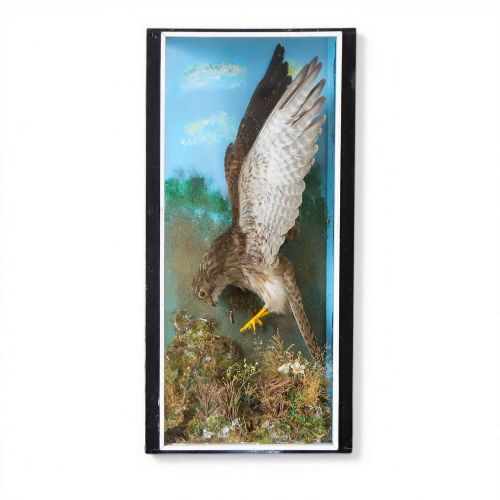
The selection ranges from Victorian taxidermy dioramas and maritime models to Edwardian shop displays and Art Deco commercial units. Each version serves a specific purpose, whether housing a kestrel, a sailing ship model, or botanical specimens collected during the period.
Makers utilised dark finishes to draw the eye directly towards the interior contents without competing for attention. The proportion and height depend heavily on the intended placement, spanning tabletop clock domes to heavy floor-standing cabinets.
How they were made
Makers constructed these cabinets using standard timber treated with paint or ebonising techniques to achieve a deep black surface, frequently paired with brass hardware and velvet or felt interior linings. Glass forms the primary viewing area, whether blown into curved domes or fitted into straight wooden framing for tall display cases.
Internal structures often incorporate plaster mouldings or painted wooden backdrops to support specimens, taxidermy, or model ships securely. Joints and mouldings reflect the standard joinery methods of the Victorian and Edwardian eras, prioritising structural stability to hold heavy glass safely.
Several Victorian taxidermy cases preserve birds perched eternally behind glass beneath heavy ebonised wood frames.
What varies in quality
The distinction between standard utility furniture and superior pieces lies in the precision of the timber finish and the clarity of the original glass. Cabinets featuring refined ebonising, intact brass fittings, and original velvet or felt linings demonstrate higher original manufacture.
Commercial pieces built for shops or specialised displays often carry maker identities or distinctive joinery that elevate their status above domestic alternatives. The integrity of the glass, particularly on curved domes and tall tower structures, defines the preservation standard of each piece.
T. E. Gunn·Sage And Co·Quincy Showcase Works
The Black Wood Display Case Glossary
- Ebonised Wood
- Timber treated with a dark stain or paint to imitate ebony. This finish gained popularity during the nineteenth century for cabinets and decorative frames.
- Display Dome
- A curved glass cover resting on a wooden or painted base. These housings protect delicate objects such as taxidermy and clock movements from dust.
- Pier Cabinet
- A narrow piece of furniture designed to stand against a wall between windows. These cabinets typically feature glazed doors and dark wooden frames.
- Diorama
- A three-dimensional scene enclosed within a case. Maritime models and taxidermy specimens frequently utilise this format for realistic presentation.
- Tower Cabinet
- A tall, vertical display unit with glazed sides. These tall structures maximise display space within a minimal floor footprint.
Black Wood Display Case: Frequently Asked Questions
What fits inside these cabinets?
These enclosures traditionally house taxidermy specimens, model ships, botanical collections, and small decorative objects.
The height and depth of the frame dictate whether the piece suits tabletop display or floor placement.
How do I clean the glass?
Historic glass requires gentle cleaning with standard glass cleaner applied to a cloth rather than sprayed directly onto the surface.
Care prevents liquid from seeping into the ebonised wood frame or antique internal linings.
Are the wood finishes original?
Many Victorian and Edwardian examples retain their original ebonising or paint treatments applied during initial manufacture.
Close inspection of the surface wear helps distinguish period finishes from later refinishing work.
Where should I place a dome?
Display domes require stable horizontal surfaces away from direct sunlight to protect fragile internal specimens and fabric linings.
Tabletops, sideboards, and dedicated display counters provide suitable structural support.