

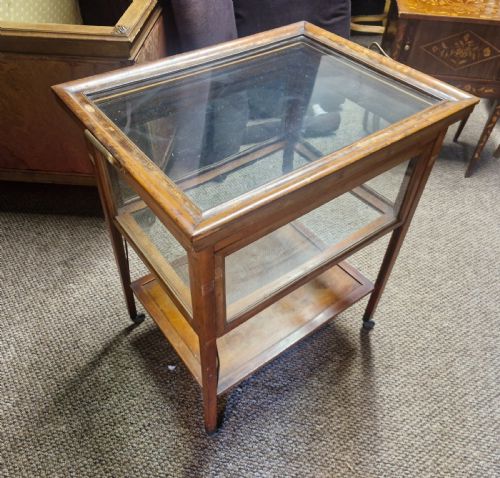


Vintage Tea Cabinet
These vintage tea cabinet pieces span display furniture and serving trolleys, offering functional storage and period charm for modern interiors.
Vintage Tea Cabinet
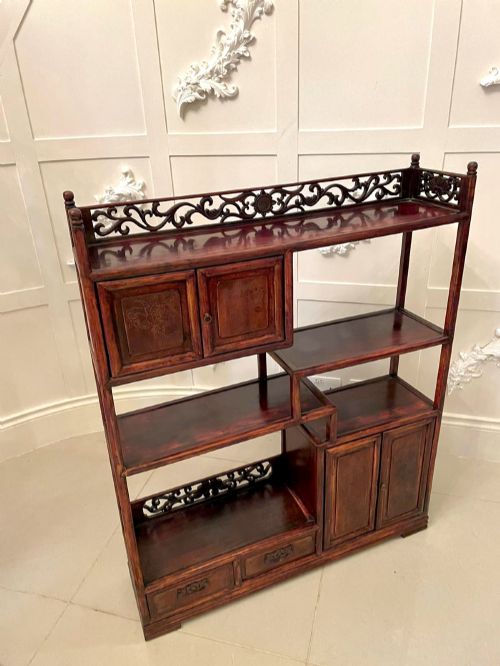
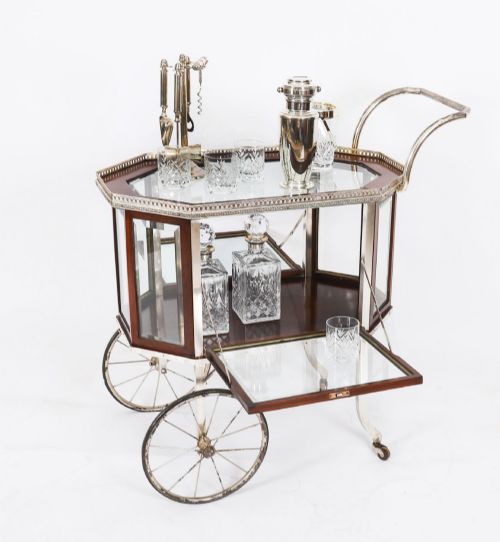
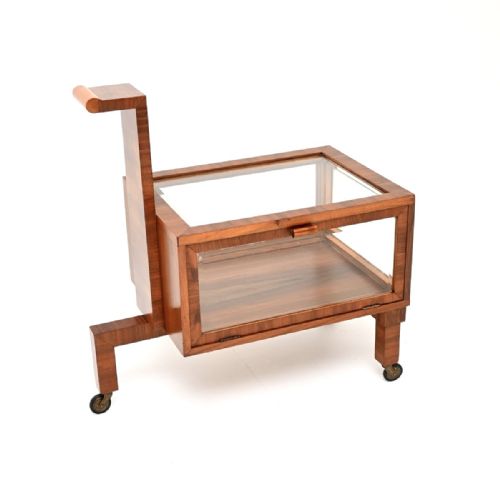
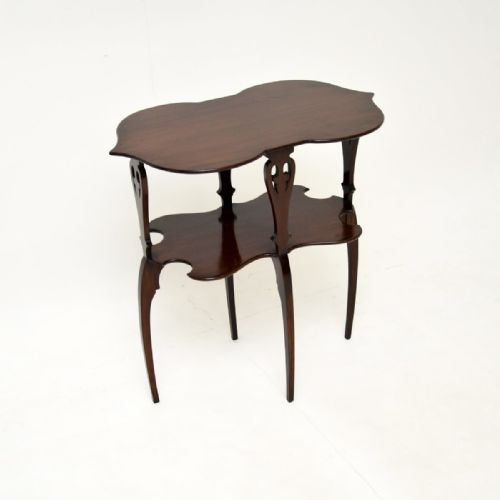
When someone searches for a vintage tea cabinet, they are looking at a range of functional furniture that includes display cabinets, serving trolleys, drinks carts, and occasional tables. These pieces originate from periods such as the Edwardian era, the Victorian period, and the 1930s, reflecting changing social habits around hosting and hospitality.
How they were made
Cabinet makers and manufacturers utilised solid timbers and veneers like mahogany, walnut, and teak, frequently incorporating glass panels for display purposes. Brass hardware, silver plate, and gold leaf appear alongside enamel finishes to provide decorative contrast.
Construction techniques include drop-side mechanisms for trolleys, inlaid wood details typical of Edwardian pieces, and fitted removable trays designed for serving. Casters are integrated into mobility-focused pieces like bar carts and serving trolleys to facilitate movement.
Listings incorporate items from the Victorian, Edwardian, and 1930s periods, utilising mahogany, walnut, and glass.
What varies in quality
The standard of a vintage tea cabinet is determined by the selection of timbers and the precision of decorative inlays, where finer examples display superior grain matching and intricate woodwork. The integrity of the structural joinery and the original hardware, such as brass castors or handles, also indicate superior manufacture.
The Vintage Tea Cabinet Glossary
- Drop-side
- A table or trolley featuring hinged flaps that can be lowered or raised to alter the surface area. This mechanism allowed furniture to save space when not in use for serving.
- Casters
- Small wheel attachments fitted to the legs of trolleys and tables to allow smooth movement across floors. They are frequently made of brass or porcelain.
- Inlay
- A decorative technique where contrasting materials such as lighter woods are inserted into recesses in the primary surface to create patterns. Edwardian pieces frequently utilise this method.
- Demi-tasse
- A small cup used for serving strong coffee or espresso, often found alongside tea wares and cabinet displays from the early twentieth century.
- Burr Amboyna
- A highly prized wood veneer showing knotted growths and intricate grain patterns. It is utilised on decorative Art Deco bar carts.
Vintage Tea Cabinet: Frequently Asked Questions
What is a vintage tea cabinet?
A vintage tea cabinet encompasses a variety of serving and display furniture, including trolleys, carts, and occasional tables designed for hospitality.
These pieces originate from periods spanning the Victorian era through to the Art Deco design movement of the 1930s.
How were tea trolleys used?
Tea trolleys served as mobile surfaces for transporting cups, saucers, teapots, and cakes between rooms for guests.
Many examples feature removable trays and drop sides to assist with serving during afternoon tea gatherings.
Are Art Deco bar carts different?
Art Deco bar carts from the 1920s and 1930s typically showcase geometric lines, polished walnut or amboyna veneers, and brass detailing.
They reflect the shift toward cocktail culture and modernist design during the interwar period.
Can I use these cabinets for display?
Display cabinets and shop counter units with glass panels provide enclosed storage for ceramics, glassware, and collectables.
They allow items to be viewed clearly while protecting them from dust in domestic or retail settings.