






Antique Advertising Showcase
An antique advertising showcase puts historic shop display cabinets bearing old brand names right into your home.
Antique Advertising Showcase
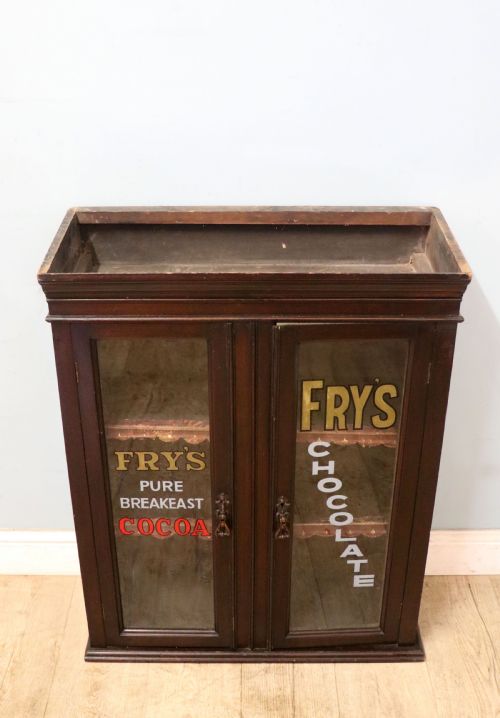
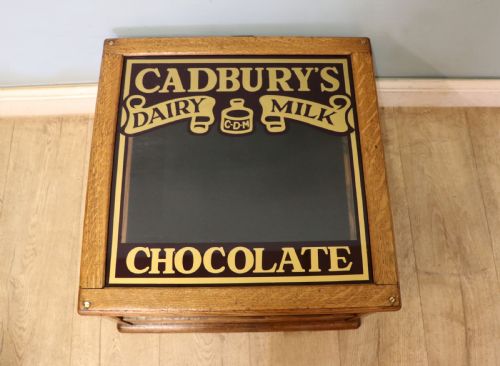
An antique advertising showcase is a glazed cabinet or counter case used by historic retailers to display goods, often featuring later sign written lettering for brands such as Cadbury's, Fry's, Rowntree's, OXO, and Hovis. These pieces appear across the Victorian, Edwardian, and 1930s periods, taking forms from countertop display cases to larger shopfitting cupboards.
Buyers seeking this phrase most frequently encounter mahogany, hardwood, or American walnut frames fitted with glass panels for maximum visibility. Many examples combine traditional commercial joinery with hand sign written decoration added to market confectioners, tobacconists, and grocers.
How they were made
Maker construction relies on solid timbers including mahogany, oak, American walnut, and vintage pine, assembled into sturdy frames to withstand heavy daily retail use. Glass panes are fitted into doors and sides to secure merchandise while keeping goods visible to customers across the counter.
Metal components such as brass or nickel-plated metal provide functional hardware for hinges and catches, supporting access to the interior. Sign writing is applied by hand directly to wood surfaces or glass to display commercial lettering for period brands.
Listings feature pieces spanning the Victorian period, Edwardian era, 1910, 1920, and 1930, constructed from mahogany, oak, pine, and American walnut.
What varies in quality
The choice of cabinet timber and framing timber dictates the foundational quality, with dense hardwoods like mahogany and American walnut sitting above softer pine or general hardwood frames. Timber selection affects both the structural weight and the finish of the display case.
The execution of the hand sign written lettering defines the visual appeal of the advertising, distinguishing skilled brushwork from simpler decoration. Originality of the glass panels and the proportion of the glazed display areas also separate standard commercial carcasses from finer shopfitting pieces.
Robert West Gunsmith·Cadbury's·Fry's·Venus Pencil
The Antique Advertising Showcase Glossary
- Countertop display cabinet
- A glazed showcase designed to sit directly on a retail shop counter for close customer inspection. These compact units typically feature rear access doors for the shopkeeper.
- Sign written
- Lettering applied by hand to wood or glass surfaces using traditional sign painter's paint. This technique forms the advertising element found on commercial cabinets.
- Shopfitting
- The trade and practice of manufacturing fitted furniture and display units specifically for commercial retail premises. Pieces built to these standards often utilise robust hardwoods.
- Glazed
- Fitted with glass panels to enclose the display space while allowing light to enter and merchandise to be seen. This protects goods from dust and handling.
Antique Advertising Showcase: Frequently Asked Questions
What is an advertising showcase?
An advertising showcase is a glazed display cabinet or counter case originally used in shops to present products to buyers while displaying brand names.
These pieces combine functional retail storage with hand-painted commercial lettering from periods spanning the nineteenth and twentieth centuries.
How were these cabinets used in shops?
Shopkeepers placed these glass cases on counters or shelves to hold small goods such as chocolate, tea, pencils, and grocery items securely. The glazing kept merchandise clean while letting customers view the items up close.
Rear doors allowed staff to retrieve stock easily during busy retail hours.
Are the brand names original to the pieces?
Many cabinets feature later hand sign written decoration applied to period timber frames to recreate historic advertising.
This practice reflects the ongoing commercial history and decorative adaptation of these functional display units.
Where can I place a cabinet at home?
Countertop models sit well on sideboards, desks, or kitchen counters to display small collections behind glass. Larger floor cabinets function as standalone display furniture in living areas or dining rooms.
The glass panels keep displayed objects free from dust in domestic settings.