



Black White Framed Engraving
When you search for a black white framed engraving, you uncover centuries of graphic art preserved behind glass in period surrounds.
Black White Framed Engraving
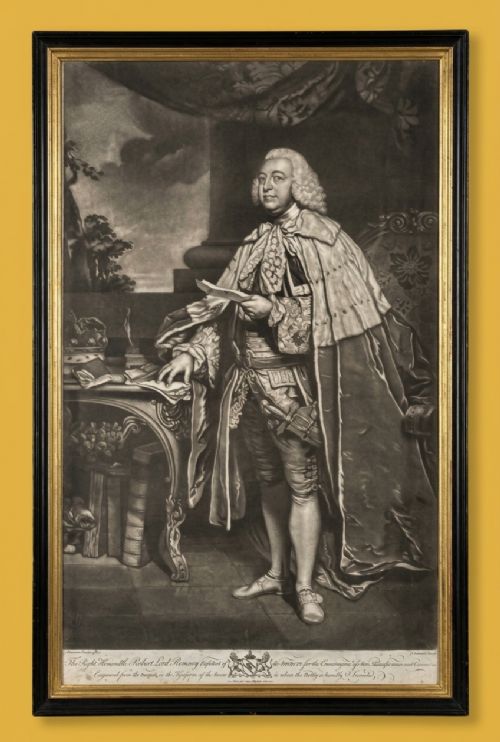
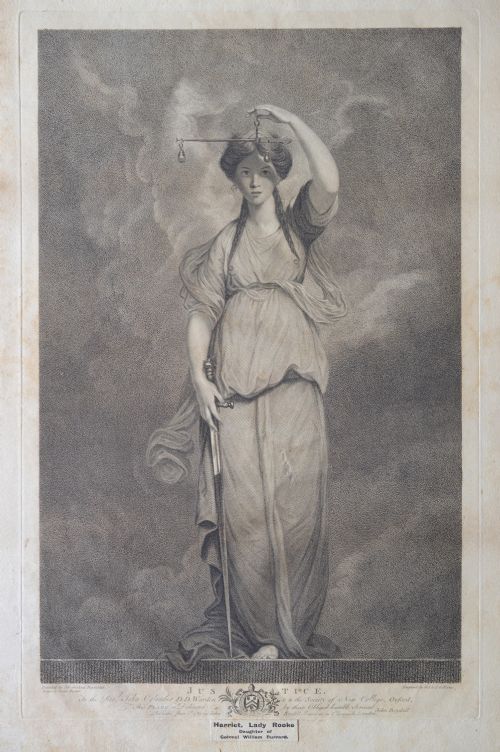
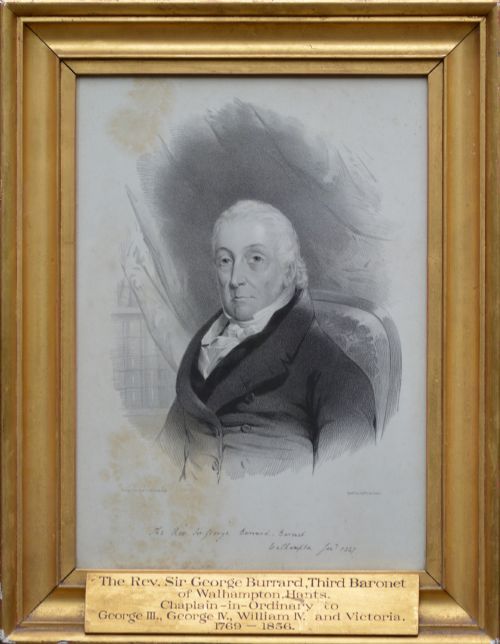
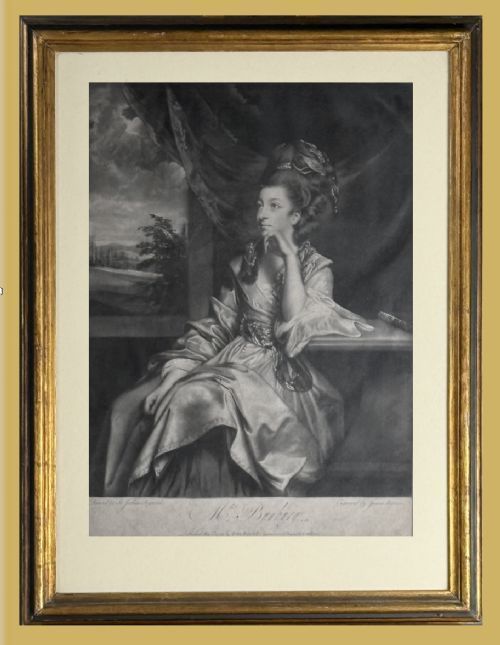
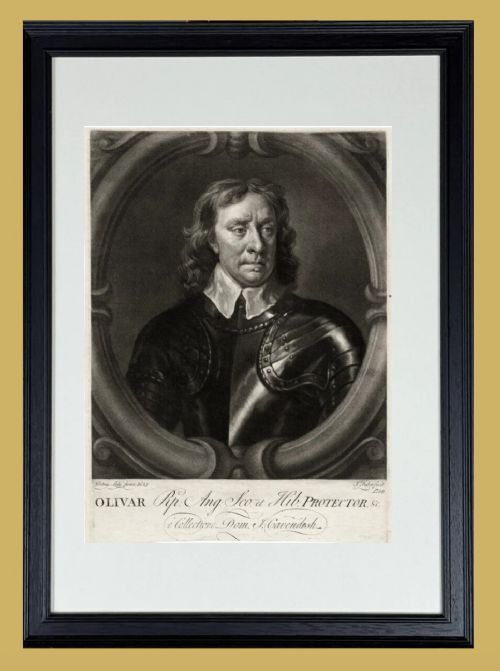
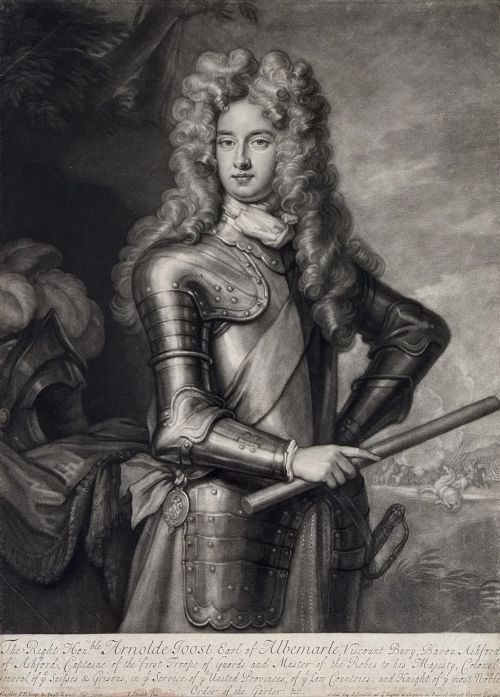
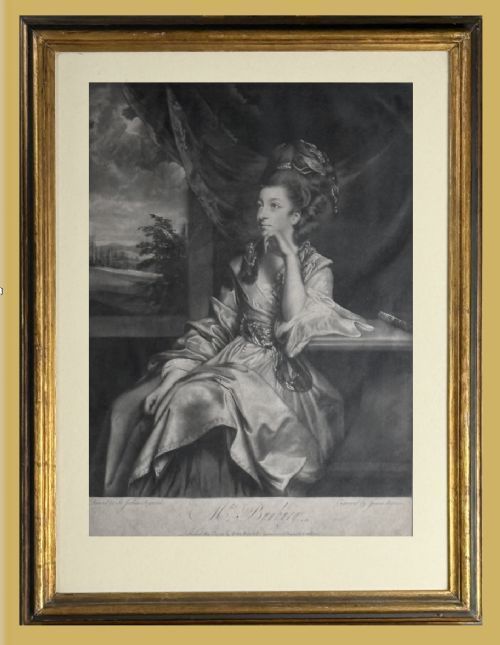
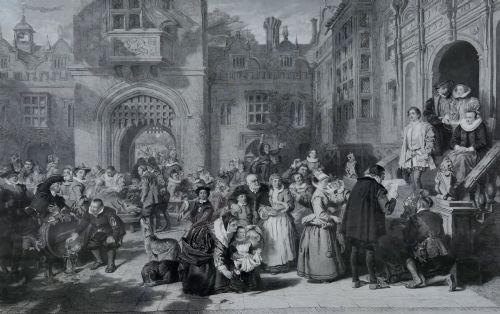
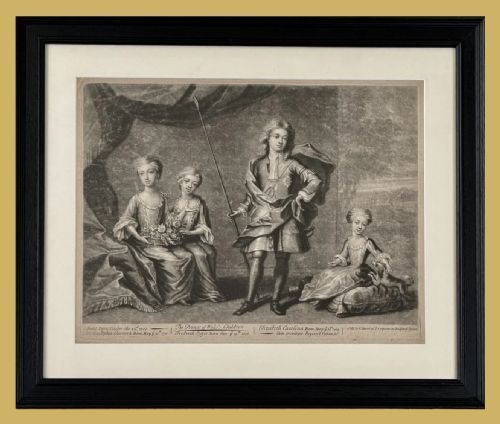
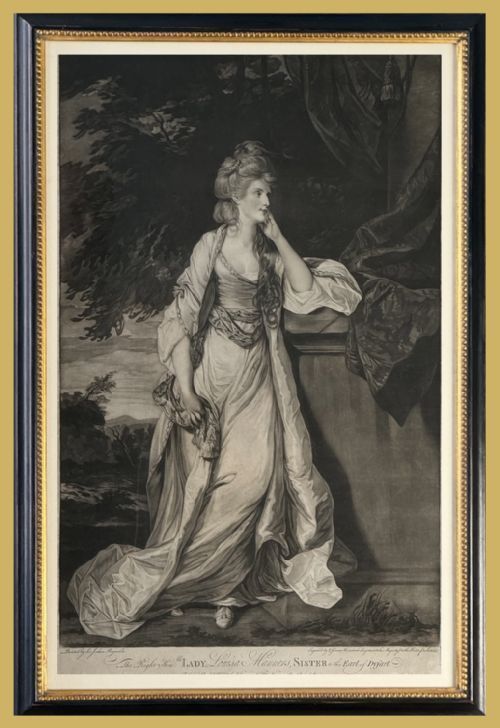
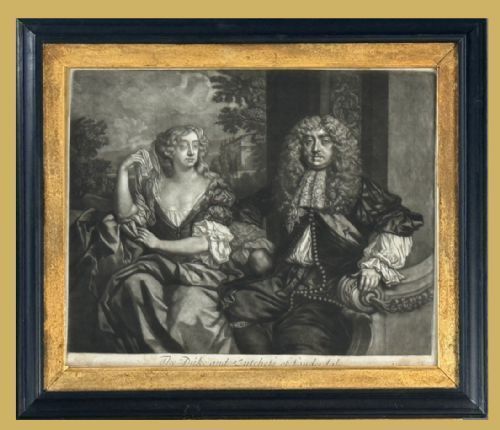
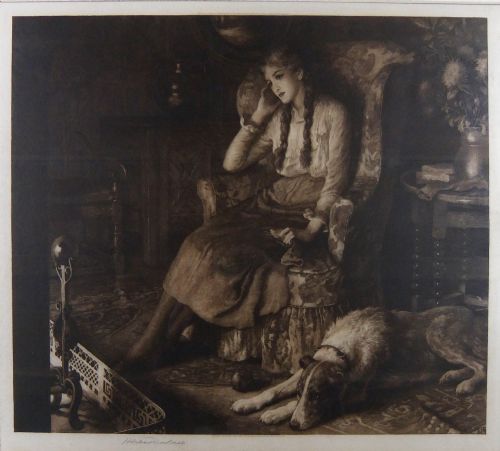
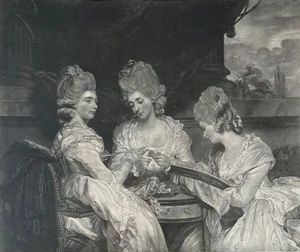
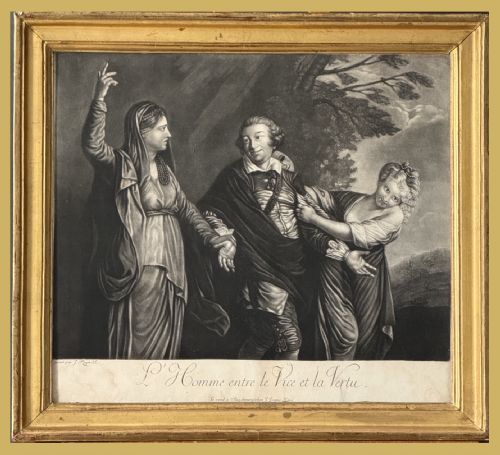
A black white framed engraving encompasses a wide spectrum of printed works, ranging from seventeenth-century mezzotint portraits to early twentieth-century etchings. Buyers pursuing this search phrase frequently encounter framed prints depicting historical figures, classical scenes, architectural views, and literary narratives.
The selection on this page spans several distinct eras, including the Georgian, Victorian, and Edwardian periods, alongside specific dates reaching back to the seventeenth century and forward into the twentieth. Works originate from British and French makers, capturing everything from grand aristocratic portraits to detailed topographical studies of London.
Object types vary from standalone wall art and etchings to multi-part sets, such as seasonal allegories and panoramic townscapes. Each piece is mounted behind glass within its period housing, preserving the delicate paper and ink work from environmental wear.
Materials and Techniques
The physical construction relies on ink applied to paper through intricate printmaking techniques such as engraving, etching, and mezzotint. Master printmakers carved lines or tones into metal plates, transferring delicate monochrome imagery onto high-grade paper sheets.
Housing these works required robust carpentry, utilising wood to build protective surrounds often enhanced with gold leaf, giltwood, or standard gilt finishes. Glass fronts were fitted directly over the paper to shield the monochrome pigments from moisture and handling.
Black White Framed Engraving Retail Price Guide 2026
Typical asking prices for black white framed engraving among the pieces listed under this phrase on Sellingantiques today, from the lower quarter to the upper quarter. They describe what is for sale here now, not the wider market.
Listings feature works spanning from the seventeenth century through to the 1950s, employing paper, ink, and gilt wood.
Markers of Quality
Quality in these works rests upon the clarity of the printed impression and the preservation of the paper beneath the glass. Early pulls from a metal plate display crisp lines and deep tonal gradations, whereas later impressions lose definition as the plate wears down.
The housing contributes significantly to the integrity of the piece, with original period frames adding historical cohesion. Surviving artists' proofs and signed editions carry distinct distinction, reflecting the direct involvement of the creator in the printing process.
Sir Joshua Reynolds·John Smith·Sir Godfrey Kneller·James Watson·Sir Peter Lely·Valentine Green·Herbert Dicksee·William Hogarth
The Black White Framed Engraving Glossary
- Engraving
- A printmaking technique where an artist cuts lines directly into a metal plate using a hardened steel tool called a burin. The resulting incisions hold the ink that transfers to paper under pressure.
- Mezzotint
- A tonal printmaking method where the copper plate is roughened uniformly to produce dark areas, then scraped and burnished to create light passages. This technique achieves smooth gradations of shade without relying on line work.
- Etching
- A process where metal plates are coated with an acid-resistant ground, through which the artist draws an image with a needle. Acid then bites the exposed lines into the metal before the plate is inked and printed.
- Drypoint
- A printmaking variation where the artist scratches directly into the metal plate with a sharp needle, raising a ragged ridge of metal called a burr. This burr catches the ink to produce velvety, rich lines unique to the method.
- Artist Proof
- An impression taken during the printing process to allow the artist to check the state of the work before the main edition is produced. These signed examples are often prized for their direct association with the creator.
Black White Framed Engraving: Frequently Asked Questions
How do I care for a framed engraving?
Keep the piece away from direct sunlight to prevent the ink and paper from fading over time. Maintain stable indoor humidity levels to protect both the paper and the wooden frame.
Avoid hanging prints in damp areas like kitchens or bathrooms. Clean the glass gently with a dry microfiber cloth, ensuring no moisture slips beneath the frame edges.
What is the difference between an engraving and an etching?
An engraving is created by physically cutting lines into a metal plate using a sharp tool. This requires considerable force and produces precise, clean lines.
An etching uses acid to bite the lines into a metal plate covered in a protective ground. This allows for a more fluid, freehand drawing style compared to mechanical cutting.
Are these frames original to the prints?
Many pieces retain their original or period-appropriate frames, such as early Hogarth mouldings or giltwood surrounds. These housings were designed specifically to complement the aesthetic of the era in which the print was made.
Some works may have been re-framed later in their history to ensure continued structural support. Examining the joinery and backing materials helps determine the age of the surround.
What does a signed artist proof mean?
An artist proof is an impression pulled outside the main commercial edition for the creator's personal review. The signature indicates the artist inspected and approved the specific print.
These impressions often exhibit superior clarity because the metal plate was fresh when they were pulled. Collectors value them for their direct connection to the printmaker.