



Neoclassical Figure Print
These neoclassical figure print examples offer classical Greek and Roman imagery on paper, bringing timeless mythological subjects and antique sculptural studies straight to your walls.
Neoclassical Figure Print
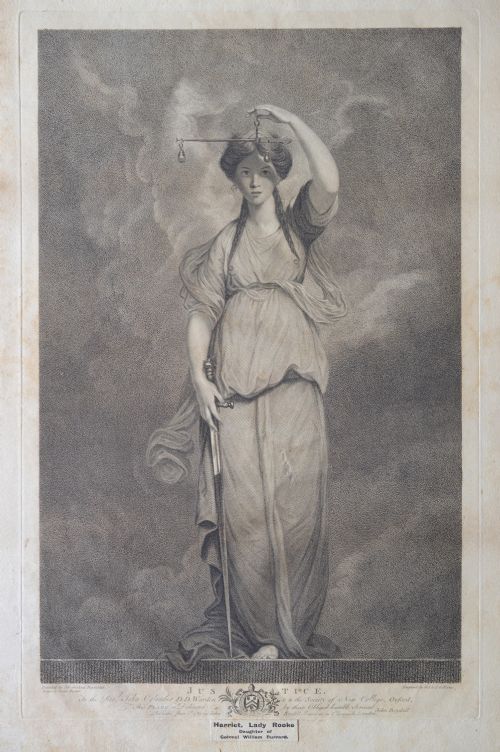
A neoclassical figure print captures classical antiquity through engraved and etched depictions of Greek and Roman deities, statues, and mythological scenes. These works draw heavily from archaeological discoveries at sites like Herculaneum and Athens, translating ancient sculptures and reliefs onto paper sheets.
The pieces on this page span the eighteenth and nineteenth centuries, alongside early twentieth-century interpretations. Buyers frequently encounter framed engravings depicting allegorical figures, classical literature illustrations, and grand tour subjects.
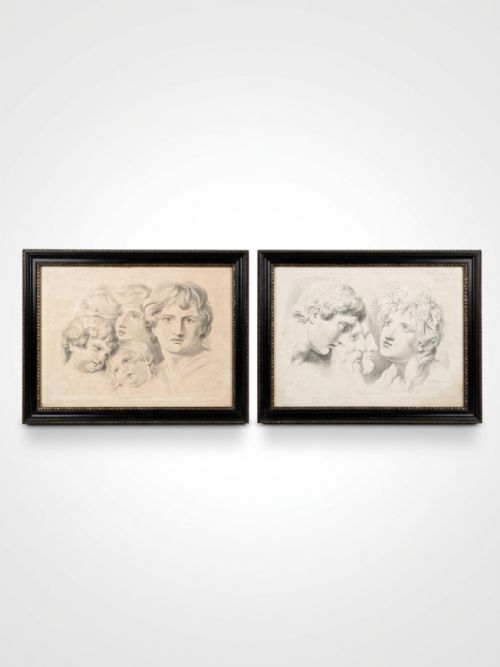
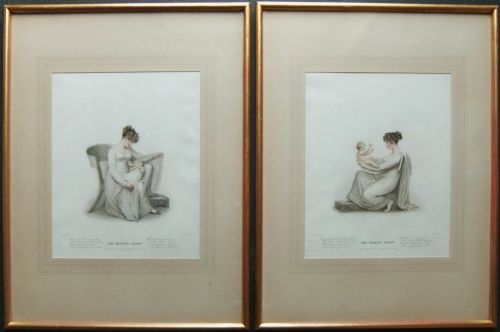
Forms range from individual framed artwork to pairs and larger sets by notable classical artists. They offer a direct window into the neoclassical revival that shaped European interior decoration across multiple generations.
Materials and methods
Makers produced these works primarily on paper using ink for the lines of the engraving or etching. Plates were meticulously carved by hand before being pressed onto paper sheets to transfer the fine details.
Framing materials commonly include wood, gilded wood, and gold leaf, often protected by glass. Metal components and specialised mounts complete the presentation of these historic works on paper.
Neoclassical Figure Print Retail Price Guide 2026
Typical asking prices for neoclassical figure print among the pieces listed under this phrase on Sellingantiques today, from the lower quarter to the upper quarter. They describe what is for sale here now, not the wider market.
Some winged gods and mythical serpents peer out from these ancient ruins with surprisingly stern expressions.
Judging quality
Quality rests upon the crispness of the ink lines and the depth of the impression left by the plate upon the paper. Finer prints retain sharp details in the figures and background architectural elements without blurring or fading.
The execution of the surrounding frame also influences the overall standard of the piece. Period frames utilising gold leaf and traditional woodworking techniques elevate the presentation of antique paper works.
Sir Joshua Reynolds·Adam Buck·John Flaxman·Simon François Ravenet·F R Roffe·James Basire·Edward Rooker
The Neoclassical Figure Print Glossary
- Engraving
- A printmaking technique where an artist cuts lines directly into a metal plate with a burin. This method creates sharp, precise lines that define the classical figures.
- Etching
- A process where acid bites lines into a metal plate covered with a protective ground. It allows for softer, more fluid lines in illustrative prints.
- Grand Tour
- A traditional trip through Europe undertaken by upper-class young men to study classical art and antiquities. Souvenirs from these journeys frequently included prints of Roman statues and Greek gods.
- Neoclassical
- A Western cultural movement inspired by the classical art and culture of ancient Greece and Rome. This style emphasises proportion, classical motifs, and dignified human figures.
Neoclassical Figure Print: Frequently Asked Questions
What is a neoclassical figure print?
A neoclassical figure print is an antique engraving or etching depicting subjects from ancient Greek and Roman mythology, sculpture, and architecture. These works reflect the eighteenth and nineteenth-century fascination with classical antiquity.
They serve as decorative works of art that capture archaeological discoveries and classical literature through detailed ink on paper.
How were these prints originally displayed?
Many of these prints were framed for domestic display in libraries, drawing rooms, and studies during the Georgian and Victorian eras. Others originated as plates bound inside architectural folios and books before being separately framed.
Collectors often mount them in wood or gilded frames behind glass to protect the fragile paper from environmental damage.
How do I identify the age of a print?
Dating relies on the paper characteristics, printing technique, and stylistic markers recorded in the margins or title inscriptions. Eighteenth-century examples often display watermarks and heavier plate marks.
Nineteenth-century and later printings can sometimes be identified by paper texture, typography styles, and the specific framing methods used by historical handlers.
How do I care for antique paper art?
Protect antique prints by keeping them away from direct sunlight to prevent the ink and paper from fading. Maintaining stable humidity levels prevents the paper from warping or developing foxing spots over time.
Glazing with protective glass helps shield the delicate ink surfaces from dust, moisture, and accidental physical contact in a home environment.