



Black Metal Figures
These black metal figures bring distinct character to a room through varied period forms in bronze, spelter, and cast iron.
Black Metal Figures
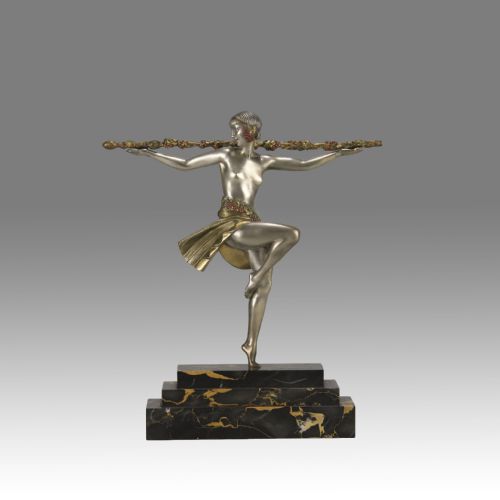
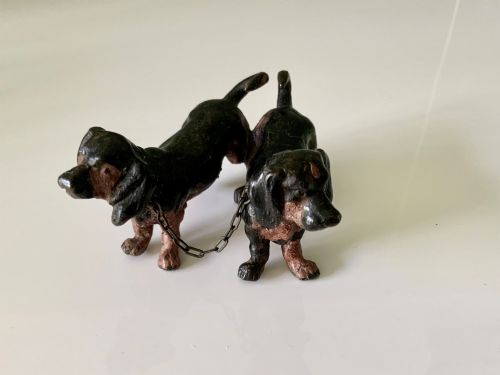
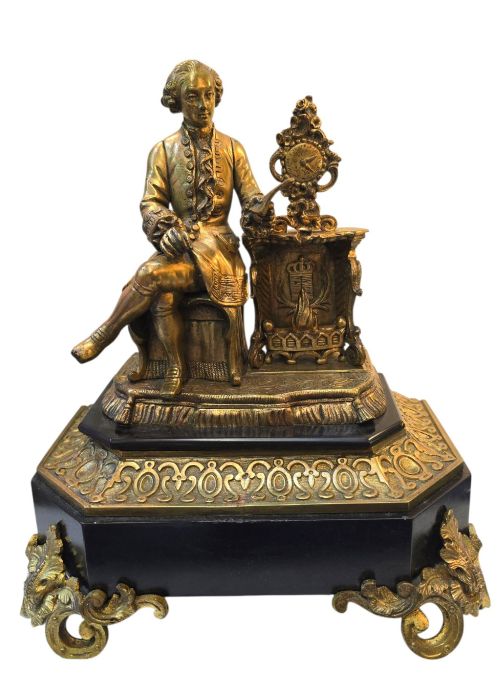
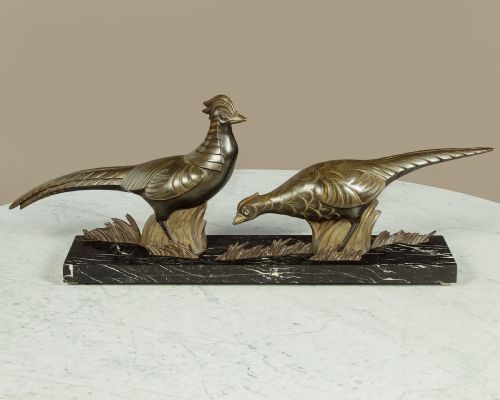
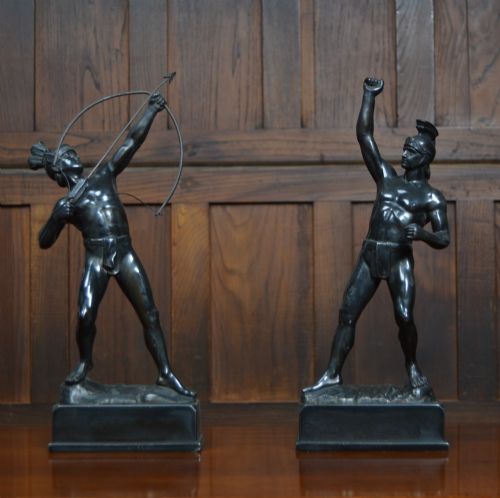
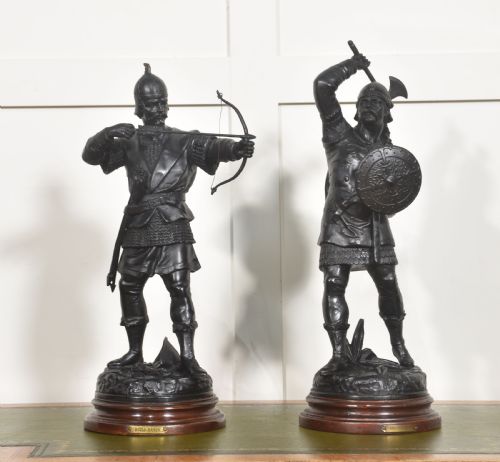
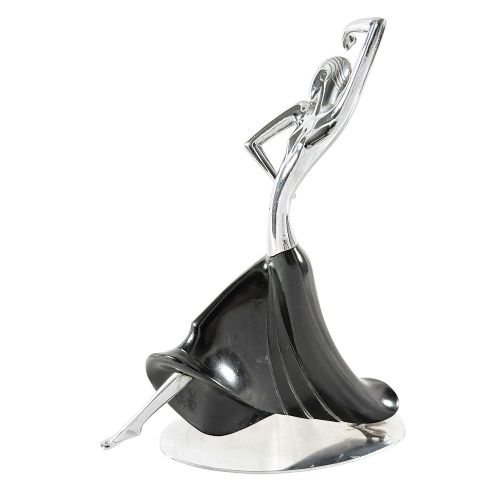
When you search for black metal figures, you encounter a diverse range of objects spanning the nineteenth and twentieth centuries. These pieces encompass decorative sculptures, animal figurines, doorstops, and paperweights created in styles from Victorian historicism to Art Deco and Egyptian Revival. The selection frequently includes patinated bronze, painted spelter, and cast iron works originating from French, British, and Austrian workshops.
You will notice that many of these works serve functional roles alongside their decorative purpose, such as doorstops modelled as figures or animals and heavy cast iron paperweights. Others are pure sculptural representations, including dancers, warriors, sphinxes, and dogs. The grouping combines domestic utilitarian items with cabinet bronzes and mantel sculptures.
Materials and Techniques
Foundry methods dictate the physical character of these pieces, utilising bronze, cast iron, and spelter as primary metallic mediums. Cast iron items utilise rigid moulds for utilitarian heaviness, while spelter and bronze allow for finer surface detail in figurative works. Many bronzes and spelter castings receive cold-painted or patinated surface treatments to achieve deep dark tones.
Mounts and integral plinths often incorporate secondary materials such as marble or glass to anchor the metal components. Cold-painting techniques apply pigment directly to the cooled metal surface, distinguishing certain figural works from chemically patinated examples.
Listings feature works spanning the nineteenth century, the Edwardian era, the 1930s Art Deco period, and later mid-century creations.
Assessing Quality and Execution
Surface finish and the preservation of original cold-painted or patinated treatments heavily influence the integrity of an object. The weight and solidity of the base materials, whether dense cast iron or heavy bronze, establish the physical substance of the piece.
Pierre le Faguays·Fabergé·P. Sega·Claire Colinet·Isidore Bonheur
The Black Metal Figures Glossary
- Spelter
- An alloy of zinc and lead often used as a less expensive substitute for bronze in decorative figures. It accepts patination and paint well but remains softer than bronze.
- Cold-painted bronze
- A technique where paint is applied to a bronze casting after it has been cast, rather than firing it into the surface. This finish can show characteristic wear over time.
- Patination
- The natural or chemical process that alters the surface colour of metal over time. In these figures, dark patination is intentionally induced to highlight the contours.
- Grand Tour
- A nineteenth-century tradition of collecting classical and Renaissance sculpture replicas while travelling Europe. These bronze reductions formed a staple of gentlemanly collections.
- Egyptian Revival
- A nineteenth and twentieth-century design style incorporating motifs from ancient Egypt such as sphinxes and shabtis. This aesthetic appears frequently in decorative metalwork and sculpture.
Black Metal Figures: Frequently Asked Questions
What metals are used in these figures?
The pieces utilise bronze, cast iron, and spelter as their primary metallic components. Each material imparts a distinct weight and surface texture to the finished object.
Foundries selected these metals based on the intended function and cost of the piece, ranging from robust iron doorstops to finely cast cabinet bronzes.
How do I care for cold-painted metal?
Cold-painted surfaces require gentle dusting with a dry microfibre cloth to protect the fragile pigment layers. Avoid liquid cleaners and harsh chemicals that lift the original paint.
Keep the pieces away from direct sunlight and damp environments to preserve the integrity of both the metal substrate and the surface finish.
What periods do these pieces represent?
The selection spans the nineteenth century through the mid-twentieth century, capturing shifts from Victorian historicism to Art Deco modernism. Pieces range from mid-nineteenth-century cast iron to 1930s avant-garde bronzes.
Stylistic markers such as Egyptian Revival motifs or sleek Art Deco silhouettes help anchor individual works within their specific decades.
Were these figures purely decorative?
While many examples function as pure sculptures, statues, or cabinet figures, a significant portion served domestic roles. Items like doorstops, bookends, and paperweights combined utility with sculptural form.
This crossover allowed everyday interiors to incorporate artistic metalwork into practical household accessories.