







Black Lacquered Vase
A black lacquered vase brings deep glossy surface and tonal depth to a room, offering striking contrast through dark finishes.
Black Lacquered Vase
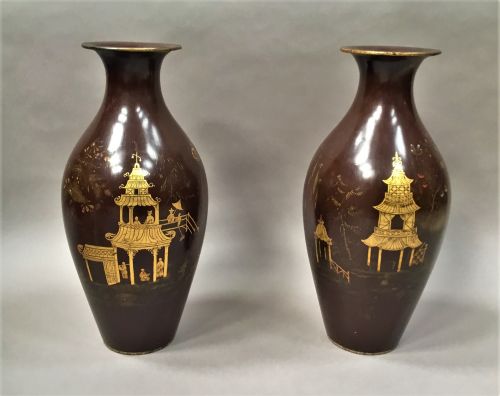
A black lacquered vase combines dark polished finishes with traditional forms, drawing on methods from various centuries. When you search for a black lacquered vase, you encounter pieces that range from Japanese porcelain bodies treated with lacquer over black paint to monumental Chinese export temple designs and nineteenth-century papier-mâché creations. These vessels display distinct origins, including Meiji period craftsmanship and European interpretations.
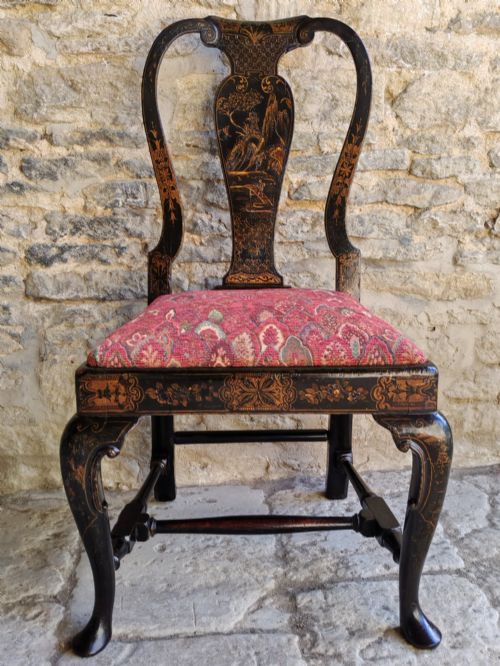
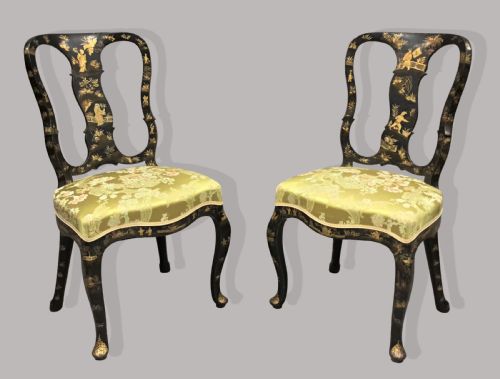
The objects on this page showcase a variety of scales, from moderate thirty-centimetre Japanese examples up to towering eighty-six-inch temple pieces. Forms include flared vessels and decorative urns, alongside related items such as side chairs that share the same dark decorative vocabulary. Each piece demonstrates how makers applied lustrous dark surfaces to diverse structural cores.
Materials and construction methods
The construction of these pieces relies on a combination of ceramic, wooden, or papier-mâché cores coated in dark finishes. Japanese pieces utilise porcelain or wood bases layered with black paint and additional lacquer, sometimes incorporating gold leaf or gilt details such as koi motifs. European examples employ papier-mâché or toleware treated with similar dark glossy finishes.
Makers integrated applied decoration directly into the surface, using lacquer panels, paint, and gilding to create visual texture. The physical structure dictates the weight and presence of each vessel, whether it is a delicate nineteenth-century papier-mâché body by a stamped maker or a heavy porcelain floor vase.
Black Lacquered Vase Retail Price Guide 2026
Typical asking prices for black lacquered vase among the pieces listed under this phrase on Sellingantiques today, from the lower quarter to the upper quarter. They describe what is for sale here now, not the wider market.
Listings feature items spanning the eighteenth and nineteenth centuries, utilising lacquer, porcelain, wood, gilt, and papier-mâché.
Distinctions in craftsmanship and finish
The standard of a black lacquered vase depends on the precision of the surface finish and the integrity of the underlying core. Superior examples exhibit smooth, deep gloss layers that have endured without extensive crazing, while lesser pieces show surface degradation or uneven application. The clarity of painted motifs and applied gilt decoration further separates standard production from finer output.
Origin and maker attribution also influence the character of each piece. Stamped nineteenth-century papier-mâché works or documented Meiji period porcelain vessels demonstrate distinct levels of workshop skill, where refined decorative detailing elevates the overall visual impact of the dark surface.
Jennens & Bettridge
The Black Lacquered Vase Glossary
- Lacquer
- A durable resin finish applied in multiple coats to create a hard, glossy surface. It protects the core material while providing a deep black background for decorative motifs.
- Japanned wood
- European wood furniture and objects finished in imitation of Asian lacquerwork. This technique involves layered varnishes and often incorporates raised metallic decoration.
- Toleware
- Painted or lacquered sheet metal items produced in various forms during the nineteenth century. The metal is treated to accept dark surface finishes and decorative painting.
- Papier-mâché
- A composite material made from paper pulp or layers of paper mixed with glue, pressed into moulds and dried. It forms a lightweight yet rigid base for dark lacquer finishes.
- Meiji period
- A historical Japanese era spanning from eighteen sixty-eight to nineteen twelve, known for distinctive ceramic and decorative arts exported to Western markets.
Black Lacquered Vase: Frequently Asked Questions
What is a black lacquered vase made of?
These vessels are constructed from diverse materials including porcelain, wood, papier-mâché, and metal. Artisans applied successive coats of dark paint and lacquer to these structural cores.
Surface enrichment often includes gold leaf, paint, and gilt highlights. The resulting combination creates a durable, glossy finish that defines the appearance of the piece.
How do I date a black lacquered vase?
Dating relies on examining the core material, manufacturing technique, and stylistic markers such as nineteenth-century Japanese motifs or European chinoiserie patterns. Stamp marks from known workshops also provide clear chronological reference points.
Comparing the physical construction methods with documented periods helps establish when an object was produced. Structural details often reveal the specific traditions employed by the maker.
Where were these vases made?
The pieces originate from multiple regions, encompassing Japanese porcelain production, Chinese export workshops, and European manufacturing centres. Each geographical tradition brings distinct forms and decorative vocabularies to the dark finish.
Asian examples frequently feature porcelain bodies with lacquer over-paint, while European interpretations utilise materials like papier-mâché and toleware. This regional diversity shapes the variety of objects available.
How should I clean a black lacquered vase?
Maintenance requires gentle dusting with a soft, dry cloth to prevent scratching the glossy surface. Avoid harsh chemical cleaners or abrasive materials that can damage the delicate layers of lacquer and paint.
Keeping the object away from direct sunlight and extreme humidity preserves the integrity of the finish. Proper care ensures the dark surface retains its depth and reflectivity over time.