




19th Century Lacquerware
These 19th century lacquerware pieces combine layered resins and intricate gilding, offering rich textures and historic regional artistry for your interior.
19th Century Lacquerware
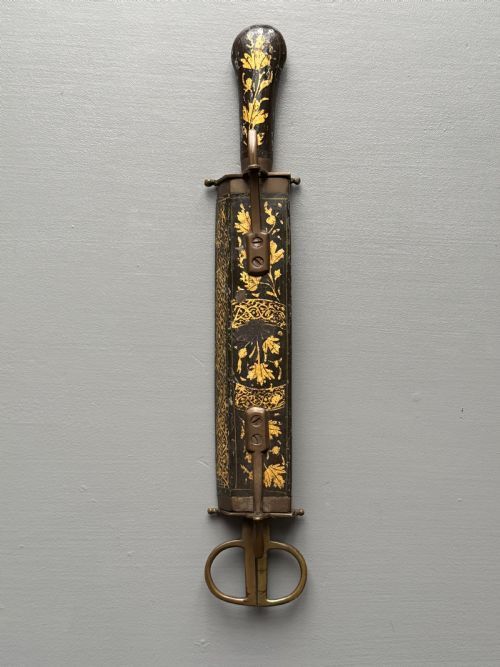
When searching for 19th century lacquerware, collectors encounter a diverse range of objects originating from Chinese, Japanese, Kashmiri, Persian, and European workshops. These pieces span utilitarian and decorative forms, including cabinets, boxes, vases, tables, and trays.
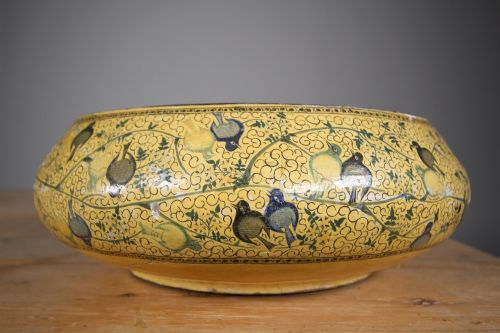
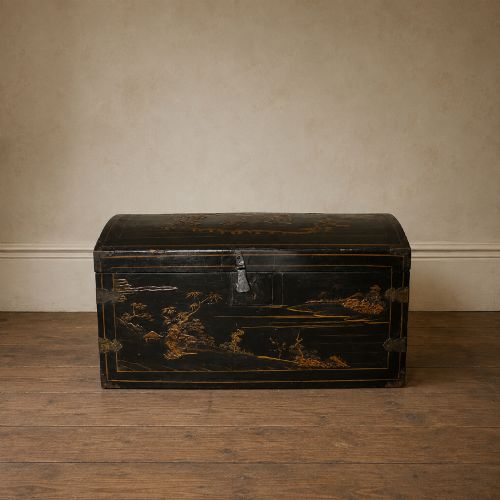
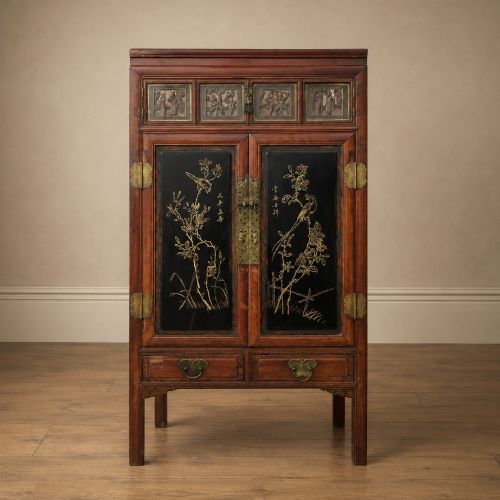
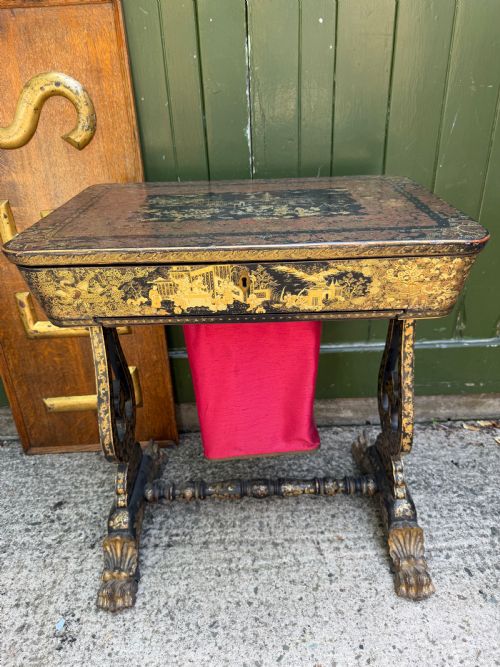
The objects seen here most frequently are Chinese export items, particularly black lacquer sewing tables, cabinets, and chests decorated with gilt motifs. Alongside these, Kashmiri vessels, Japanese porcelain pieces with lacquer over-paint, and Persian Qajar boxes appear regularly.
Makers utilised various regional styles such as Qing Dynasty, Meiji period, and Chinoiserie, resulting in distinct visual traditions. Items range from large furniture like demi-lune tables and trunks down to smaller decorative objects like tea caddies, hand fans, and scribe tools.
How they were made
Wood and papier-mâché serve as the primary foundational materials for shaping these items, providing stable substrates for subsequent resin applications. Artisans built up multiple layers of lacquer to create smooth, durable surfaces capable of receiving detailed carving and paint.
Gold leaf and gilt decoration feature prominently across Chinese export wares and Kashmiri pieces, applied meticulously to contrast against black or red lacquer grounds. Hand-painting and coloured enamel work complete the surface designs, showcasing traditional regional techniques from the period.
German makers produced concealed erotic snuff boxes in the manner of Stobwasser around eighteen-twenty.
What varies in quality
The refinement of the surface preparation and the depth of the lacquer layers distinguish finer examples from simpler production pieces. Skilled workshops achieved smoother finishes and more resilient coats through patient application and polishing.
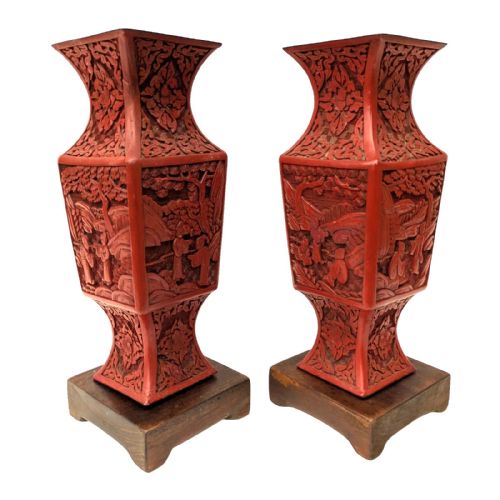
The precision and complexity of the hand-painted or carved decoration dictate the artistic merit of each object. Crisp detail in gilt motifs, cinnabar carving, or figural scenes indicates a higher grade of craftsmanship.
The 19th Century Lacquerware Glossary
- Cinnabar lacquer
- A carved red lacquer technique utilising mineral pigments derived from mercury sulphide. Artisans built up thick layers before carving detailed floral or figural patterns into the surface.
- Papier-mâché
- A composite material made from paper pulp or reinforced paper sheets mixed with binding agents. It was moulded into boxes, trays, and panels before receiving a lacquer coating.
- Chinoiserie
- European decorative style reflecting Chinese artistic influences. Artisans applied these motifs to furniture and decorative objects during the period.
- Export ware
- Items manufactured specifically for international markets outside the country of origin. Chinese export lacquerware frequently combined traditional techniques with Western furniture forms.
- Shodana
- A traditional Japanese display cabinet featuring asymmetrical shelving. These pieces often incorporated detailed lacquer finishes typical of the Meiji period.
19th Century Lacquerware: Frequently Asked Questions
How do I clean antique lacquerware?
Dust surfaces gently using a soft, dry cloth without applying water or chemical cleaning products. Moisture can damage fragile historic finishes and lift delicate gilt details.
Keep pieces away from direct sunlight and high humidity to prevent the underlying wood or papier-mâché from warping and cracking.
What is Chinese export lacquerware?
Chinese export lacquerware refers to items produced in China specifically for Western buyers during the eighteenth and nineteenth centuries. These workshops adapted traditional techniques to suit European tastes, creating items like sewing tables and tea caddies.
Such pieces often feature distinct black and gold lacquer finishes depicting landscapes, figures, and floral motifs.
How do I tell Japanese and Chinese lacquer apart?
Japanese lacquerware from this era frequently incorporates specific regional styles such as Meiji period work, utilising refined metallic powders and varied surface textures. Chinese items often display deeper carved cinnabar or distinct export motifs in black and gold.
Examining the underlying core material and the specific pigment palette helps clarify the geographic origin of the piece.
Were these items used daily?
Many objects, such as sewing tables, writing desks, and tea caddies, served functional roles in nineteenth-century households. Others, including decorative panels and vases, functioned primarily as display pieces.
Their survival depends on how carefully previous owners handled and maintained these functional items over the decades.