
Black Lacquer Box
When you handle a black lacquer box, you are holding centuries of painstaking craftsmanship, from Victorian papier-mâché to intricate Japanese Meiji export pieces.
Black Lacquer Box
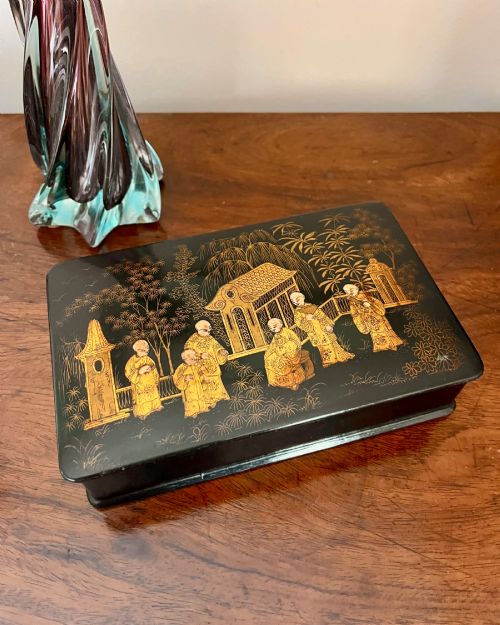
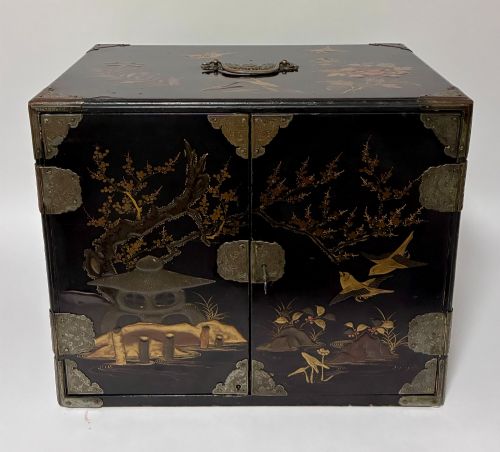
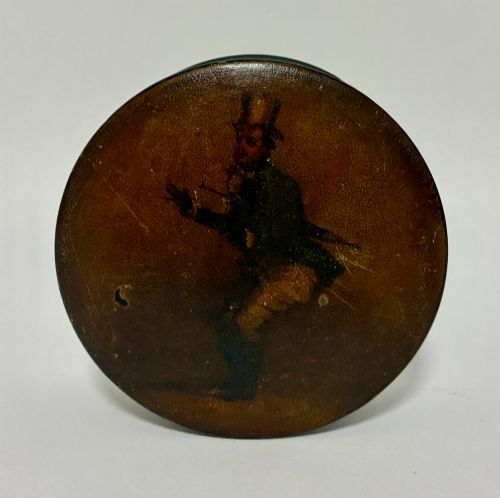
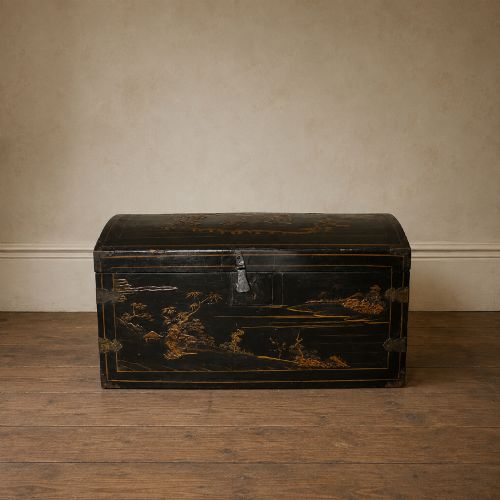
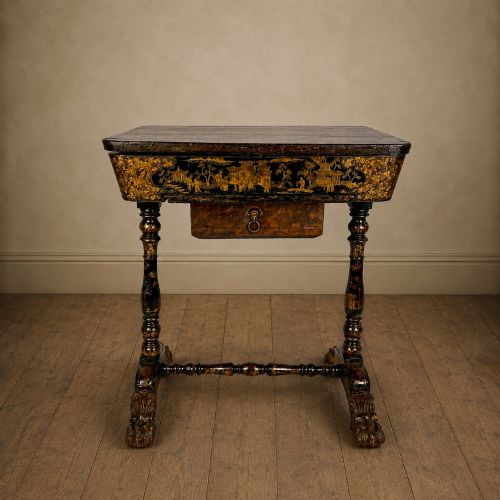
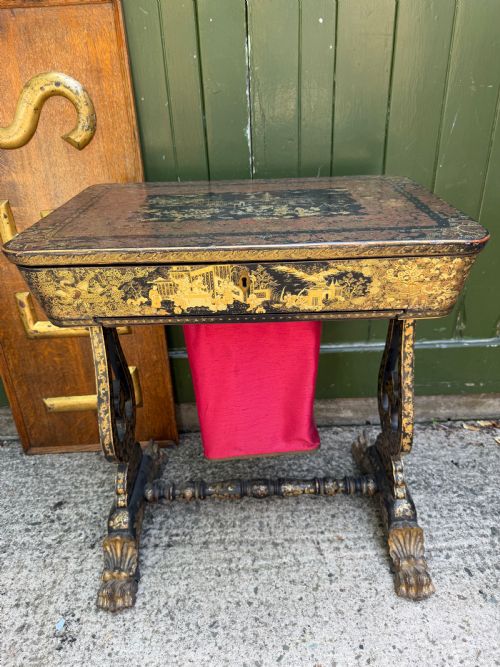
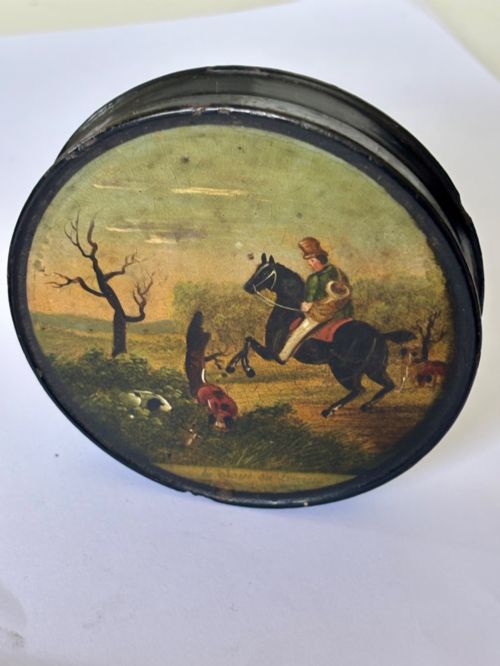
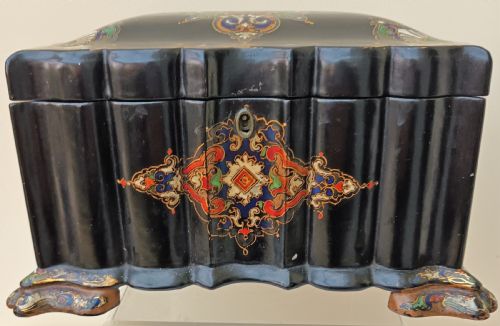
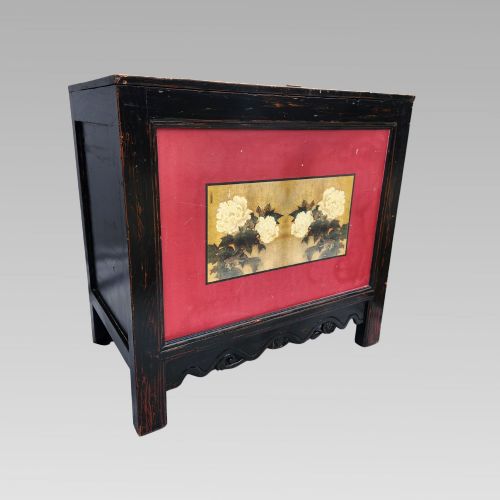
A black lacquer box encompasses a wide variety of forms designed for storage, writing, and display, originating from workshops in Britain, continental Europe, Russia, and East Asia. The selection spans utilitarian containers such as tea caddies, snuff boxes, and stationery cases to larger decorative trunks and table cabinets.
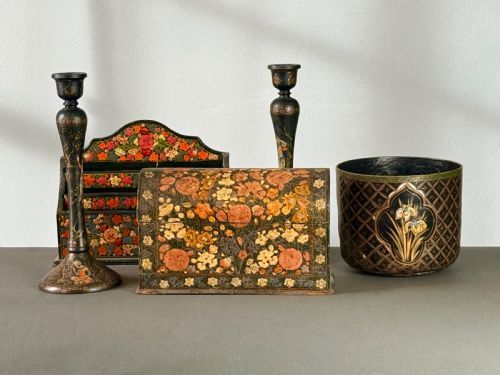
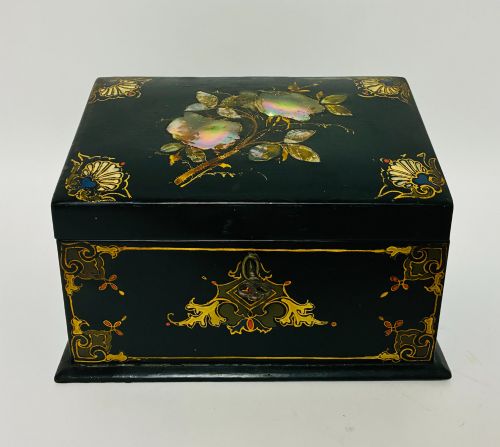
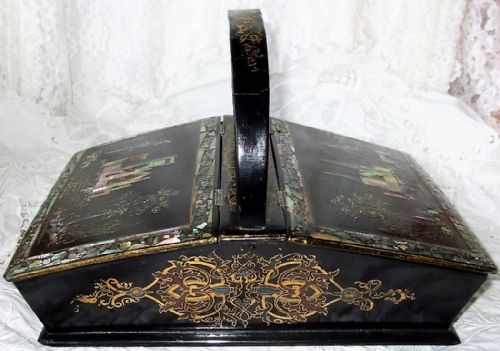
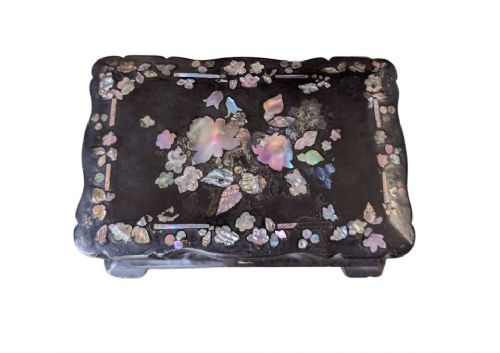
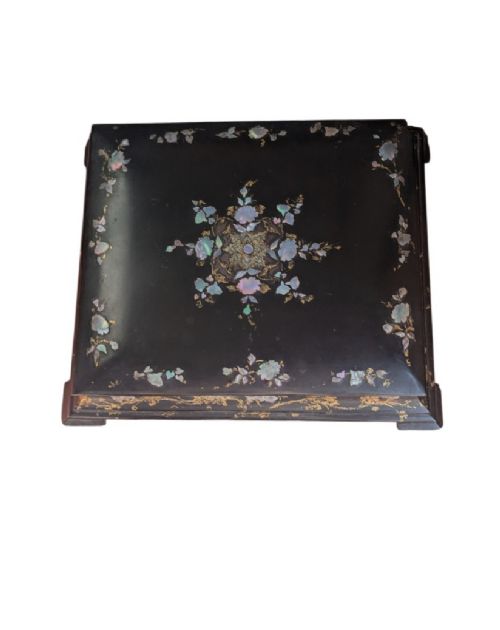
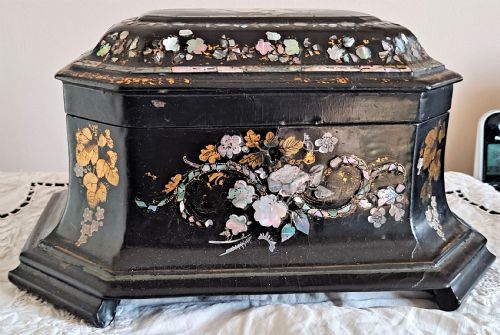
You will most frequently encounter 19th-century papier-mâché pieces decorated with mother-of-pearl inlay or hand-painted floral motifs, alongside Chinese export and Japanese Meiji period lacquerwork. These items served distinct domestic purposes in period interiors, functioning as sewing boxes, letter racks, and delicate trinket containers.
Materials and construction
The foundation of these pieces relies on carefully prepared wood, papier-mâché, or pressed pulp, which provided a stable base for multiple layers of dark resin, varnish, or lacquer. Artisans built up the signature deep surface through repeated applications of coating and polishing.
Decoration was achieved using gold leaf, paint, and metallic powders, often combined with mother-of-pearl inlay to create high-contrast pictorial scenes. East Asian examples frequently utilised traditional lacquer techniques, while European makers adapted papier-mâché and penwork to mimic oriental styles.
Black Lacquer Box Retail Price Guide 2026
Typical asking prices for black lacquer box among the pieces listed under this phrase on Sellingantiques today, from the lower quarter to the upper quarter. They describe what is for sale here now, not the wider market.
Listings span the 18th, 19th, and early 20th centuries, encompassing Georgian, Regency, Victorian, and Meiji periods.
Evaluating craftsmanship
The distinction between standard pieces and exceptional examples rests in the depth of the surface finish and the precision of the ornamentation. Superior items display meticulous hand-painted detail, secure joinery, and intact inlay without lifting or cracking.
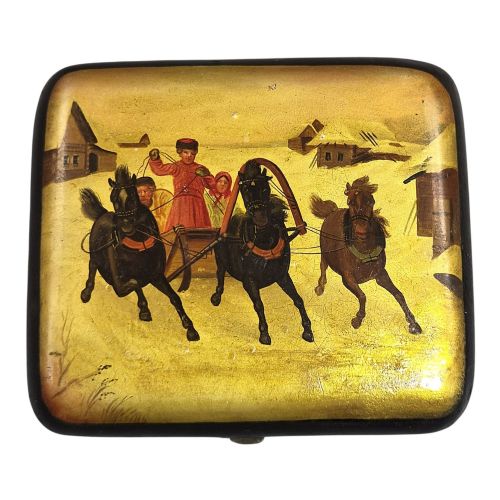
Origin and workshop attribution heavily influence standing, particularly with signed Russian papier-mâché pieces or documented Japanese export items featuring complex gold application. The crispness of carved details in carved lacquer or the delicacy of penwork reveals the skill of the original maker.
Vishnyakov Workshop·Stobwasser·Heian Zohiko
The Black Lacquer Box Glossary
- Papier-mâché
- A composite material made of paper pulp or reinforced paper layers, pressed and varnished to form rigid boxes and trays. It was extensively used by Victorian makers for stationery cabinets and snuff boxes.
- Chinoiserie
- European decorative style inspired by Chinese artistic traditions, featuring whimsical landscapes and figures. It is commonly found on 18th and 19th-century English tea caddies and furniture.
- Mother-of-pearl
- The iridescent inner layer of certain mollusc shells, sliced thin and embedded into lacquer surfaces for decorative contrast. This technique appears frequently on Victorian boxes.
- Penwork
- A meticulous decorative technique utilising ink drawing on a prepared surface, sealed with a clear varnish. It is characteristic of Regency period boxes.
Black Lacquer Box: Frequently Asked Questions
Were these boxes used for tea storage?
Many examples from the Georgian and Victorian eras function specifically as tea caddies, featuring internal compartments or foil linings to keep dry leaves fresh. Wealthy households kept these caddies locked in the parlour.
Other boxes were dedicated to stationery, sewing implements, or tobacco, reflecting the specific domestic rituals of their time.
How can I tell Japanese export pieces apart?
Japanese pieces from the Meiji period often display distinctive motifs such as cranes, samurai helmets, or landscapes rendered in gold takamaki-e. The lacquerwork tends to feel deep and durable.
In contrast, European papier-mâché items usually have a lighter weight and employ different binder materials beneath the painted surface.
What is the difference between a tea caddy and a coffer?
A tea caddy is a smaller container designed exclusively for storing loose tea leaves, often fitted with internal lids and mixing bowls. They sit easily on tabletops and sideboards.
A coffer or trunk is a substantially larger storage chest meant for garments, documents, or valuables, possessing structural reinforcement for heavier loads.