


Black Framed Mezzotint
A black framed mezzotint brings together tonal depth and period portraiture within traditional timber mouldings.
Black Framed Mezzotint
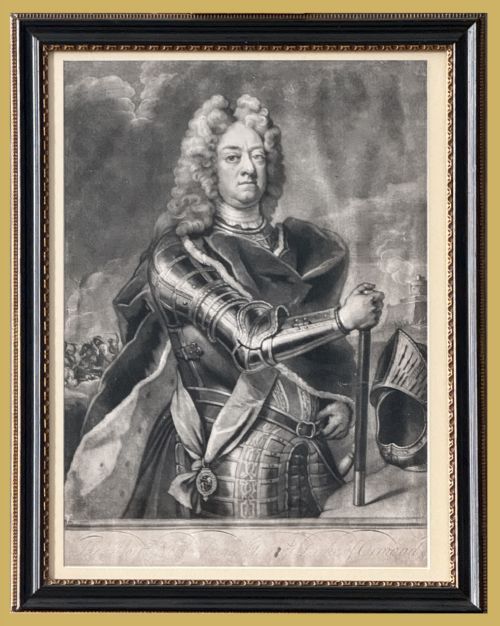
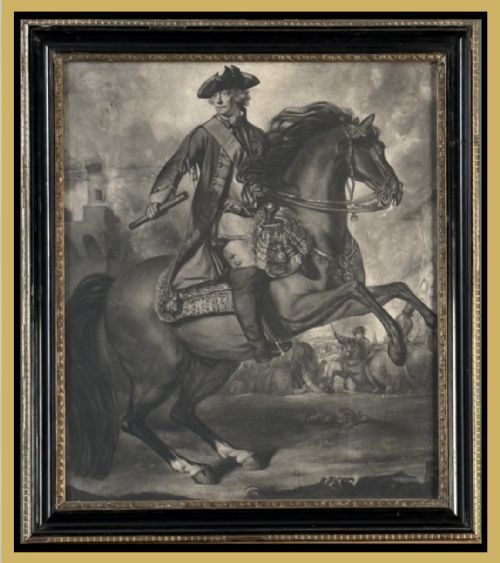
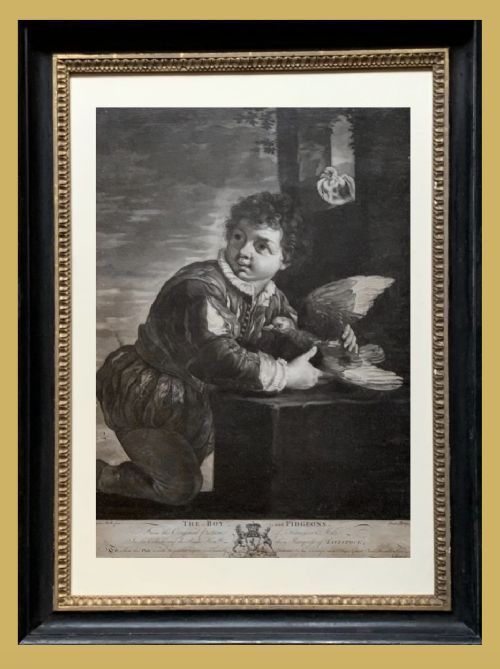
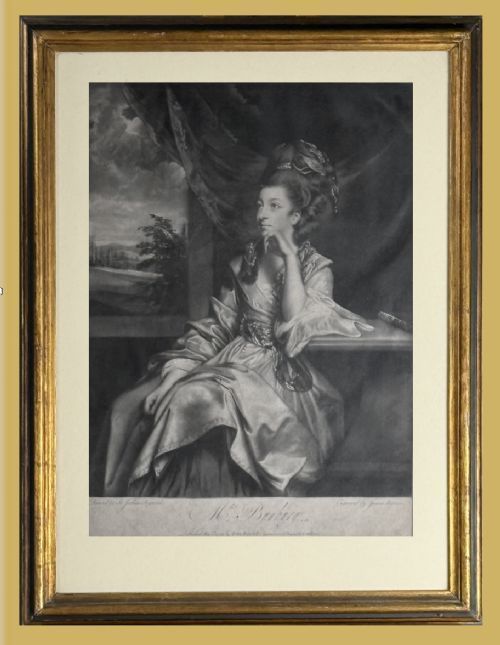
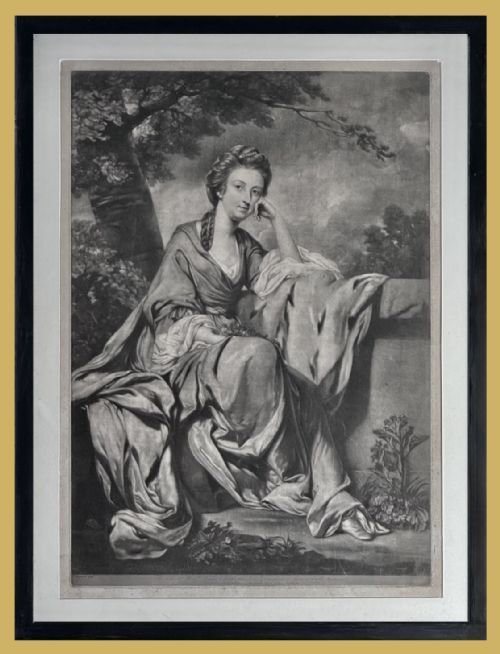
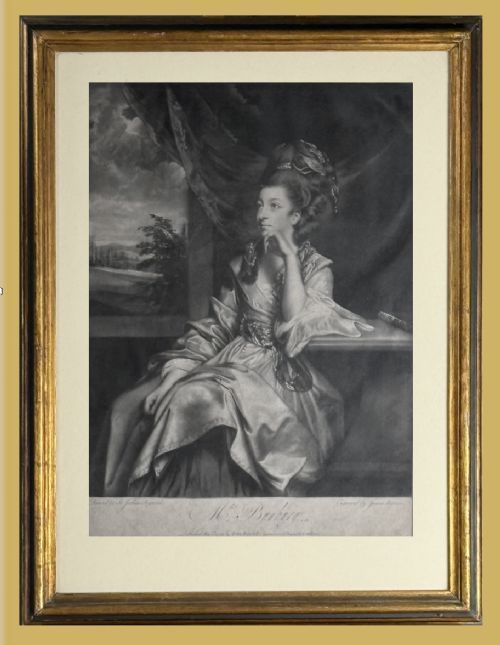
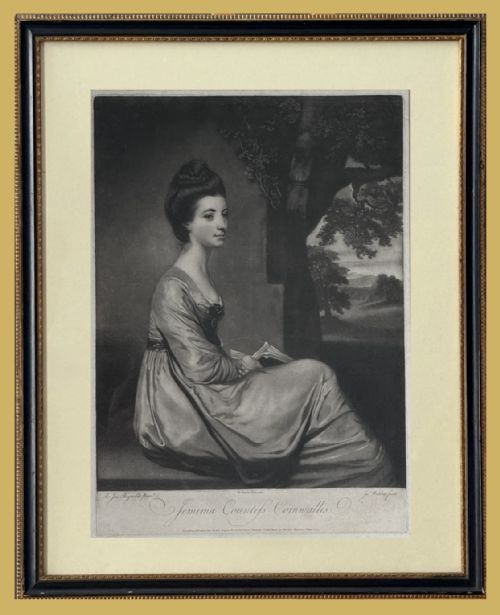
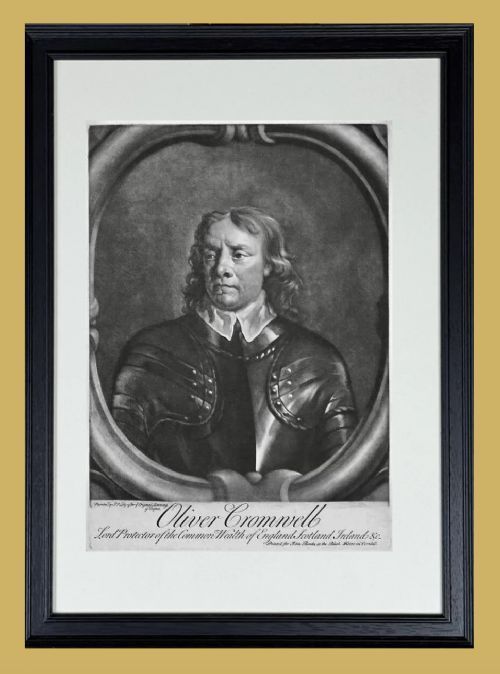
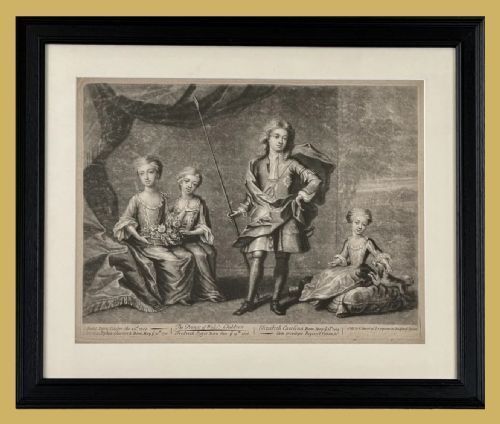
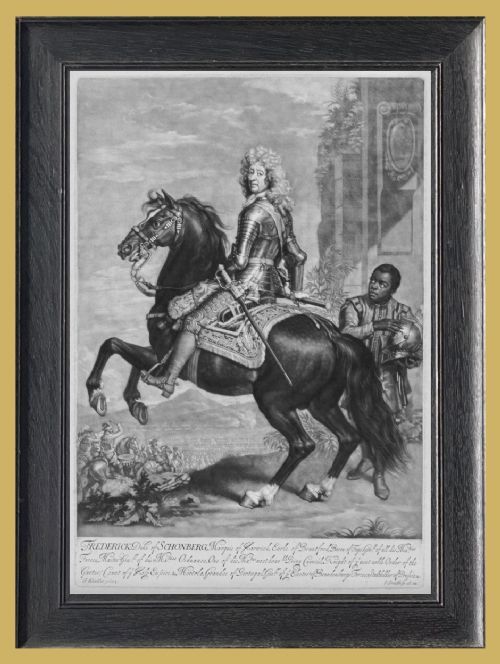
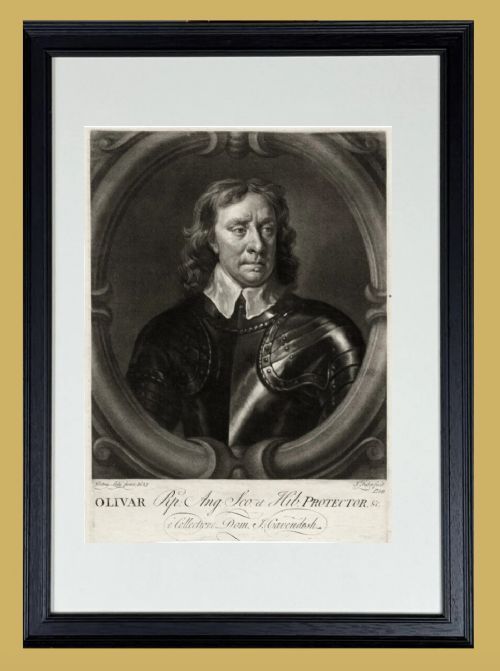
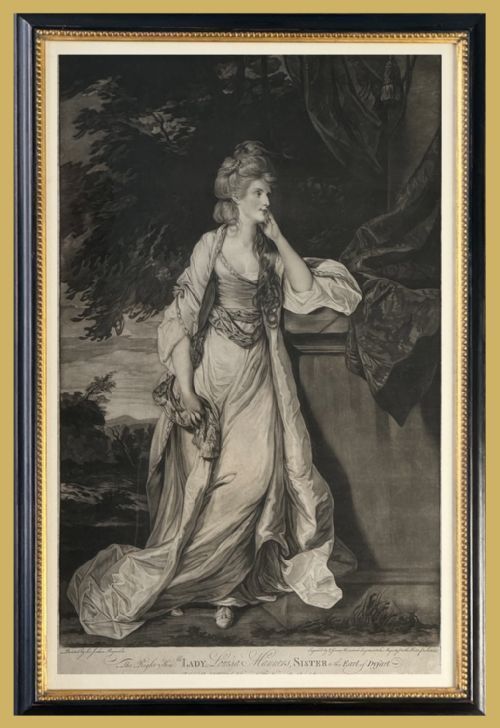
A black framed mezzotint comprises historical printed works housed in dark wooden surrounds, often dating from the seventeenth, eighteenth, and nineteenth centuries. These pieces predominantly take the form of portraiture and figurative wall art originating from British printmaking traditions.
The selections available include works by notable engravers reproducing paintings by prominent artists such as Sir Joshua Reynolds and Sir Godfrey Kneller. Examples range from individual plates depicting nobility and historical figures to complete sets representing allegorical themes.
Framing styles span Georgian, Regency, and Baroque aesthetics, with many examples utilising reverse glass techniques alongside standard paper supports. Buyers encounter both single decorative plates and matched pairs or sets intended for wall display.
Materials and construction
The production process relies on copper plates roughened with a rocker to create a burr that holds ink for deep tonal gradations, printed onto paper or applied beneath glass. Artisans smoothed areas to produce highlights, transferring compositions originally painted by master artists.
Encasing the works involves wood frames finished in black pigment, occasionally accented with gold leaf or gilt details to highlight the moulding profiles. Glazing protects the delicate inked surfaces from environmental damage over centuries.
Listings feature works spanning the seventeenth to nineteenth centuries, utilising paper, glass, wood, and gold leaf.
Evaluating print and frame condition
Quality depends upon the crispness of the impression and the depth of the tonal range achieved during the scraping of the copper plate. Early impressions exhibit rich velvety blacks and clear details, whereas worn plates yield greyer, flatter results.
The integrity of the framing and the preservation of the original paper or reverse glass surface significantly influence the overall standard. Intact early frames and well-maintained pigments without excessive fading represent the higher tier of surviving examples.
John Simon·Edward Fisher·John Boydell·James Watson·John Smith·Valentine Green·Robert Sayer·Thomas G Appleton
The Black Framed Mezzotint Glossary
- Mezzotint
- An intaglio printmaking process where the copper plate is systematically roughened and then scraped to produce tones rather than lines. This technique allows for subtle gradients of light and shadow.
- Reverse glass
- A method where the image is painted or printed directly onto the rear side of a glass panel for viewing from the front. This process imparts a glossy finish and distinctive luminosity.
- Intaglio
- A category of printmaking where ink is held within incised grooves or textured areas below the surface of the plate. Pressure transfers the ink to damp paper during the printing press operation.
- Gilt wood
- Timber framing enhanced with a thin layer of gold leaf or metallic gilt applied over a prepared base. It provides contrast against black painted mouldings.
- Plate mark
- The indentation left on the paper by the edges of the metal printing plate under pressure. Its presence confirms an authentic historical impression.
Black Framed Mezzotint: Frequently Asked Questions
How do I hang a black framed mezzotint safely?
Secure the piece using appropriate wall fixings that match the weight of the timber frame and glass. Hang the artwork away from direct sunlight to protect the ink and paper from fading.
Ensure the hanging wire or brackets on the back of the frame are firmly attached. Period frames often require professional assessment before mounting to verify structural stability.
What is the difference between paper and glass mezzotints?
Paper mezzotints involve ink transferred from a copper plate onto a sheet, offering a matte texture. Reverse glass examples place the visual work behind glass panels, creating a reflective surface.
Both formats require careful environmental controls to prevent moisture accumulation. Glass-fronted pieces need special attention to avoid condensation forming on the inner side.
How can I tell the period of the frame?
Period frames exhibit specific moulding profiles and joinery techniques characteristic of Georgian, Regency, or Baroque craftsmanship. Examination of the timber type and finish reveals historical manufacturing methods.
Original frames often show age-related wear to the black pigment and gilt highlights. Replacements may lack the patina and construction nuances found on seventeenth and eighteenth-century surrounds.
What subjects are most common in these prints?
Portraits of aristocracy, military leaders, and literary figures dominate the output of eighteenth-century printmakers. These works recorded famous paintings for domestic display.
Allegorical scenes and sets depicting themes such as the seasons also appear frequently. Collectors often seek out specific historical personalities or companion pairs.