


Black and White Wall Art
Black and white wall art brings tonal depth and historical character to a room through centuries of printed, drawn, and painted monochrome works.
Black and White Wall Art
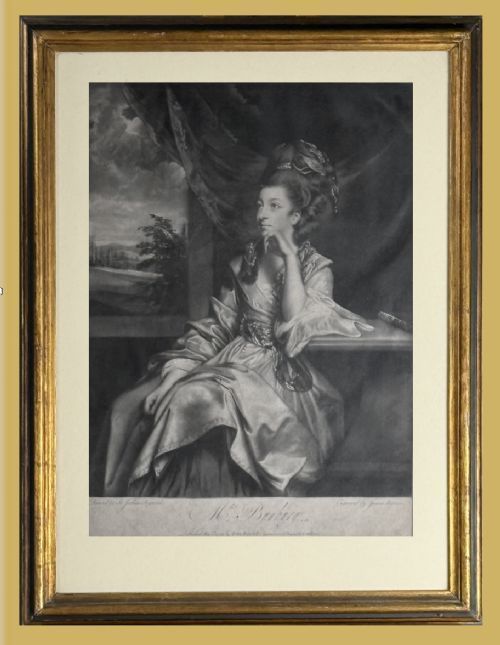
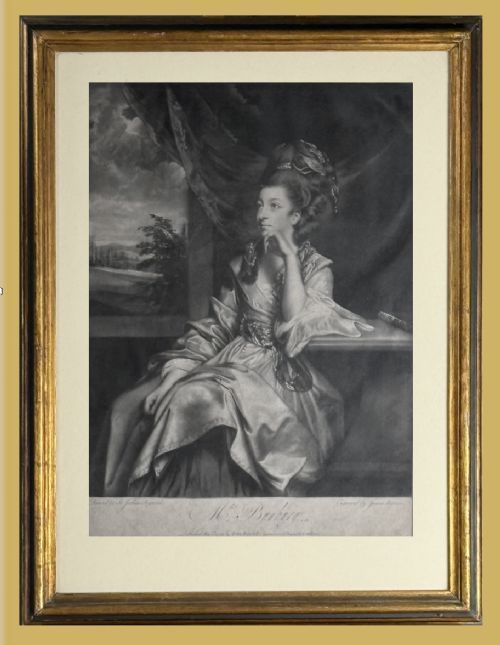
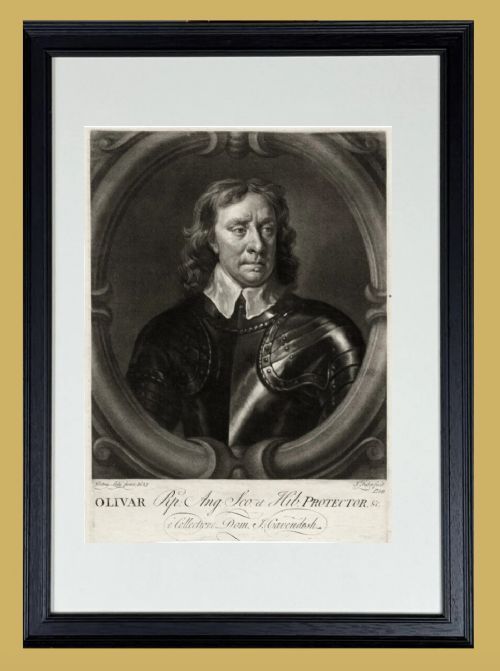
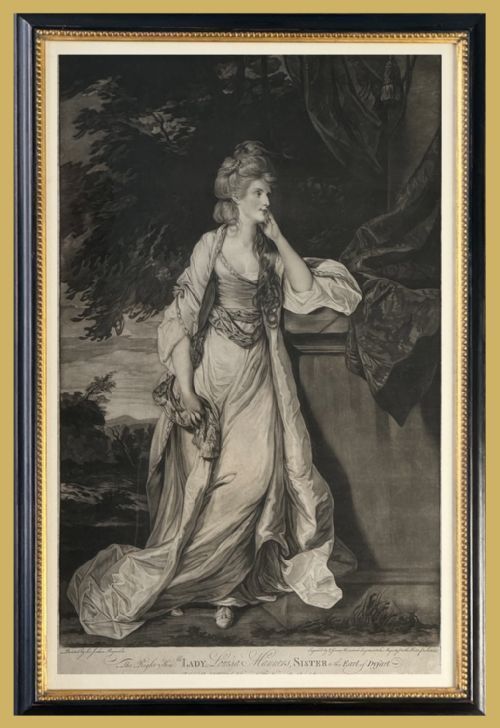
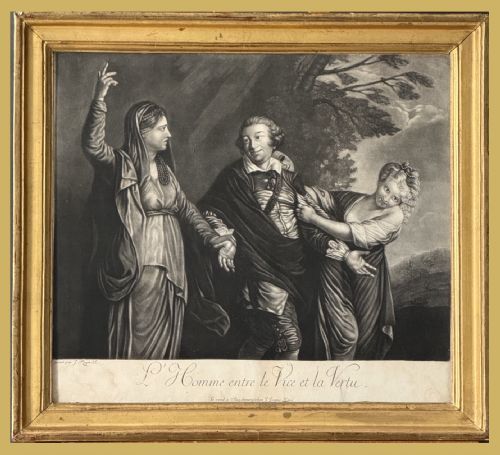
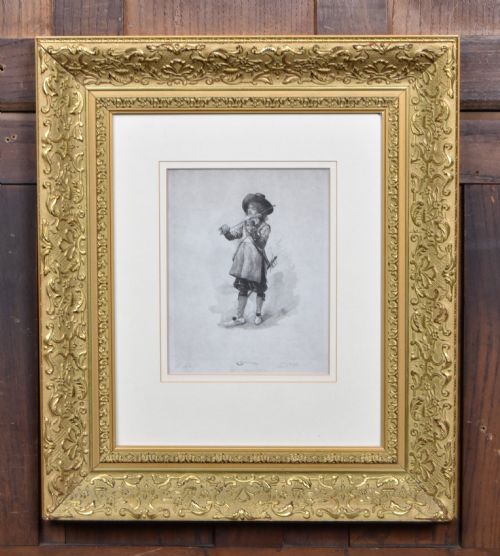
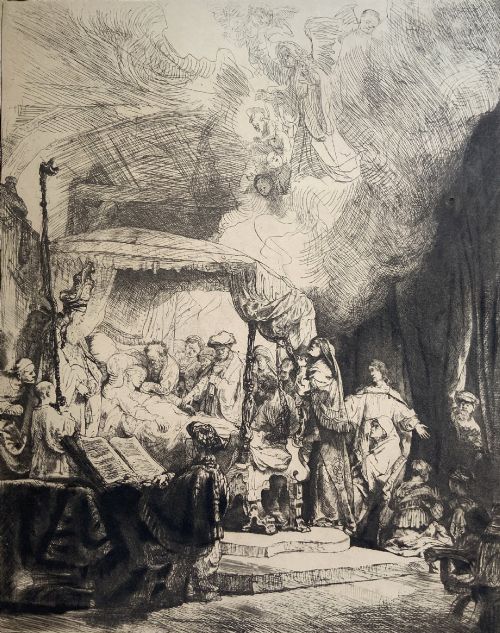
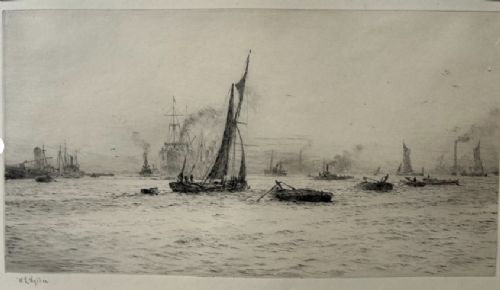
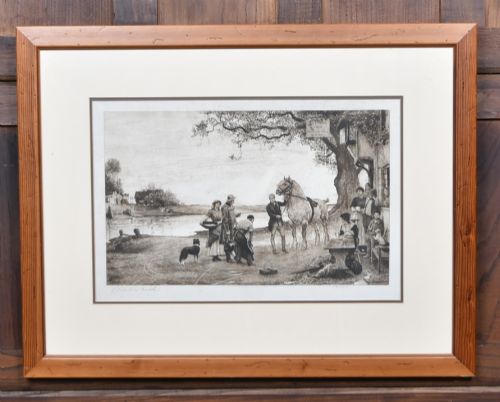
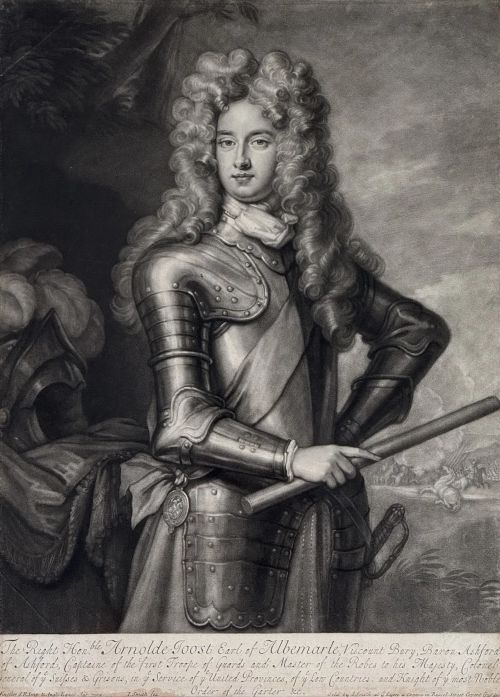
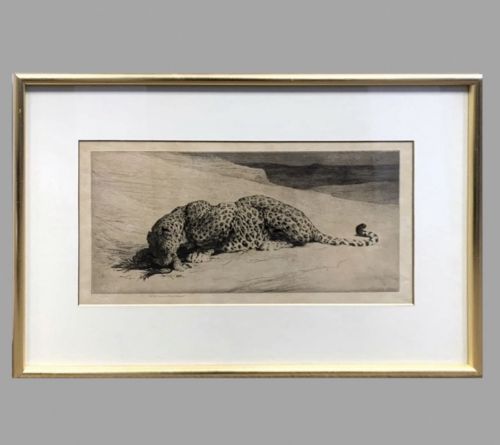
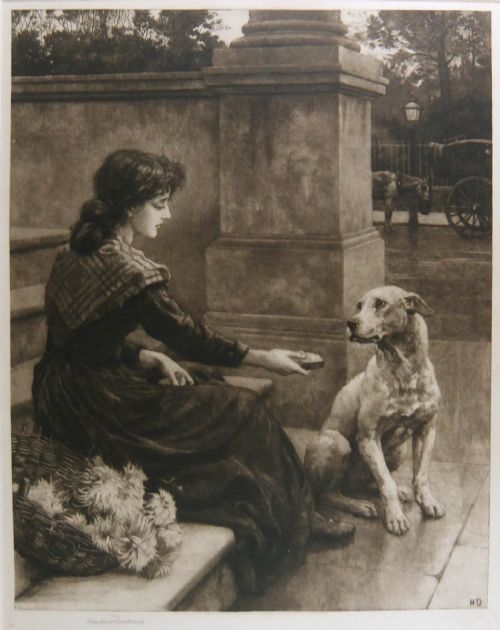
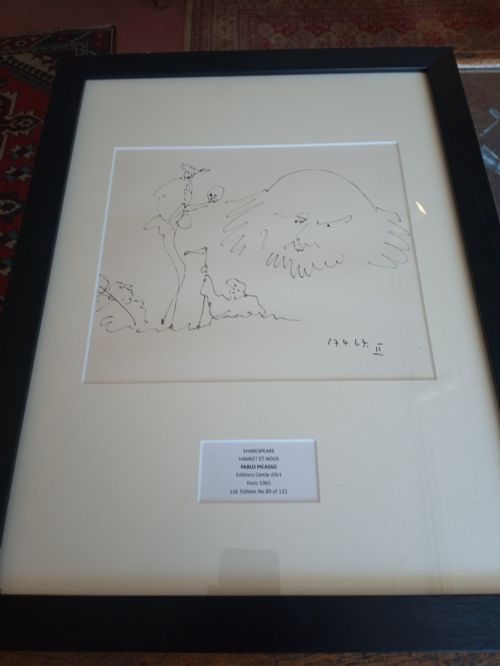
When buyers search for black and white wall art, they encounter a diverse selection spanning from the seventeenth century through to the mid-twentieth century. The category encompasses framed prints, etchings, engravings, mezzotints, and monochrome photographs mounted behind glass. Portraiture, classical subjects, architectural scenes, and animal studies dominate the available selection.
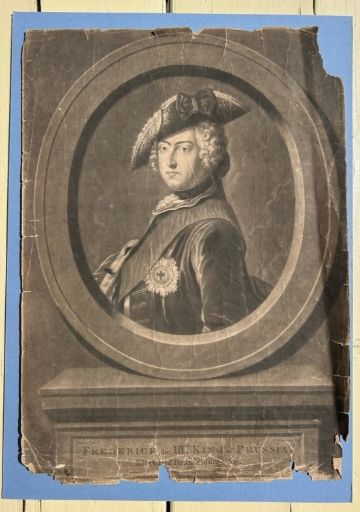
Mezzotints and engravings from the eighteenth century represent a substantial portion of the works, often translating famous painted portraits and historical events into detailed tonal prints. Later nineteenth-century etchings and early twentieth-century signed proofs bring a different texture to the walls, utilising precise ink lines on aged paper.
Mid-century prints and abstract works also appear, showing how monochrome imagery evolved from classical portraiture and narrative illustration toward modernist compositions. Original frames, sometimes gilt wood or simple timber mouldings, frequently accompany these pieces, preserving their period context.
Materials and Techniques
The physical construction of these works relies fundamentally on paper, ink, and glass, supported by wooden frames finished with gilt or plain timber. Mezzotints and engravings involve metal plates incised by hand, holding ink that transfers under pressure to create subtle gradients of tone.
Etchings and drypoints employ acid biting or direct scratching on copper or zinc plates, yielding fine, expressive lines signed by artists on heavy paper sheets. Photographic works utilise light-sensitive paper emulsions, while oil paintings on canvas apply pigment monochrome directly to woven supports.
Listings feature works spanning the seventeenth century through to mid-century modern abstracts, executed in engraving, etching, and oil on canvas.
Evaluating the Works
Quality in these monochrome works rests upon the clarity of the impression and the fidelity of the plate transfer. Early print impressions retain crisp contrasts and delicate tonal gradations that fade in later or worn editions.
The condition of the paper substrate and the presence of original artist signatures or period framing elevate certain pieces above standard decorative prints. Hand-pulled etchings with rich ink saturation display a depth of line absent in standard mechanical reproductions.
James Watson·John Smith·Herbert Dicksee·William Hogarth·Pablo Picasso
The Black and White Wall Art Glossary
- Mezzotint
- A printmaking process where the copper plate is roughened uniformly to produce rich dark tones, then scraped to create lighter areas. This technique allows for subtle gradients and velvety shadows.
- Etching
- A method where metal plates are coated with an acid-resistant ground, drawn through with a needle, and then submerged in acid to bite the design. The resulting lines hold the ink for printing onto paper.
- Drypoint
- An intaglio printmaking technique where an artist scratches directly into a metal plate with a sharp needle. This creates a raised ridge of metal called burr, which gives the printed lines a soft, velvety appearance.
- Engraving
- A process of cutting lines directly into a hard metal plate using a sharp steel tool called a burin. The resulting image offers clean, precise lines and sharp tonal contrasts.
- Giltwood
- Wood carved and coated with a thin layer of gold leaf or gold paint. It frequently appears on traditional frames enclosing historical prints and oil paintings.
Black and White Wall Art: Frequently Asked Questions
How should I frame antique black and white art?
Selecting a frame depends on the period of the work and the material of the print. Simple timber or gilt wood mouldings that match the era help protect the paper behind glass while maintaining historical context.
Keeping the artwork away from direct sunlight prevents the ink and paper from fading over time. Acid-free mounts ensure the paper does not degrade against the backing board.
How do I distinguish an etching from an engraving?
An etching relies on acid to bite the lines into the metal plate, producing softer, more fluid strokes created by the artist's hand. An engraving uses a sharp tool to cut directly into the metal, resulting in crisp, precise lines with tapered ends.
Examining the lines under a magnifying glass reveals the rounded furrow of an etching compared to the clean-cut trench of an engraving.
Are these prints original period pieces?
Many listings feature original prints produced during the active period of the artist or engraver, such as eighteenth-century mezzotints and nineteenth-century etchings. Each listing specifies the manufacturing era and medium to clarify the age of the piece.
Signatures, plate marks, and paper watermarks often assist in confirming the period origin of older works.
What is a signed artist proof?
An artist proof is an impression pulled from the printing plate outside of the standard numbered edition, traditionally reserved for the creator's personal review. Signed proofs bear the autograph of the artist below the image, indicating direct oversight of the printing quality.
These versions hold particular interest for collectors due to their direct association with the printmaker.