





Black Framed Glass Print
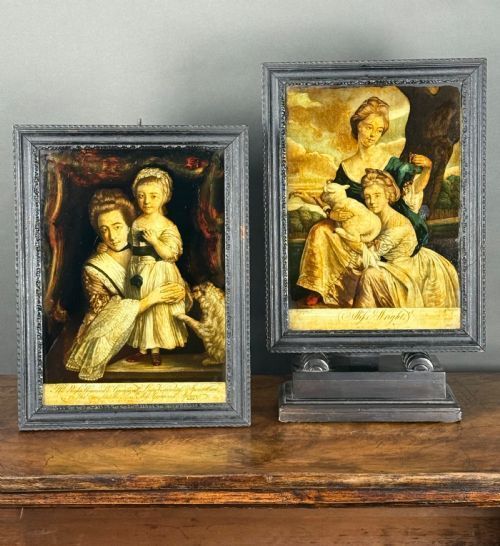
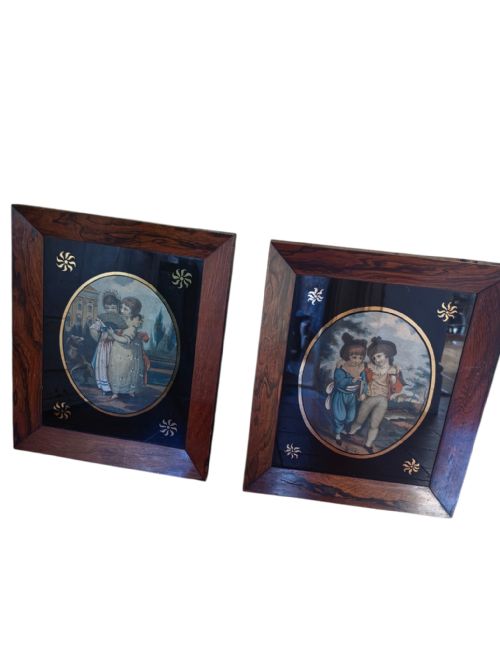
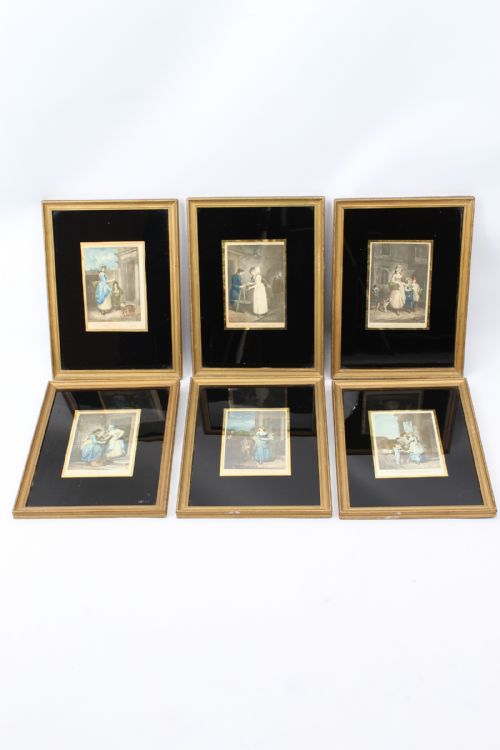
These black framed glass print works combine delicate reverse painting and mezzotint techniques with dark wooden surrounds to bring historical portraiture and narrative scenes into a room.
Black Framed Glass Print
A black framed glass print captures fine detail behind a protective panel of glass, often utilising the reverse glass painting technique where pigment is applied directly to the reverse side before being viewed from the front.
The pieces on this page span several eras including the Georgian, Regency, and Victorian periods, alongside later twentieth-century interpretations.
Buyers will encounter various subjects ranging from equestrian sporting art and classical portraiture of figures like Princess Caroline and Queen Anne to pastoral scenes and allegorical representations of the seasons.
Materials and construction
Makers utilised glass, paper, oil paint, and pigment, frequently combining mezzotint or engraving methods with hand-applied colour beneath the glass panel.
Frames are constructed from wood, including rosewood and giltwood variations, often finished with gold leaf accents to complement the dark borders.
Black Framed Glass Print Retail Price Guide 2026
Typical asking prices for black framed glass print among the pieces listed under this phrase on Sellingantiques today, from the lower quarter to the upper quarter. They describe what is for sale here now, not the wider market.
Dogs occasionally sneak into these historical domestic scenes, watching quietly from the corner of a gentleman hunter portrait.
Factors of quality
Quality rests upon the crispness of the original mezzotint line work and the skill involved in the reverse glass painting, where pigment application requires immense precision without room for correction.
The integrity of the early glass panel and the preservation of the original wooden frame significantly influence the overall character of each piece.
Sebastiaan Vrancx·Fletcher·Robert Sayer·Abraham Cooper·Henry Corbould
The Black Framed Glass Print Glossary
- Reverse glass print
- An image applied to the back of a glass sheet so the viewer sees it through the front. This technique produces a characteristic glossy finish.
- Mezzotint
- A printmaking process where the copper plate is roughened to achieve rich tones and subtle gradations of light and dark. It pairs effectively with reverse glass techniques.
- Eglomise
- A method of applying gold or metal leaf to glass combined with painting. It creates a reflective, mirrored border around historical prints.
- Giltwood
- Wood carved and covered with a thin layer of gold leaf or gold paint. It appears frequently on frames housing Georgian and Regency works.
Black Framed Glass Print: Frequently Asked Questions
What is a reverse glass print?
A reverse glass print involves applying ink, paint, or a transferred engraving to the back of a glass sheet. The artwork is then viewed from the unpainted front side.
This method protects the delicate pigments from dust and moisture while imparting a distinct glossy depth to the imagery.
How do I care for these framed prints?
Keep the pieces out of direct sunlight to prevent the pigments and paper behind the glass from fading over time. Use a dry microfibre cloth for the wooden frame.
Clean the glass surface gently with a cloth lightly dampened with water or glass cleaner, taking care not to let moisture seep beneath the frame edges.
Are these pieces from the Georgian era?
Many examples on this page originate from the Georgian period, featuring typical eighteenth-century portraiture, seasonal allegories, and classical subjects. Other works extend into the Regency, Victorian, and later periods.
Reviewing the listed periods helps distinguish eighteenth-century creations from nineteenth-century interpretations and twentieth-century reproductions.
How are the frames constructed?
The frames utilise dark woods such as rosewood and ebony-toned finishes, occasionally accented with giltwood or gold leaf details. These materials provide a strong border that contrasts with the pale tones of the prints.
Many frames remain original to the artwork, showing period manufacturing techniques appropriate to their respective centuries.