


Antique Allegorical Artwork
Antique allegorical artwork uses symbolic figures and classical motifs to portray abstract ideas, bringing rich mythological and historical narratives into your interior.
Antique Allegorical Artwork
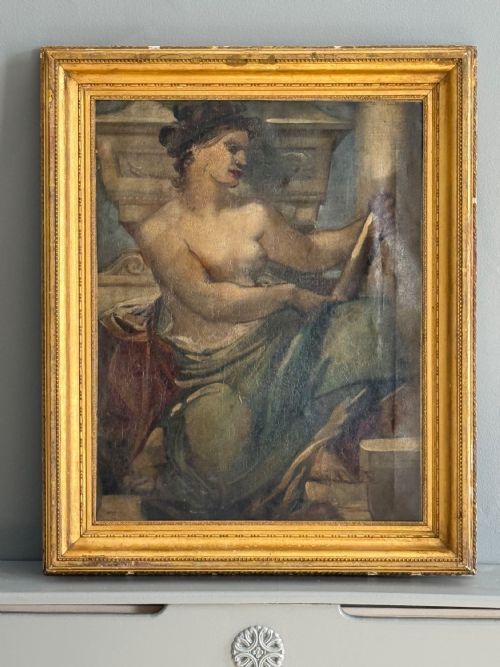
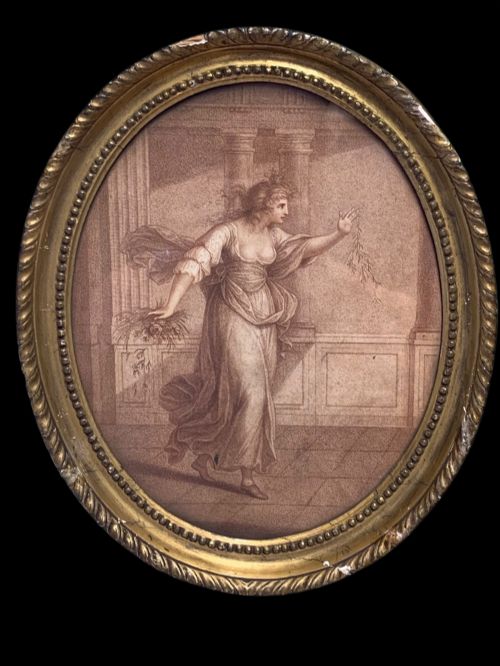
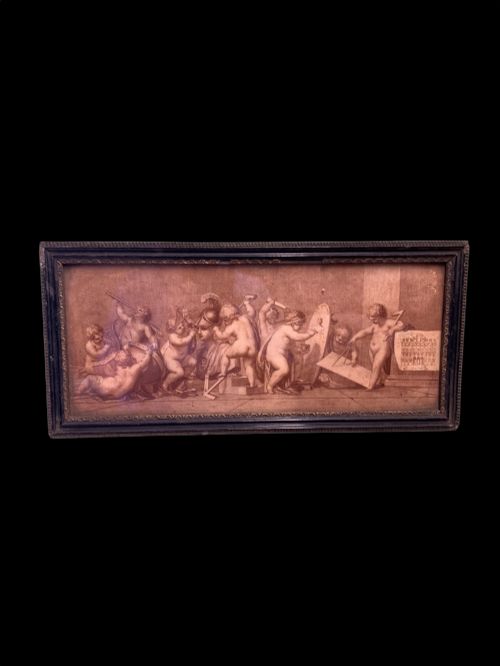
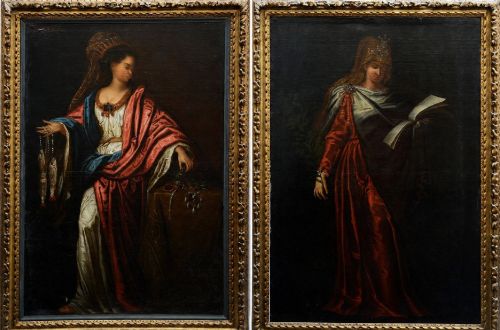
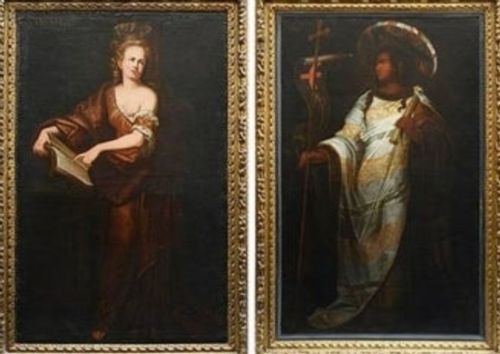
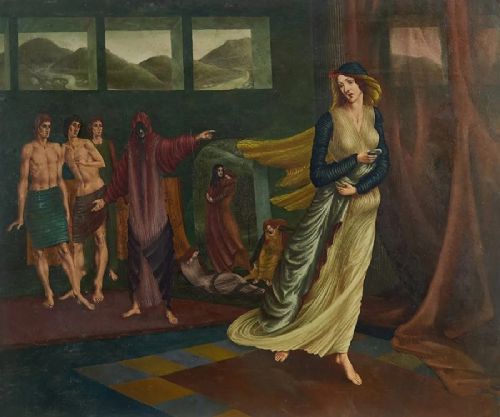
Antique allegorical artwork encompasses framed prints, drawings, and oil paintings that communicate moral, political, or classical themes through human figures and symbolism. When you search for antique allegorical artwork, you encounter depictions of seasons, mythological sibyls, and cherubs originating from the seventeenth, eighteenth, and nineteenth centuries.
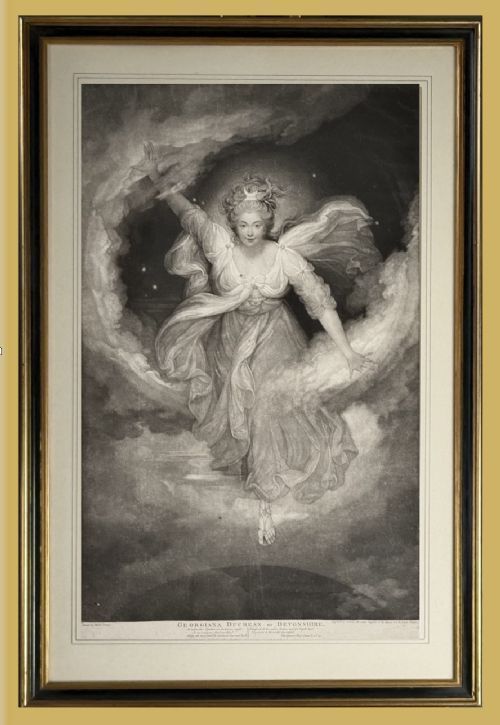
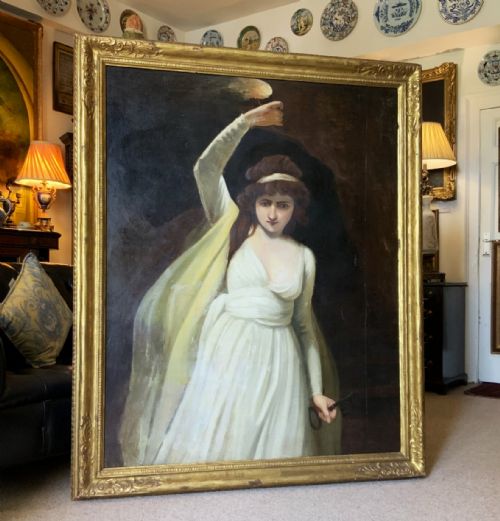
The pieces appearing on this page range from Georgian reverse glass prints and stipple engravings to large oil paintings on canvas depicting classical deities and historical personifications. These works reflect the enduring European fascination with classical mythology, virtue, and political commentary translated into visual art.
How They Were Made
The physical construction of these pieces relies on traditional techniques such as oil paint applied to canvas or wood panels, alongside intricate printmaking methods like mezzotints, stipple engravings, and collotypes on paper. Reverse glass painting involves applying pigments directly to the reverse side of glass plates, producing a glossy and luminous finish characteristic of the period.
Many works retain their period frames constructed from giltwood or wood, protecting fragile paper elements and canvas supports while adding structural depth to the visual narrative.
Listings feature works spanning from the seventeenth century through to the early twentieth century, utilising oil on canvas, glass, paper, and bronze.
What Varies in Quality
The distinction between standard and exceptional pieces rests upon the precision of the draughtsmanship, the complexity of the allegorical composition, and the prestige of the artist or printmaker. Works executed by documented painters or published by notable print houses demonstrate superior handling of light, anatomical proportion, and narrative clarity.
The preservation of the original surface, whether unblemished oil pigment or clean paper without heavy foxing, alongside the survival of an appropriate period frame, defines the standing of an individual artwork.
John Opie RA·Emile Louis Picault·Jean Baptiste Isabey·Peter Paul Rubens·Sir Godfrey Kneller
The Antique Allegorical Artwork Glossary
- Allegory
- A work of art that uses symbolic figures, imagery, and motifs to represent abstract ideas such as virtues, seasons, or historical events. These hidden meanings require the viewer to decode the visual attributes of the characters depicted.
- Mezzotint
- A printmaking process of the intaglio family where the plate is roughened to achieve rich tonal gradations and deep shadows. This technique allows for subtle transitions between light and dark, making it popular for portraiture and allegorical scenes.
- Reverse glass painting
- An artistic method where the image is painted on the back of a glass sheet and viewed from the front. This technique creates a distinctive glossy finish and brilliant colour preservation.
- Sibyl
- A prophetic female figure from ancient mythology often depicted in classical art. In eighteenth and nineteenth-century works, they serve as allegorical representations of divine wisdom and foresight.
- Collotype
- A planographic printing process utilising gelatin that produces continuous tone photographic reproductions. It was employed for fine art prints during the late nineteenth and early twentieth centuries.
Antique Allegorical Artwork: Frequently Asked Questions
What is antique allegorical artwork?
Antique allegorical artwork consists of paintings, prints, and drawings that use symbolic characters and classical figures to represent moral concepts, seasons, or political events.
These pieces draw on mythology and history to communicate deeper philosophical ideas through visual storytelling.
How were allegorical prints displayed?
These prints were traditionally framed in wood or giltwood and hung in domestic interiors, libraries, or state rooms to signal the owner's learning and cultural refinement.
They often appeared in thematic sets, such as depictions of the four seasons or the twelve months, designed to be displayed together.
How do I care for reverse glass prints?
Reverse glass prints require careful placement away from direct sunlight and excessive moisture to prevent the pigments from fading or lifting off the glass surface.
Dusting should be done gently with a dry, soft cloth, avoiding any liquid cleaners that might seep behind the glass.
How do I identify the subject of an allegory?
The subject is usually identified by specific iconographic attributes, such as flowers for spring, specific instruments, or inscriptions naming classical figures like the sibyls.
Consulting historical print records and mythological dictionaries helps clarify the precise meaning behind the symbolic imagery.