



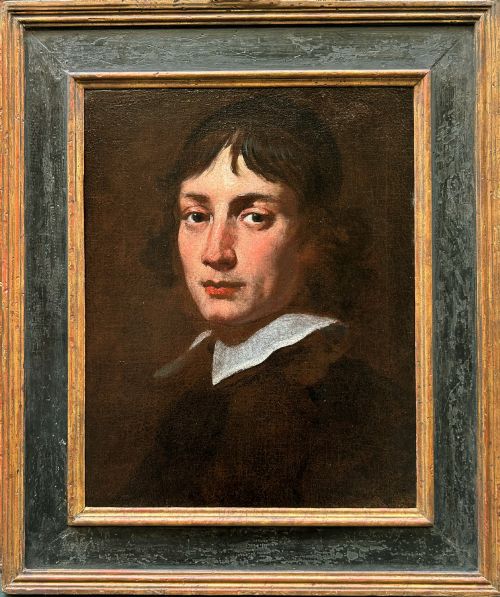
Antique Italian Oil Portrait
An antique italian oil portrait brings centuries of continental character, rich pigment and noble lineage straight to a panelled wall.
Antique Italian Oil Portrait
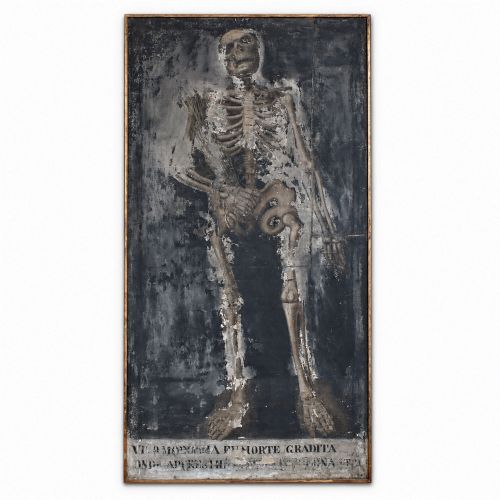
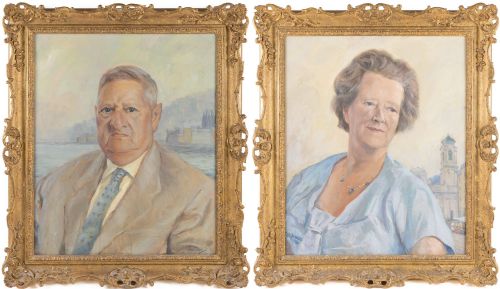
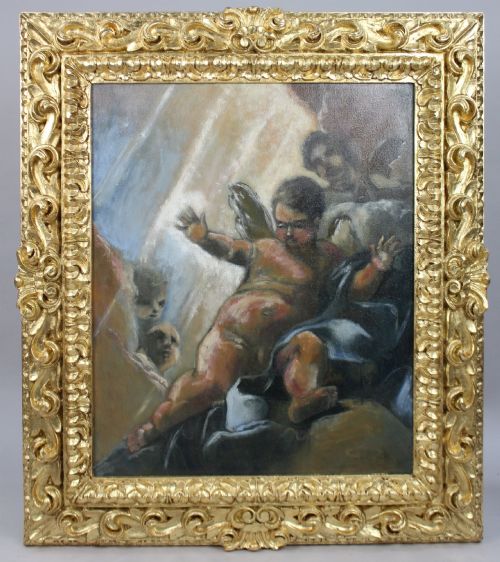
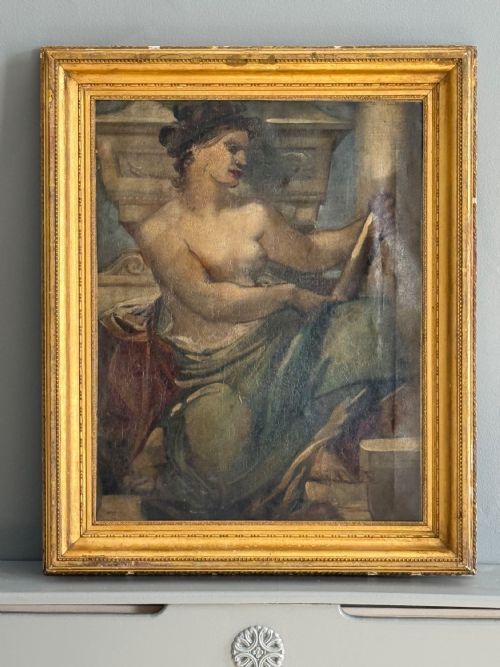
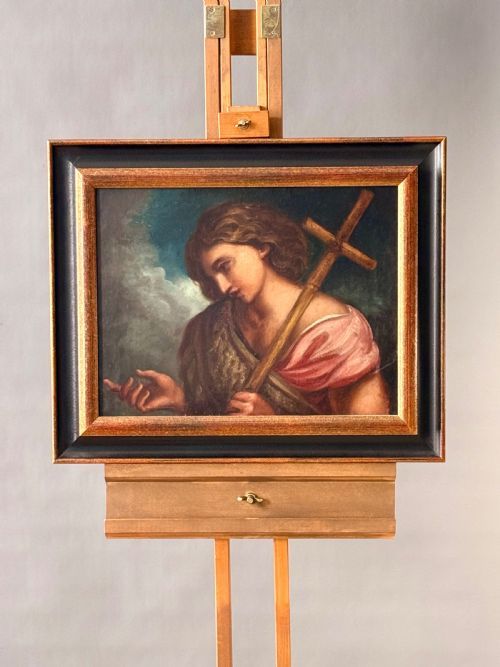
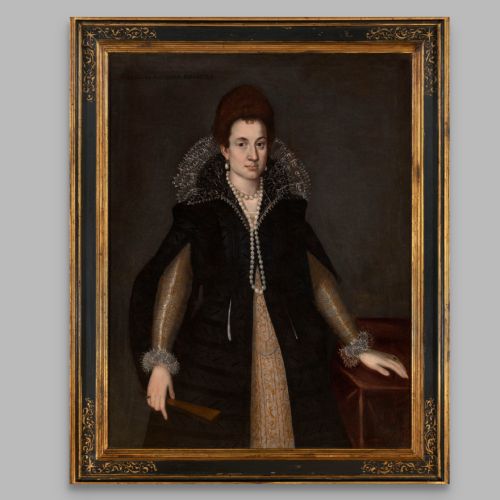
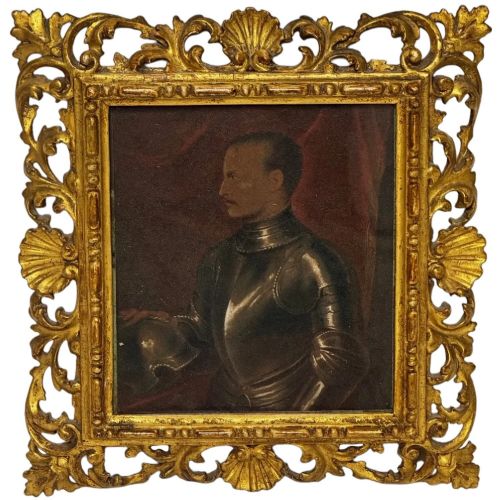
An antique italian oil portrait captures subjects ranging from stern 16th-century noblewomen and religious icons to 19th-century realists and gentle pastoral sitters. These works frequently arrive framed in heavy carved giltwood or swept profiles that enhance the depth of the canvas.
Many surviving examples span the Renaissance, Baroque and later revival schools, often reflecting the influence of major regional workshops across Rome, Venice and Naples. Buyers encounter both signed masterworks by named painters and compelling pieces from anonymous local circles.
Materials and Technique
Makers applied rich oil paint onto stretched canvas or wooden boards, frequently building up translucent glazes to achieve luminous skin tones and deep shadows. The handling of the brush ranges from the tight, polished finishes of earlier academic traditions to the looser, expressive strokes seen in later realists.
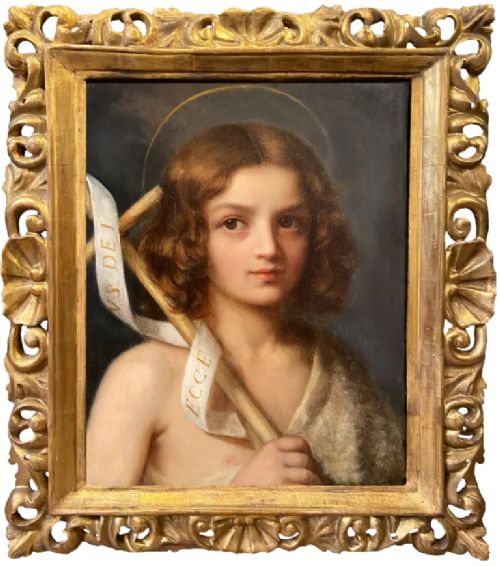
Surviving works are commonly housed in frames fashioned from gessoed wood enriched with gold leaf or genuine gilding. These surrounds are integral to the piece, protecting the perimeter of the canvas while framing the composition.
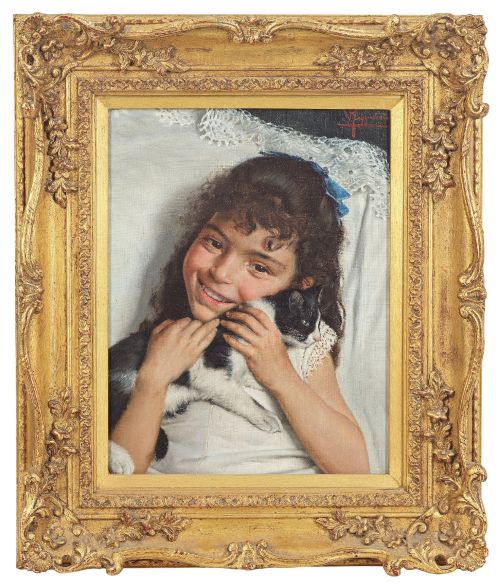
One cheerful canvas preserves the likeness of a young girl clutching her pet cat firmly against her shoulder.
Distinctions in Quality
The highest quality works display a sophisticated understanding of human anatomy, expressive facial modelling and confident brushwork that brings the subject to life. Weaker examples often rely on stiff proportions and flat, formulaic application of pigment.
Provenance and attribution also drive distinction, where documented links to recognised masters or well-recorded regional schools elevate a composition far above anonymous decorative output.
Dumini Leopoldo·Vittorio Reggianini·Attilio Toro·Costantino Frixione·Evaristo Cappelli·Ferruccio Vitale·Sophie Ribbing
The Antique Italian Oil Portrait Glossary
- Pentimento
- A visible trace of an earlier painting, adjustment or brushstroke that the artist painted over, often revealing itself as the lead white pigment becomes more transparent with age.
- Giltwood
- Timber that has been coated with a thin layer of gold leaf or powder over a prepared gesso ground, creating a brilliant metallic finish common on antique frames.
- Old Master
- A term for a European artist of high skill working before the nineteenth century, or a painting produced by such a hand.
- Oil on Canvas
- A traditional painting medium where pigments are suspended in a drying oil and applied to a woven fabric support stretched across a wooden frame.
- Circle of
- A designation used when a painting is not by the master's own hand but clearly produced by an artist working closely alongside them in the same studio or under their direct influence.
Antique Italian Oil Portrait: Frequently Asked Questions
How do I date an old portrait?
Dating relies on examining the costume, hairstyle and framing style of the subject, alongside the physical characteristics of the canvas and stretcher bars.
Expert examination of pigment composition and any visible pentimento under the top layer of oil paint can also provide clues to the era of creation.
What is an Italian school painting?
This label identifies a work created by an artist trained or working in Italy, typically sharing stylistic traits with regional traditions like the Venetian or Neapolitan schools.
These pieces often lack a signature from a major master but demonstrate the high standard of regional portraiture prevalent at the time.
Where should I hang an oil portrait?
These works suit period rooms, libraries or dining spaces where traditional lighting can highlight the rich texture of the oil paint and the carved details of the giltwood frame.
Keep canvases away from direct sunlight and fluctuating humidity to protect the delicate media and wooden supports from cracking.
Why do some portraits show religious figures?
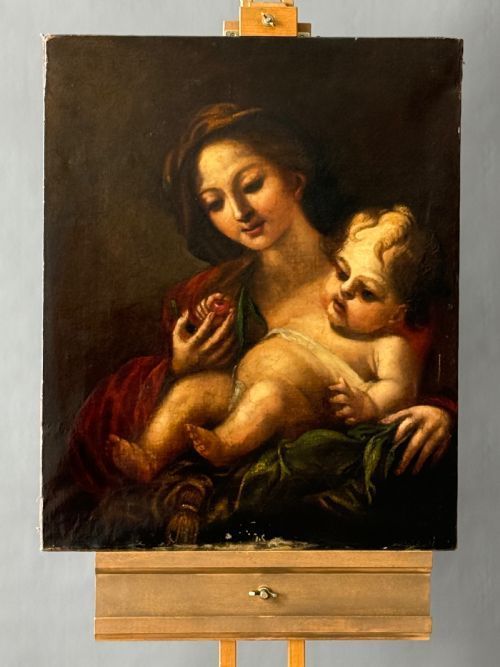
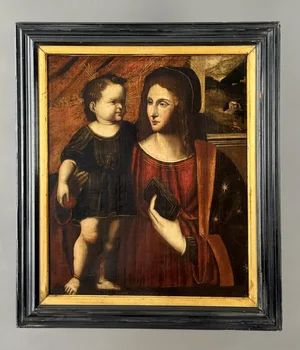
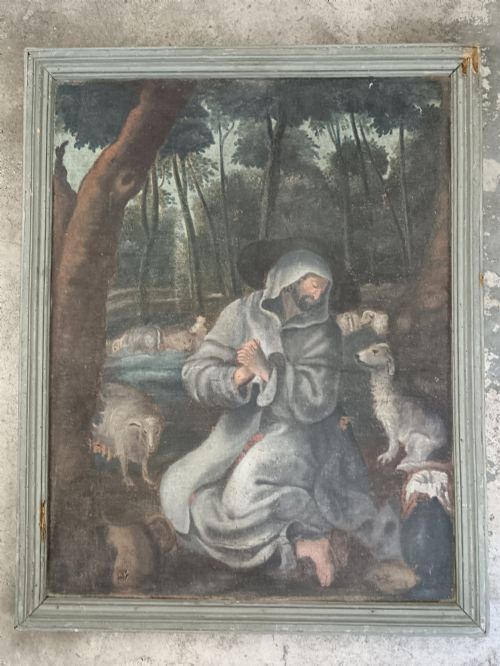
Religious subjects like the Madonna and Child or saints were central to Italian artistic output, commissioned both for private devotion and civic display.
Artists frequently referenced earlier Renaissance compositions, producing reverent interpretations that served spiritual functions in homes and chapels.