


Black Framed Bird Art
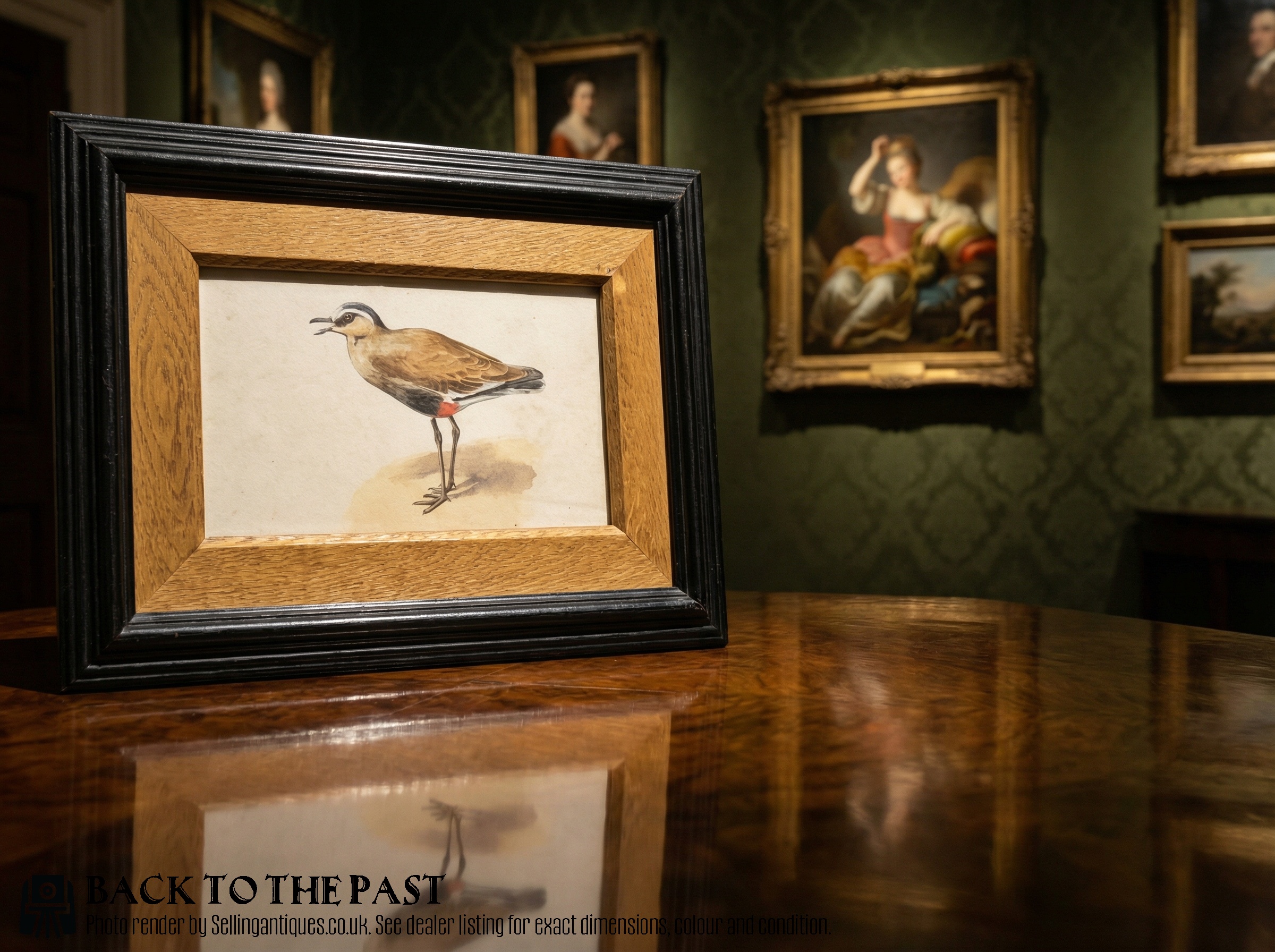
Black framed bird art gathers centuries of ornithological observation within dark wood and gilded surrounds.
Black Framed Bird Art
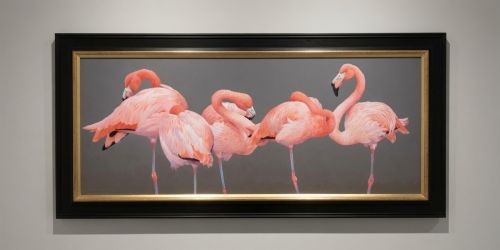
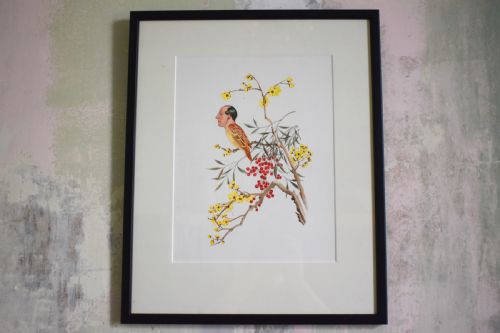
When you search for black framed bird art, you encounter a remarkably diverse gathering of subjects rendered in watercolour, oil, gouache, and lithograph. These pieces span from the seventeenth century through to the mid-twentieth century, capturing avian life across various global traditions.
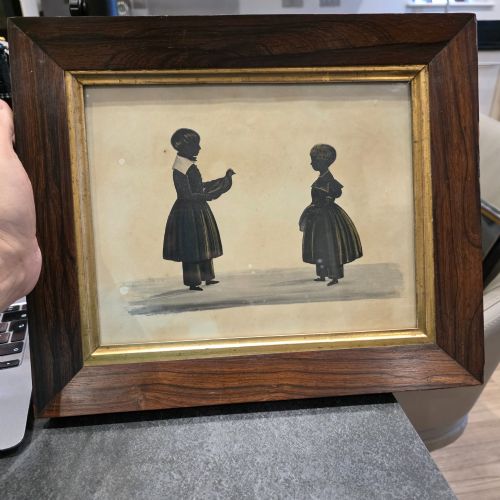
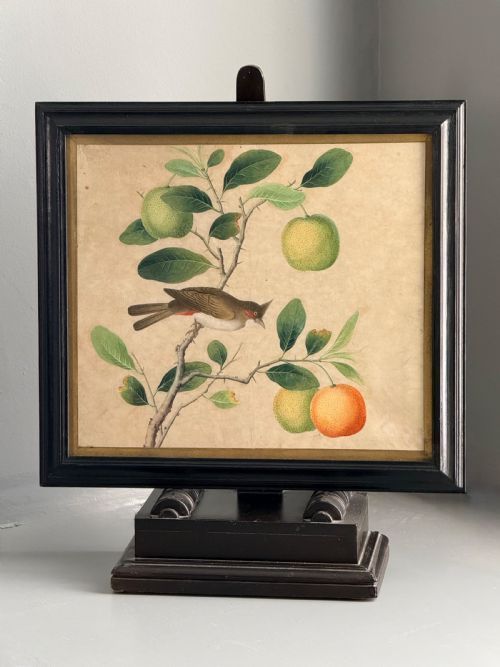
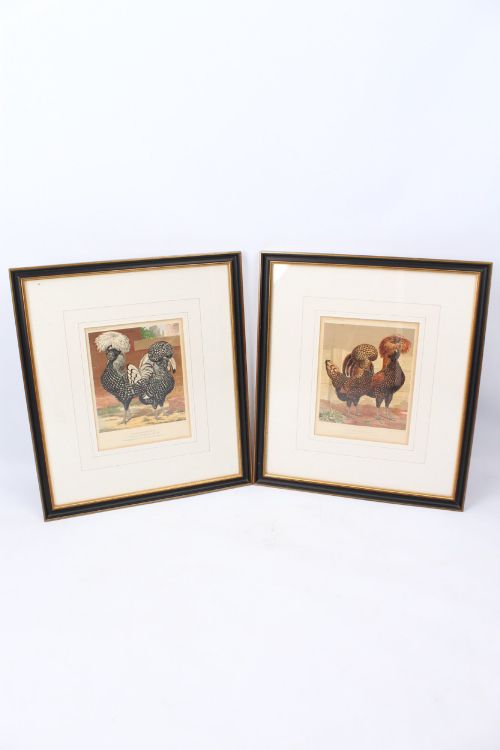
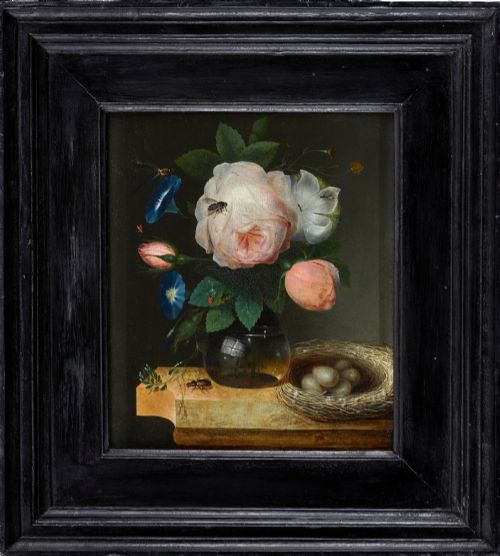
The most frequent examples on this page utilise ebonised wood or dark painted surrounds to enclose depictions of birds, ranging from Chinese reverse painted mirrors to Victorian watercolours of game birds. They combine natural history with decorative framing.
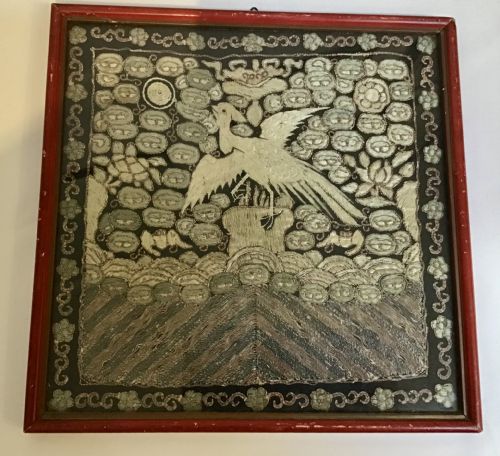
Makers and artists employed specific techniques to highlight avian subjects, placing watercolours within deep giltwood mounts or setting silk rank badges against dark backdrops. Each piece offers a window into historical approaches to ornithology and interior decoration.
Materials and construction
Makers utilised wood, glass, and paper extensively, often applying gold leaf and gilt to accentuate the dark ebonised wooden frames. These materials provided structural durability while creating a sharp visual contrast with the delicate pigments of the artwork within.
Techniques varied from gouache on pith paper and reverse painting on mirror to lithography and meticulous watercolour application. Artisans also incorporated silk, mop, and abalone inlay into lacquered panels to render birds amidst foliage.
The assembly frequently involved deep giltwood mounts and protective glass layers, preserving fragile organic media such as feathers, textiles, and paper from environmental degradation over centuries.
Frames predominantly utilise ebonised wood, often complemented by gold leaf, gilt, and deep giltwood mounts.
Indicators of quality
Quality rests in the precision of the artistic execution and the harmony between the artwork and its surrounding frame. Superior pieces demonstrate meticulous anatomical accuracy in the depiction of the bird and refined handling of medium, whether oil, watercolour, or silk embroidery.
The sophistication of the mounting and framing further distinguishes the selection, where period ebonised wood and original gilt accents enhance rather than overpower the central image. Original materials and good preservation elevate the standing of a piece.
Gaspar Peeter Verbruggen·David Orr Kerr·Paul-Louis Barruel·George Lance·Stephen Elmer·Rev B. Morris
The Black Framed Bird Art Glossary
- Ebonised wood
- Timber treated to resemble ebony through staining or painting. This dark finish gained immense popularity during the Victorian period for framing works on paper.
- Gouache
- An opaque water-based paint that provides solid, vibrant areas of colour. It allows artists to achieve rich tonal gradations in avian illustrations.
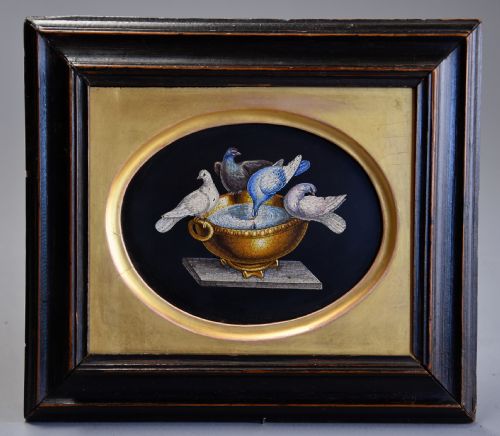
- Micromosaic
- A technique utilising tiny coloured glass tesserae to form intricate pictorial scenes. These were often mounted within small ebonised frames during the nineteenth century.
- Lithograph
- A printmaking process based on the repulsion of oil and water. It enabled the mass production of detailed natural history plates in the nineteenth century.
- Reverse painted mirror
- An artwork applied directly to the rear surface of a glass plate. This Chinese export technique produces a luminous, reflective quality.
Black Framed Bird Art: Frequently Asked Questions
How do I date a black framed bird painting?
Dating relies primarily on the framing materials, the paper or canvas support, and the stylistic conventions of the artwork. Examining the reverse of the frame often reveals historical labels, stamps, or construction techniques characteristic of specific periods.
Changes in pigments and printing methods also provide reliable chronological markers. Comparing the subject matter to known natural history illustrations helps narrow down the decade of creation.
Where should I hang these artworks?
These pieces suit spaces where their dark frames can anchor a wall arrangement, such as studies, hallways, or living rooms. They pair particularly well with traditional interiors and wood-panelled walls.
Avoid placing them in direct sunlight to protect fragile watercolours, silks, and paper from fading. Ambient lighting highlights the reflective qualities of glass and gilt mounts.
How are pith paper paintings constructed?
Pith paper paintings utilise the spongy internal cellular tissue of the Tetrapanax papyrifer plant. Artists applied delicate gouache and watercolour directly onto this soft, fibrous surface, which absorbs pigments deeply.
Due to the fragile nature of pith, these pieces require careful preservation behind glass. They represent a distinct tradition of nineteenth-century export art.
What distinguishes a rank badge?
Chinese rank badges were textile squares sewn onto official robes to denote civil or military status. They frequently featured embroidered birds symbolising specific bureaucratic grades.
When framed, these silk textiles function as decorative wall art. Their intricate threadwork and varied motifs reflect Qing dynasty sumptuary laws.