


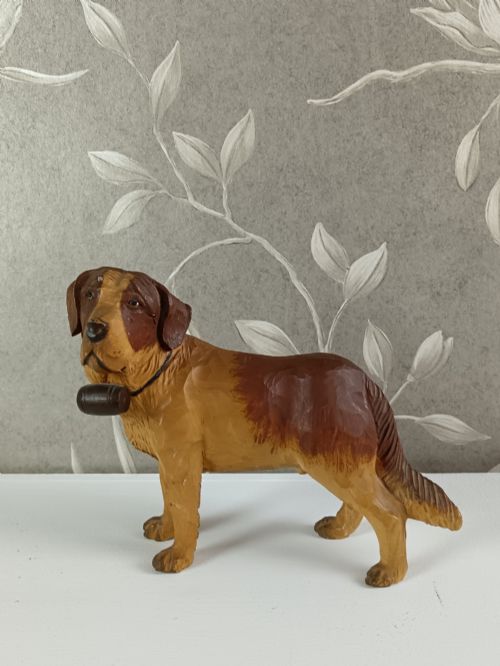

Black Forest Wooden Carvings
Black forest wooden carvings capture the spirit of Alpine nature and folklore through detailed timber sculpture.
Black Forest Wooden Carvings
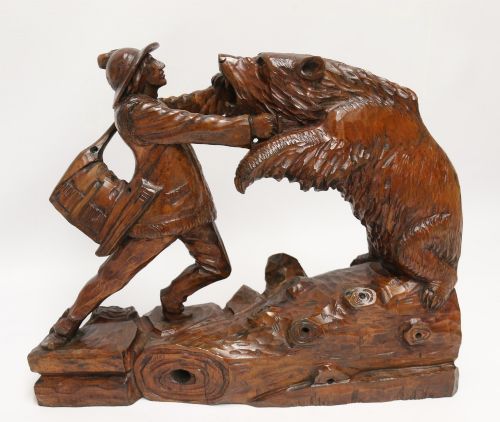
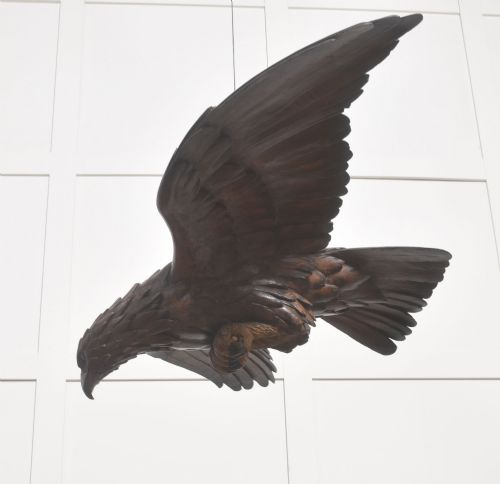
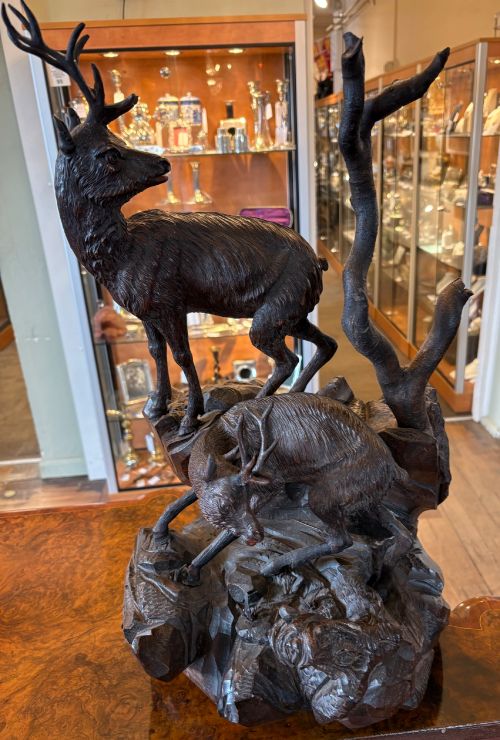
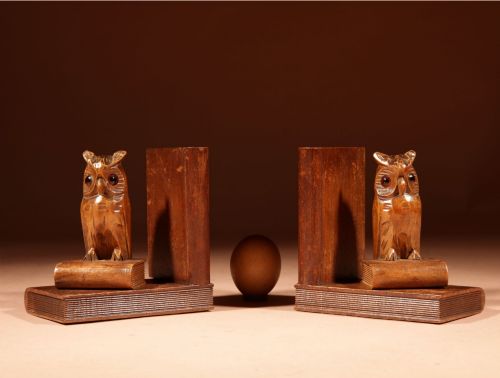
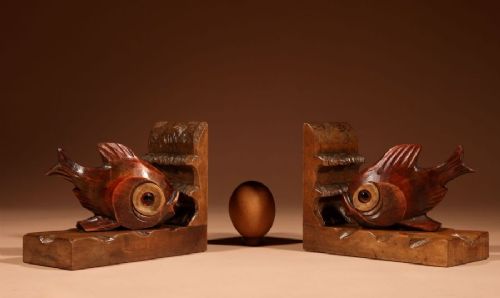
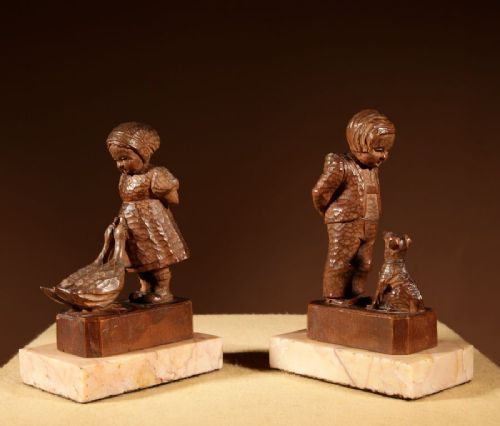
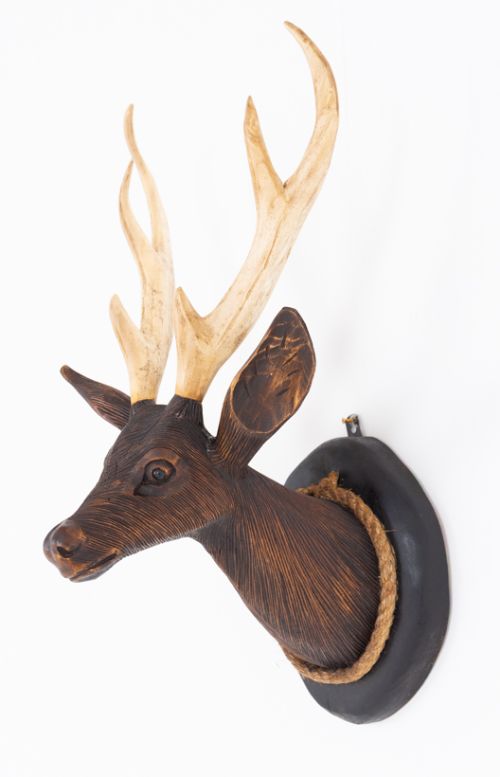
These pieces encompass sculptural animal figures, bookends, wall trophies, and functional domestic objects created in European forest regions during the nineteenth and early twentieth centuries. Bears, dogs, deer, owls, and human figures dominate the forms, reflecting a deep engagement with wildlife and rural life.
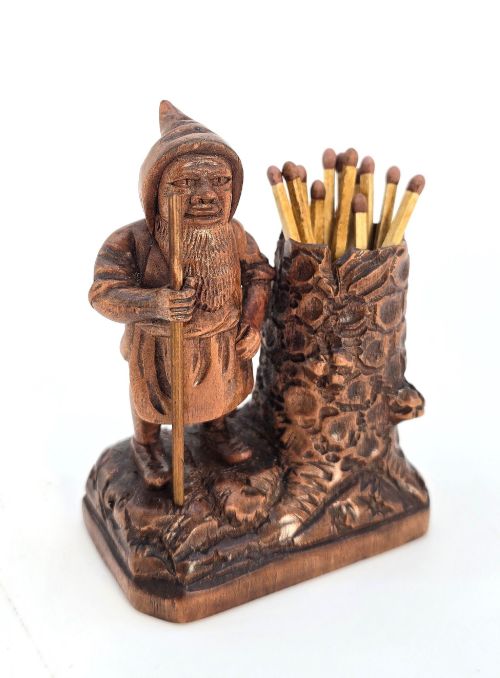
Collectors encounter both naturalistic animal studies and whimsical character pieces, ranging from large standing bears to small match holders and inkwells. The selection relies heavily on nineteenth-century Victorian and Edwardian examples alongside Swiss Brienz regional works.
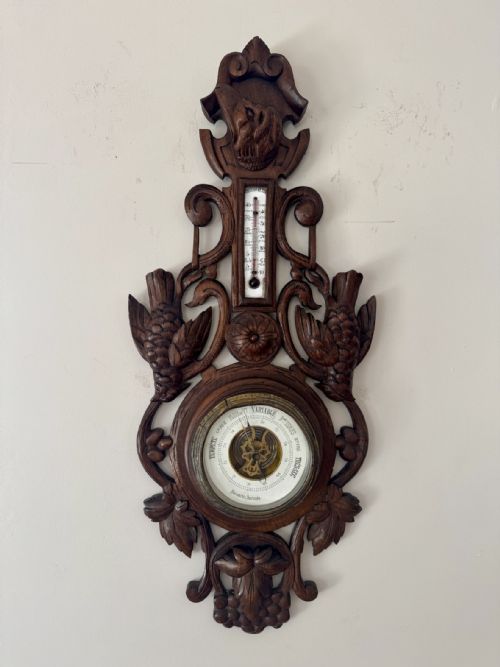
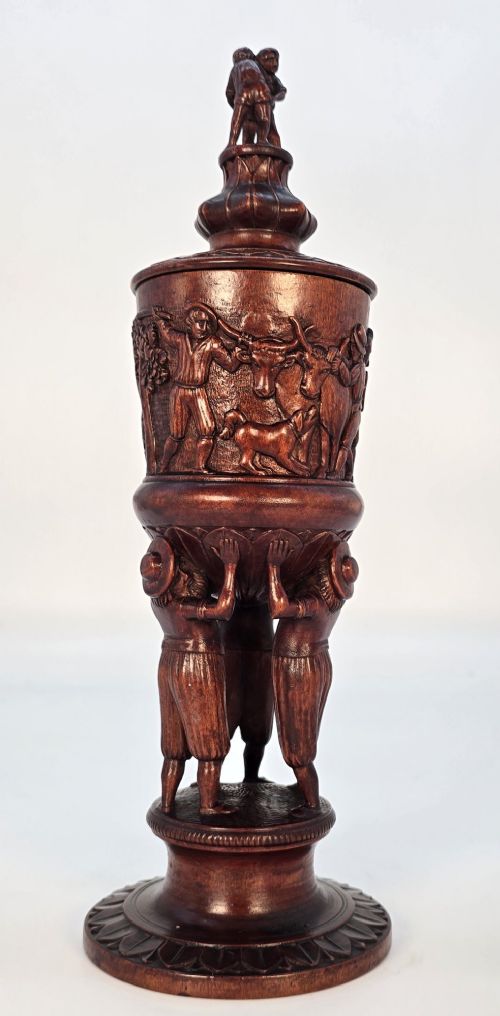
Functional items such as barometers, humidors, stick stands, and caskets combine sculptural modelling with practical utility. These objects bring a distinct rustic character to domestic interiors through carved timber details.
Materials and Techniques
Production involved hand chiselling and gouging raw blocks of timber, followed by careful finishing work that often included glass eyes for animal subjects and applied metal hardware for functional pieces like barometers and match strikers.
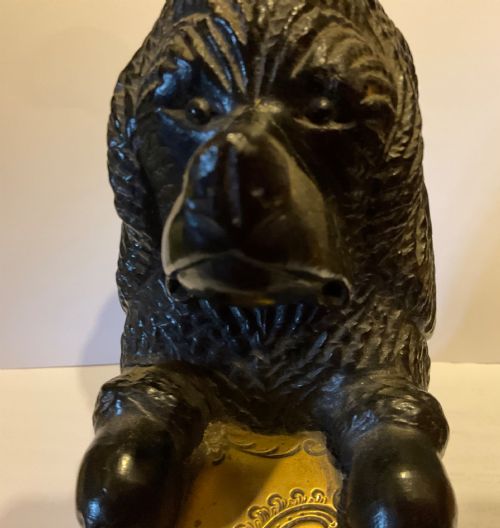
Stubborn matches found their home inside carved gnomes and bears for over a century.
Assessment of Quality
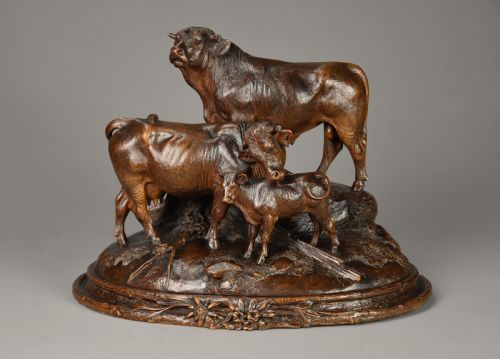
Excellence in these carvings rests on anatomical precision, depth of carving, and the lifelike expression of the subject matter. Superior pieces display finely articulated fur, muscular tension, and natural postures rather than rigid or simplified forms.
The distinctness of signatures, stamps, and workshop attribution separates standard decorative output from works by known masters such as J. Huggler. Complexity of design, such as multi-figure groups or integrated functional mechanics like aneroid barometers, also elevates the standing of an individual piece.
J HUGGLER
The Black Forest Wooden Carvings Glossary
- Linden wood
- A pale timber commonly utilised by Alpine carvers for its fine, even grain and softness. It permits intricate detailing without splitting along the grain.
- Aneroid barometer
- A meteorological instrument measuring atmospheric pressure without liquid. In this category, these mechanisms sit inside intricately carved wooden frames.
- Humidor
- A moisture-controlled box designed for storing cigars. Carved wooden examples often feature animal subjects or hunting motifs on the lid.
- Swiss Brienz
- A specific regional style and centre of woodcarving in Switzerland known for highly detailed animal studies and genre figures. Pieces from this tradition often share aesthetic traits with broader regional production.
- Hunting trophy
- A wall-mounted plaque featuring carved animal heads or antlers. These decorative elements celebrate regional wildlife and alpine hunting culture.
Black Forest Wooden Carvings: Frequently Asked Questions
What animals appear most often?
Bears, deer, and owls form the majority of surviving animal subjects in these carvings. Artisans also represented dogs, foxes, goats, and goldfish.
These creatures reflect both the native fauna of the Alpine regions and the domestic interests of Victorian collectors.
How were these objects used?
Many items combined sculpture with everyday domestic function, serving as match holders, tobacco boxes, bookends, and inkwells. Larger pieces operated as umbrella stands, barometers, and wall-mounted trophies.
Owners displayed them in libraries, studies, and hallways to add rustic character to interior spaces.
Are all pieces signed by makers?
Signatures and workshop stamps remain relatively uncommon across the entire category. Most historical carvings left the workshop bearing only the characteristic style of the region.
Exceptions include pieces stamped by notable makers like J. Huggler or specific signed figures.
Which woods did carvers prefer?
Linden wood, limewood, and walnut represent the primary materials chosen by period artisans. These timbers offered the ideal balance of softness and structural stability.
Working with these woods allowed craftsmen to render fine textures such as fur, feathers, and facial expressions.