


Antique Carved Wall Trophies
Antique carved wall trophies bring rugged wilderness indoors through masterful woodworking and taxidermy, offering timeless character for country houses and modern studies alike.
Antique Carved Wall Trophies
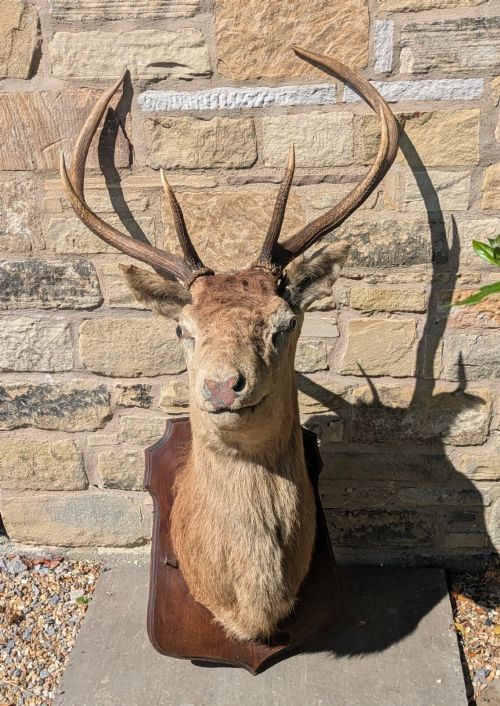
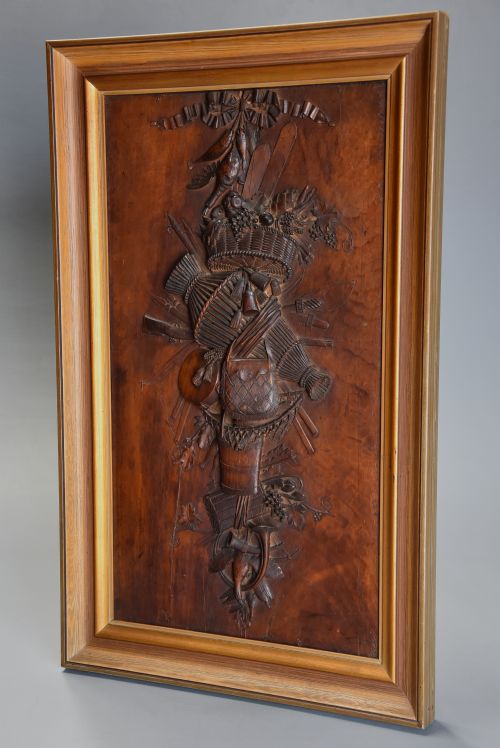
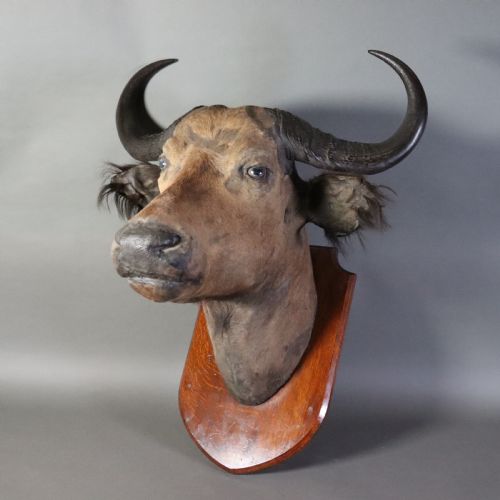
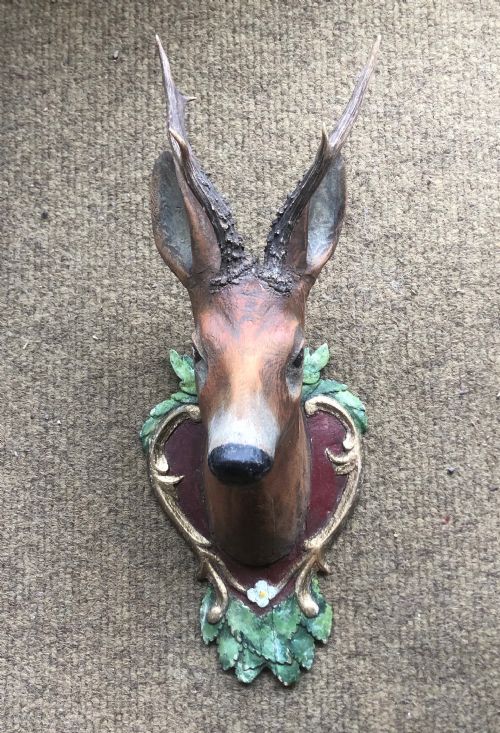
Antique carved wall trophies comprise a striking mix of taxidermy mounts and intricately hand-carved wooden panels depicting game, foliage, and sporting motifs. When you search for antique carved wall trophies, you encounter pieces designed to celebrate the hunt and the natural world, often serving as dramatic focal points above mantels or in entrance halls.
The selections span the nineteenth century through the early twentieth century, drawing heavily on Black Forest, Victorian, and folk art traditions. You find mounting boards shaped as wooden shields alongside mounted stags, roebucks, foxes, and buffalo heads.
Origins stretch across Europe, encompassing French chateau styles, Swiss Black Forest workshops, and Swedish painted folk art pieces. These items range from large exhibition pieces to rustic wooden plaques intended for hunting lodges.
Materials and Techniques
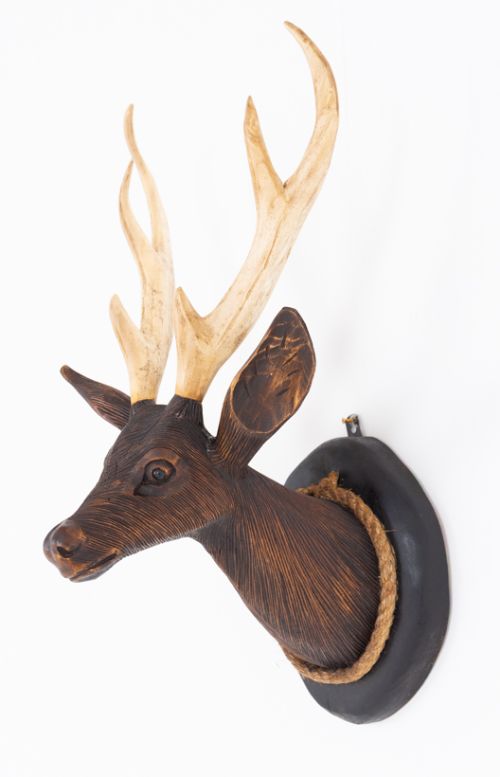
Carvers utilised dense timbers such as oak, fruitwood, and general hardwoods to fashion shields, backing panels, and three-dimensional animal heads. Skilled hands applied chisels and gouges to render realistic fur texture, musculature, and elaborate oak leaf or pinecone borders.
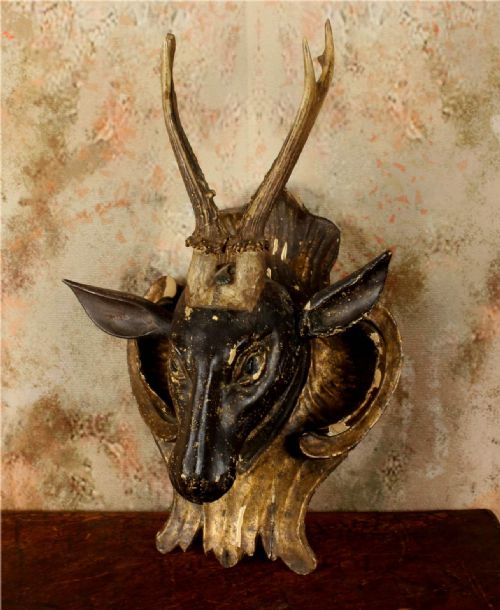
Makers integrated natural animal elements including genuine antlers, horns, and skulls directly into carved wooden shields or taxidermy mounts. Selected pieces received painted finishes or giltwood accents to enhance depth and contrast.
Origins range from Swedish painted folk art to Swiss Black Forest carvings and British taxidermy.
Variations in Quality
Depth of relief and anatomical accuracy distinguish finer carvings from simpler folk art interpretations. A master carver achieves lifelike tension in an animal's expression and fluid movement in surrounding foliage, whereas lesser work remains stiff and formulaic.
The integration between natural bone and carved timber dictates overall success. Superior examples display harmonious proportions where the shield flatters the antlers or taxidermy mount without overwhelming the composition.
Gerrard And Sons London
The Antique Carved Wall Trophies Glossary
- Black Forest
- A nineteenth-century Swiss and German style known for deeply carved wood pieces featuring naturalistic animal subjects. These items often incorporate foliage, stags, and dogs.
- Folk Art
- Objects created by traditional craftspeople outside the formal academic art academies. These pieces rely on regional vernacular designs and practical materials.
- Taxidermy Mount
- The preserved skin of an animal mounted over a sculpted form to resemble a living creature. They frequently attach to wooden shields for wall display.
- Giltwood
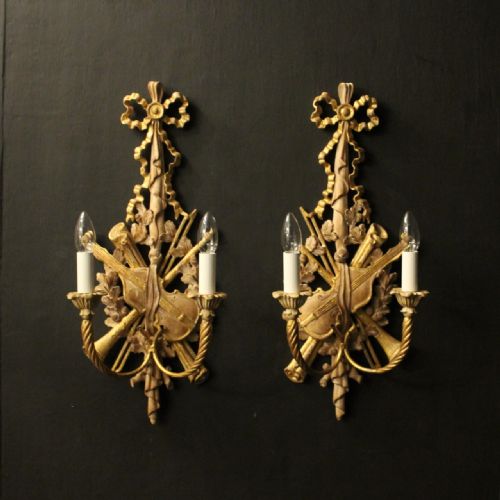
- Timber treated with a thin layer of gold leaf or metallic paint to create a lustrous decorative surface. This finish appears on elaborate wall lights and frames.
- Shield
- A flat wooden backing board shaped like a heraldic shield to support animal heads or antlers. Oak and pine serve as common timbers for these mounts.
Antique Carved Wall Trophies: Frequently Asked Questions
Are these pieces from the nineteenth century?
Many examples originate from the eighteen hundreds, particularly the Victorian era and the height of the Black Forest carving movement. Dated pieces and stylistic clues help establish these nineteenth-century origins.
Folk art versions and rustic lodges also contribute to the historical timeline represented across these wall displays.
What rooms suit a wooden hunting trophy?
Studies, libraries, dining rooms, and hallways provide traditional settings that complement the rustic timber and natural motifs. The substantial presence of these carvings anchors a large wall space effectively.
Modern interiors also embrace these pieces to introduce organic texture and historical contrast against neutral plaster walls.
How do I maintain carved wood and taxidermy?
Dust the carved wooden surfaces gently with a soft, dry brush to prevent dirt accumulation in the recessed chisel marks. Avoid harsh chemical cleaners and keep the timber away from direct heat sources.
Protect taxidermy elements and antlers from prolonged direct sunlight to prevent fading and drying of natural materials.