



Carved Wooden Animal Heads
These carved wooden animal heads are sculptural pieces of natural history and folk art that bring character to a room.
Carved Wooden Animal Heads
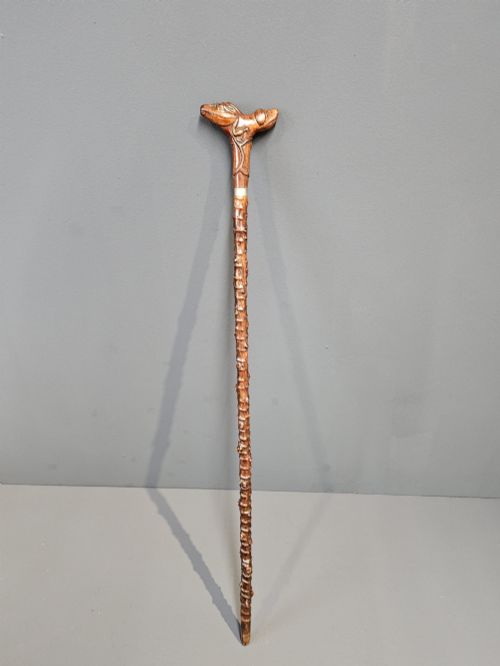
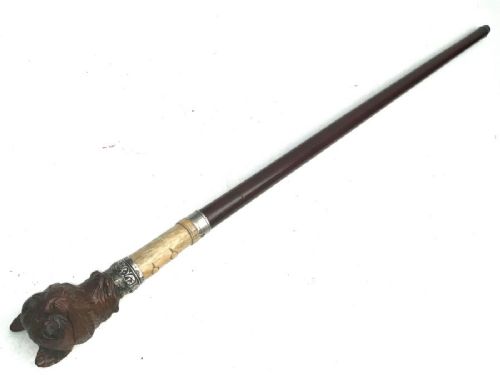
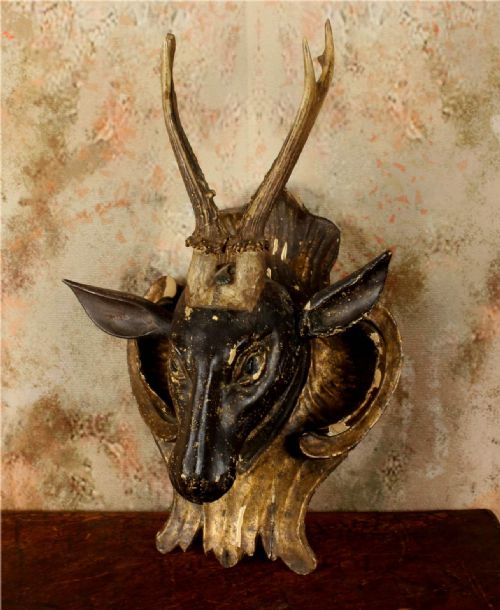
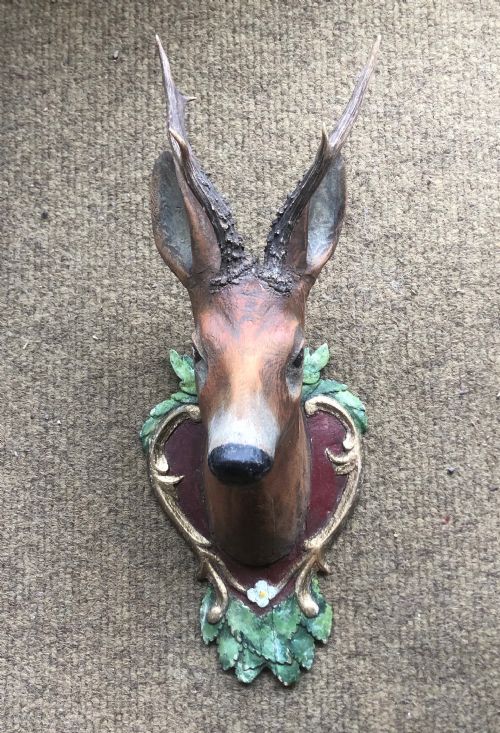
You are most likely to meet wall carvings, walking sticks with novel handles, and desk accessories such as inkwells and nutcrackers. These items span the eighteenth, nineteenth, and early twentieth centuries, capturing the Victorian and Edwardian fascination with nature and animal life.
The subjects depicted include deer, foxes, dogs, boars, lions, tigers, ibexes, and cats. Each piece translates the anatomy of the animal into timber, whether through the high detail of Swiss Black Forest carving or the simpler lines of folk art.
Materials and technique
The carvers utilised various woods, most notably walnut, oak, pine, and general hardwood, sometimes adding paint to Swedish folk art or combining the timber with glass, silver, bone, and antler. Natural materials like real antlers frequently complement the wooden carvings to create trophies or realistic mounts.
Techniques range from deep relief wall sculptures and freestanding figures to articulated mechanisms in walking stick handles. The carvers employed chisels and gouges to render fur, manes, and facial expressions with varying degrees of anatomical precision.
The listings span from the late eighteenth century through the Victorian and Edwardian periods into Art Deco, using walnut, oak, pine, and painted surfaces.
Quality and execution
The distinction between ordinary and exceptional carving lies in the vitality of the animal expression and the crispness of the tool work. Superior pieces capture the tension in a beast's muscles or the alertness of a gaze, rather than relying on a stiff or generic template.
Integration of materials also dictates standing, where the pairing of wood with inset glass eyes, genuine bone, or natural antlers is handled with anatomical conviction. The depth of relief and the sensitivity shown to the grain of the walnut or oak further separate standard decorative objects from masterworks.
Laszlo Hoenig
The Carved Wooden Animal Heads Glossary
- Black Forest
- A style of wood carving originating from the Brienz region of Switzerland and the adjacent German mountains during the nineteenth century. These items typically depict animals and foliage with high naturalism.
- Folk Art
- Objects created by self-taught or traditional craftsmen outside academic artistic traditions. They prioritise bold visual impact and utility over strict proportion.
- Wall Mask
- A sculptural carving designed to be hung on a flat surface, representing the head of an animal or human. They often serve as decorative trophies without involving actual taxidermy.
- Desk Tidy
- A small functional container or desktop accessory, such as an inkwell or box, often disguised as an animal figure in nineteenth-century studies.
- Architectural Salvage
- Building elements or decorative fragments rescued from older structures. These pieces frequently include large corbels or wall carvings of animal heads.
Carved Wooden Animal Heads: Frequently Asked Questions
What are carved wooden animal heads?
These pieces are sculptural representations of fauna rendered in timber, functioning as wall decor, walking sticks, bookends, and desktop objects.
They reflect the nineteenth and early twentieth-century preoccupation with naturalism, folk traditions, and domestic utility.
How do I date these carvings?
Dating relies on the timber species, the tool marks left by the carver, the style of the period, and associated materials like glass eyes or silver mounts.
Nineteenth-century pieces often display the deep relief and naturalistic fur texture typical of Swiss workshops, while eighteenth-century examples show heavier walnut construction.
Where should I place wall masks?
Wall sculptures and masks suit panelled rooms, libraries, or hallways where they act as focal points among artwork or books.
Ensure they hang securely away from direct heat sources that might dry out the historic hardwood.
Are these items antique?
The listings comprise works spanning the eighteenth century through the Edwardian period and the Art Deco era.
Most items originate from the nineteenth century, encompassing Victorian production, Swiss export goods, and regional folk art.