


Antique Wooden Dog Sculpture
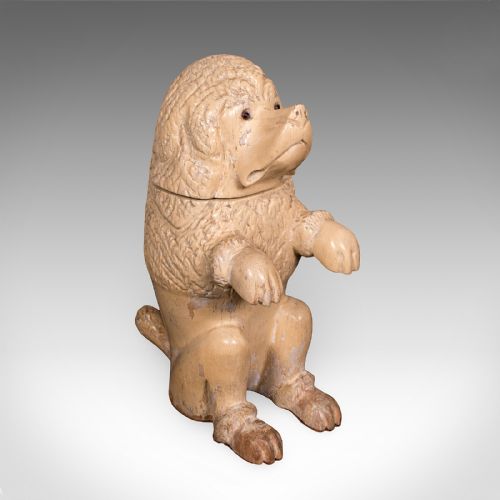
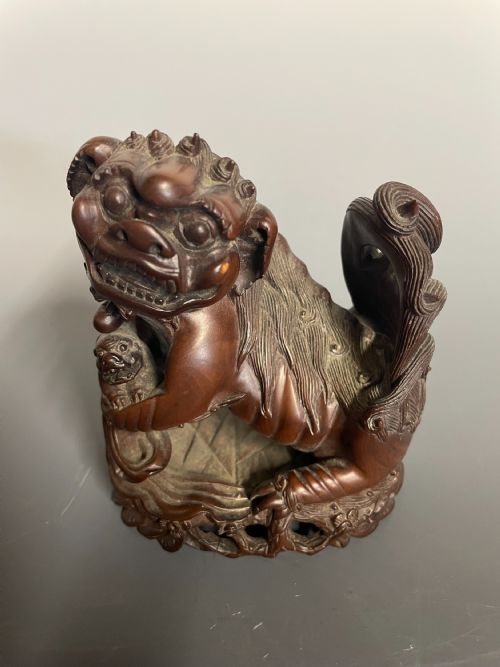
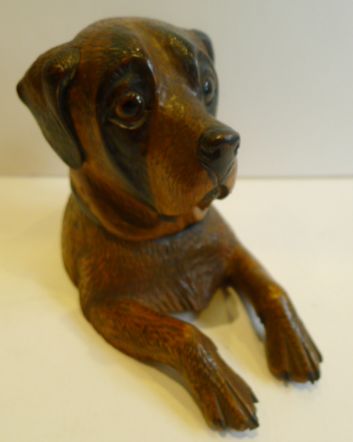
These antique wooden dog sculpture pieces bring character and history into a room, spanning carved temple guardians and charming Black Forest folk art.
Antique Wooden Dog Sculpture
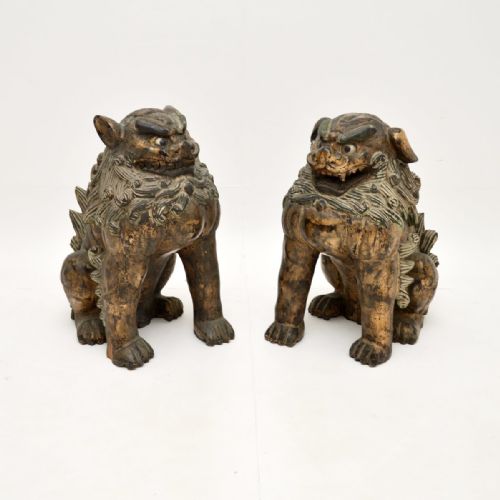
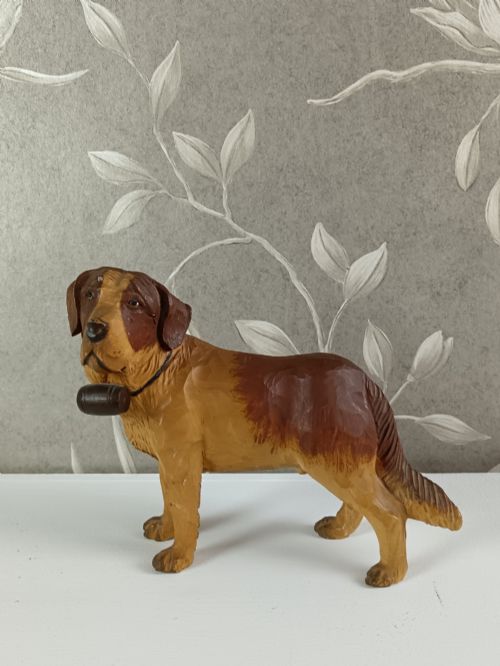
An antique wooden dog sculpture brings centuries of carving traditions into the home, ranging from European folk art to Asian temple figures. When searching for an antique wooden dog sculpture, buyers encounter diverse forms including Foo dogs, rescue dogs, poodles, and hunting hounds.
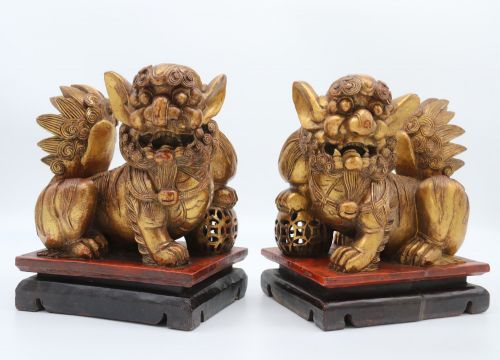
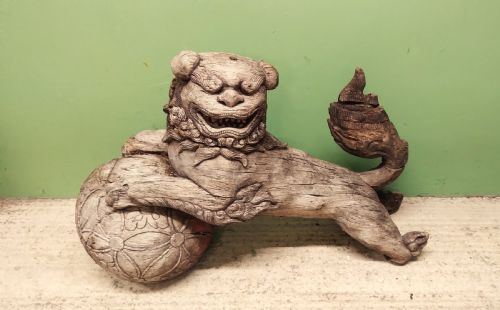
The selection on this page stretches from eighteenth-century Chinese temple guards in boxwood and root wood to nineteenth-century Black Forest inkwells and tobacco boxes. These objects served functional roles as boxes and inkwells or stood purely as decorative centrepieces and statues.
European examples lean heavily towards the Black Forest and Alpine folk art traditions, often depicting St Bernards, poodles, and foxes. Asian pieces present Buddhist lions and Foo dogs carved from timber, gilt wood, and lacquer.
How they were made
Carvers shaped these figures from timbers such as boxwood, fruitwood, root wood, and general hardwoods using traditional hand chisels and gouges. Artisans finished surfaces with polychrome paint, lacquer, or surface gilding to highlight anatomical details and facial expressions.
Makers integrated practical containers into many designs, hollowing out bodies for tobacco jars, boxes, and inkwells fitted with glass inserts. Detail work relied entirely on skilled hand carving rather than mechanical duplication, ensuring individual character in every piece.
Materials recorded across the inventory include carved wood, timber, glass, gilt, paint, polychrome paint, lacquer, boxwood, and fruitwood.
What varies in quality
Quality rests in the precision of the carving and the vitality captured in the animal's form. Superior pieces demonstrate crisp anatomical observation and deep relief work, whereas lesser examples rely on flat planes and rigid postures.
The preservation of original surface treatments - whether polychrome paint, lacquer, or natural polished timber - defines the integrity of a piece. Finer sculptures retain their original components, such as glass eyes or fitted lids, without intrusive replacements.
The Antique Wooden Dog Sculpture Glossary
- Black Forest
- A style of nineteenth-century wood carving originating from the mountainous region of central Europe, famous for realistically rendered animals and functional desk items. Pieces from this tradition often utilise limewood or walnut.
- Treen
- Small handmade wooden household objects and utility items, encompassing the tobacco jars and decorative boxes found among canine sculptures. Collectors prize these items for their tactile domestic utility.
- Polychrome Paint
- Surface decoration utilising multiple colours applied directly to the wood to enhance realism and decorative appeal. This finish appears on both European folk carvings and Asian temple figures.
- Boxwood
- A dense, pale hardwood favoured by carvers for intricate detail work and miniature figures due to its fine grain and lack of splintering. It allows for exceptionally sharp facial expressions.
Antique Wooden Dog Sculpture: Frequently Asked Questions
What are antique wooden dog sculptures made from?
These sculptures utilise various timbers including boxwood, fruitwood, root wood, and general hardwoods depending on the region of origin. Artisans frequently enhanced the wood with polychrome paint, lacquer, or gilt highlights.
European pieces often employ limewood and walnut for deep relief carving, while Asian examples showcase dense regional timbers and traditional lacquering techniques.
How do I care for an antique wooden dog sculpture?
Keep wooden sculptures away from direct sunlight and extreme humidity fluctuations to prevent the timber from splitting or warping. Dust gently with a dry, soft cloth and avoid liquid cleaners that might damage antique paint or lacquer.
Waxing should be done sparingly and only if the finish is unfinished or matte timber, leaving lacquered or painted surfaces untouched by polishes.
Were these wooden dog sculptures purely decorative?
While many statues and figurines served an aesthetic purpose as mantel ornaments or centrepieces, a significant number had practical functions. Carvers integrated hollow compartments into tobacco jars, trinket boxes, and inkwells.
This combination of utility and sculpture made them popular desk and smoking-room accessories during the nineteenth and early twentieth centuries.