
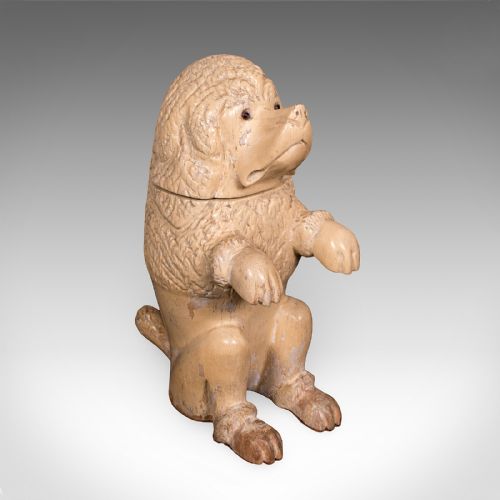


Antique Carved Tobacco Humidor
An antique carved tobacco humidor is a solid wooden box designed to keep leaf and pipe supplies fresh, bringing tactile craft and character to a desk or mantelpiece.
Antique Carved Tobacco Humidor
When you search for an antique carved tobacco humidor, you find containers shaped by hand from timber to hold smoking leaf. The examples gathered here span the nineteenth century into the twentieth, taking forms from simple boxes to figural animals.
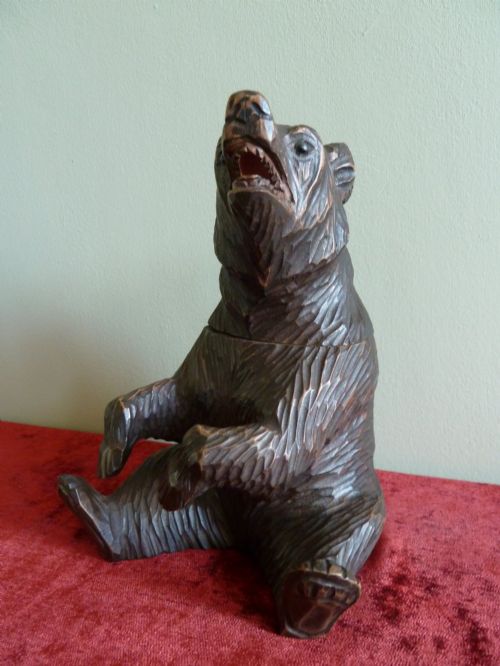
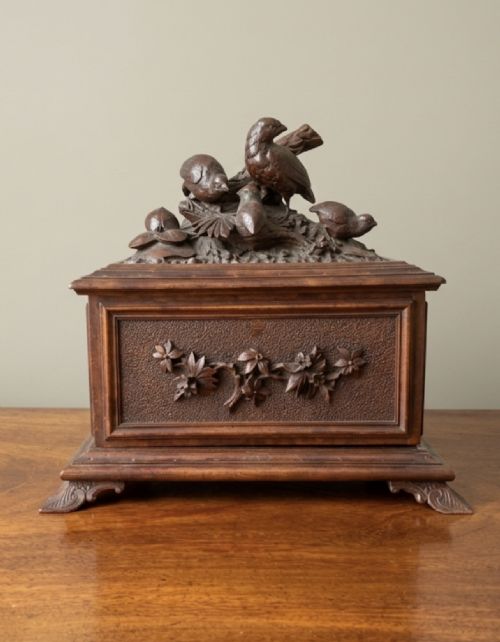
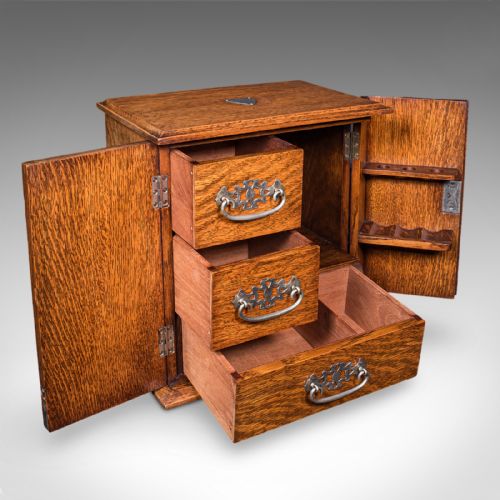
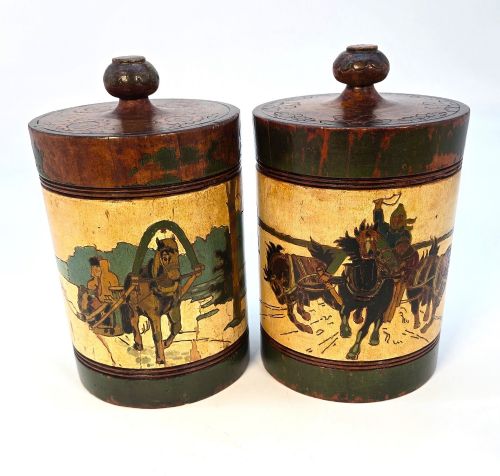
You are most likely to meet Black Forest carvings from the nineteenth century, often fashioned as bears or dogs holding barrels and boxes. Alongside these sit Edwardian smoking cabinets, railway wagon novelties, and Scandinavian birch root containers.
The objects serve as both functional smoking accessories and decorative wood sculpture. Makers utilised native timbers to carve detailed fur, grain, and structural elements that conceal the storage within.
Materials and construction
Carpenters and carvers shaped these pieces from oak, walnut, fruitwood, linden wood, and birch root using hand chisels and gouges. The selection relies heavily on carved wood, with secondary elements of brass hardware and glass inserts.
Figures such as bears and dogs are carved from single blocks or assembled from sections of timber, while smoking cabinets employ traditional joinery to house internal drawers and compartments. Painted decoration and surface wax finish the wood, highlighting the natural grain and carved textures.
Several nineteenth-century carvers clearly spent long winters staring at bears, resulting in remarkably intense wooden expressions looking out from lids.
Judging the work
Depth of carving and anatomical proportion separate standard boxes from superior work. A well-carved bear or dog displays expressive eyes, realistic fur texture, and clean joints where lids meet the body.
The choice of timber influences the crispness of the detail, with dense hardwoods and fine-grained linden wood holding sharper lines than coarser softwoods. Original brass hinges, locks, and inner linings also contribute to the integrity of the piece.
The Antique Carved Tobacco Humidor Glossary
- Black Forest
- A regional style of wood carving originating from the mountainous region of central Europe during the nineteenth century. These pieces frequently depict bears, dogs, and forest flora with deep relief work.
- Treen
- Small handmade wooden objects for household and personal use. The term covers everything from small containers to kitchenware shaped on a lathe or carved by hand.
- Smoking Cabinet
- A tabletop or wall-mounted wooden case designed to store pipes, tobacco jars, and matches. They often feature glazed doors and fitted internal drawers.
- Humidor
- A moisture-controlled box designed to keep tobacco leaf or cigars fresh. Antique versions typically rely on tight-fitting wooden lids and internal metal or glass liners rather than modern humidification units.
Antique Carved Tobacco Humidor: Frequently Asked Questions
How do I use an antique humidor today?
Antique humidors work well for displaying small items or storing cigars if you add a modern humidification element inside. Many collectors simply place them on desks or shelves as decorative wooden sculptures.
Because older woods can dry out or lack airtight seals, line the interior with a small modern pouch or jar if you intend to keep leaf fresh for long periods.
What woods were used for these humidors?
Carvers utilised local hardwoods and softwoods depending on the region and style. Linden wood, oak, walnut, fruitwood, and birch root appear frequently across nineteenth-century European workshops.
Linden wood was particularly favoured for detailed animal carvings because its fine grain allowed carvers to cut deep fur and expression without splitting.
How do I date a carved tobacco box?
Dating relies on the style of the carving, the hardware, and the timber choices. Pieces from the mid-nineteenth century often show heavier figurative carving, while Edwardian and Art Deco examples adopt cleaner lines or specific novelty themes.
Examine the hinges, screws, and lock plates, as machine-made components generally point toward later production around the turn of the twentieth century.
What is the difference between a jar and a humidor?
A tobacco jar is typically a ceramic or wooden vessel with a removable lid, while a humidor is a box or cabinet engineered to enclose and protect dry goods. In antique listings, the terms frequently overlap to describe any lidded container for smoking materials.
Cabinets offer multiple internal compartments for pipes and matches, whereas jars and boxes focus on a single central storage cavity.