
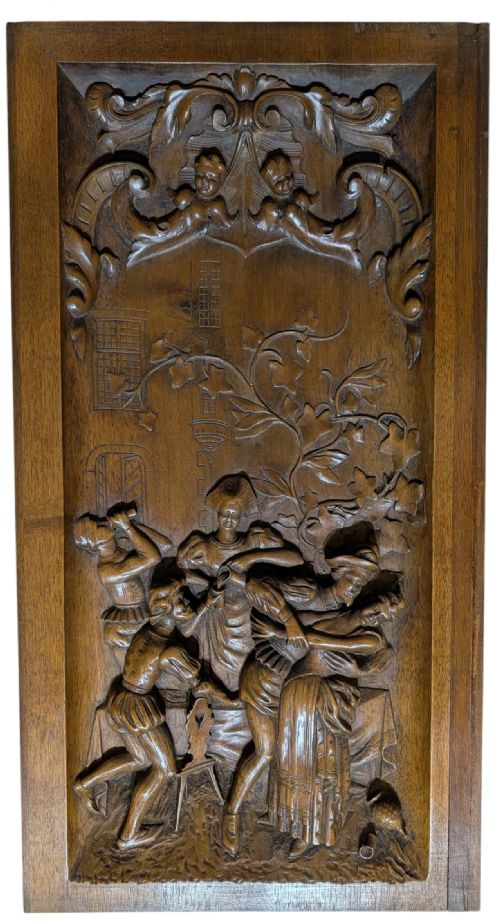


Brown Timber Wall Plaque
A brown timber wall plaque brings centuries of hand-carved relief work, architectural salvage, and folk art directly into a modern room.
Brown Timber Wall Plaque
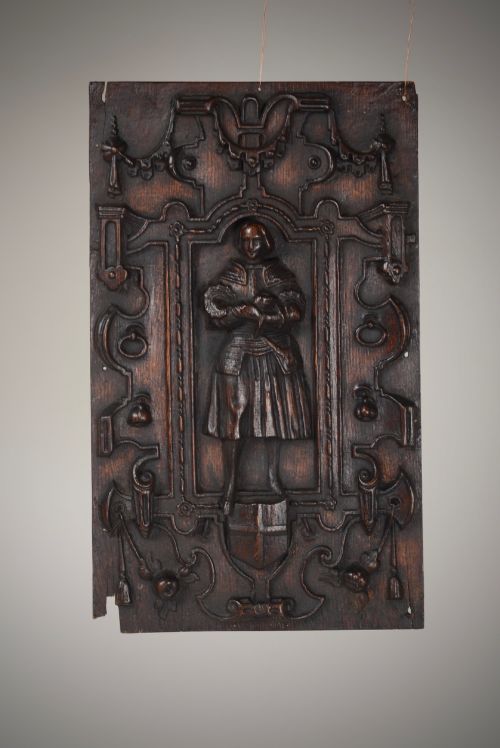
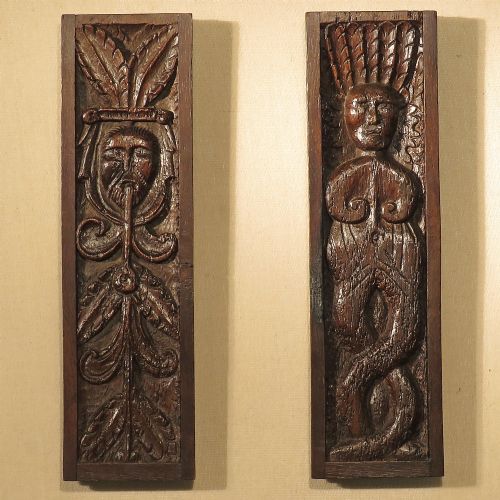
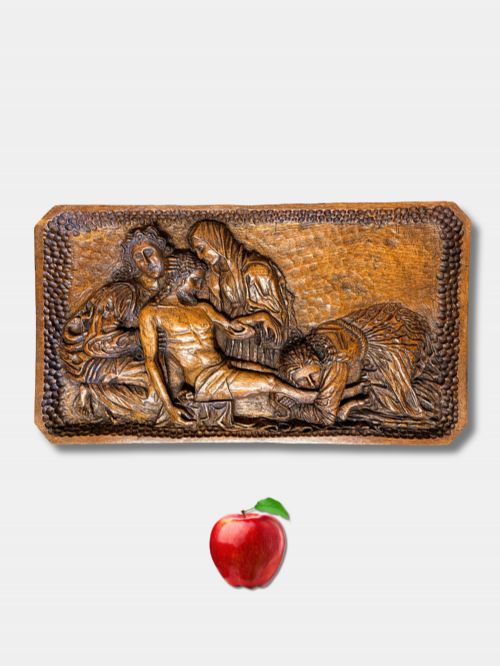
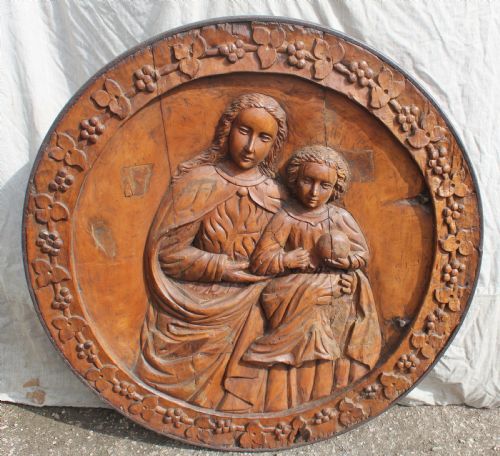
When you search for a brown timber wall plaque, you encounter a diverse collection of architectural salvage, relief carvings, and framed wooden panels spanning multiple centuries.
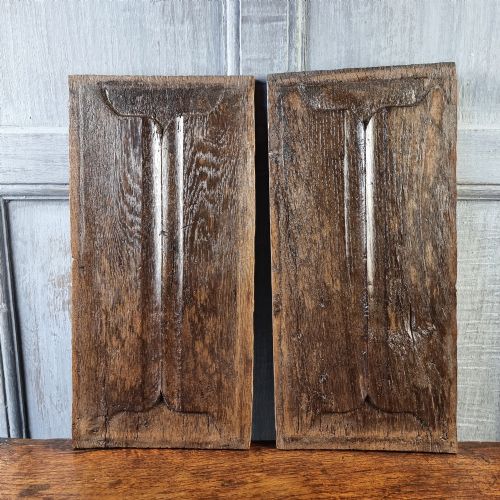
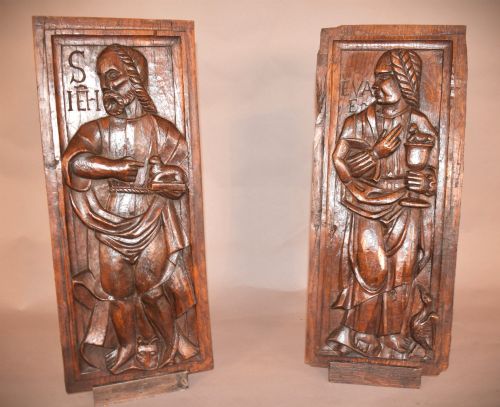
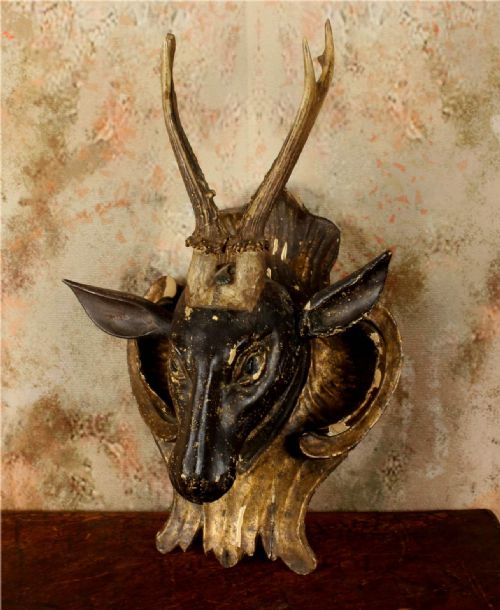
The selections on this page range from early Continental church fragments and linenfold panels to Victorian hunting trophies and detailed Black Forest animal carvings.
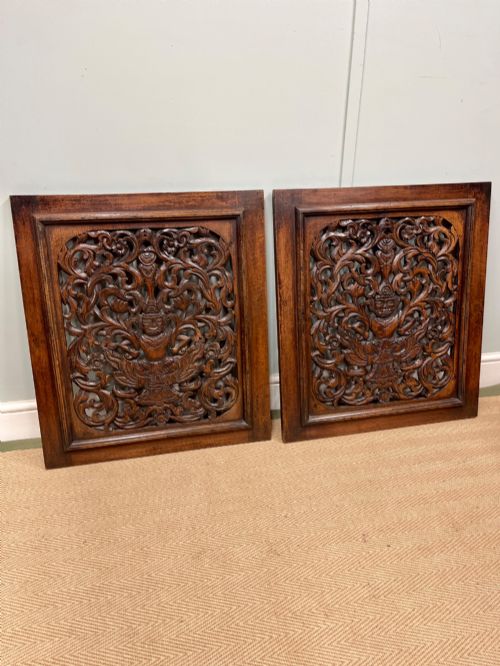
Oak, walnut, and mahogany form the structural core of these pieces, shaped into everything from classical allegories and religious scenes to folk art animal heads and decorative plaques.
Materials and construction methods
Carvers shaped these brown timber wall plaques using dense hardwoods such as oak, walnut, chestnut, and fruitwood, which allowed for crisp detail in deep relief work.
Traditional hand tools produced the undercut foliage, sculptural figures, and architectural motifs seen across the panels, while some items incorporate applied paint, marquetry, or natural antler.
Many items originated as architectural elements from historic buildings, later adapted for display as independent wall sculptures and decorative plaques.
The listings on this site span materials from oak, walnut, and mahogany to painted wood, hardwood, and natural antler.
Distinctions in quality
The standard of a brown timber wall plaque rests upon the depth of the carving, the crispness of the chisel work, and the anatomical accuracy of figurative or animal subjects.
Earlier pieces from the sixteenth and seventeenth centuries demonstrate rigorous hand-tool mastery and compositional balance, whereas later nineteenth-century interpretations lean towards expressive ornamentation and theatrical relief.
Condition plays a role, though historic surface patination and honest signs of age remain integral to the character of early wooden panels.
The Brown Timber Wall Plaque Glossary
- Linenfold
- A style of wood carving that mimics folded linen or parchment, frequently seen on sixteenth-century panels.
- Acanthus
- A decorative leaf motif modelled on the Mediterranean plant, heavily utilised in Baroque and Renaissance wood carving.
- Relief carving
- Sculptural work where the figures or patterns project from a flat background surface, varying from shallow to deep undercut forms.
- Black Forest
- A style of nineteenth-century wood carving originating from the German region, typically depicting realistic animals and hunting themes.
- Marquetry
- The art of applying pieces of veneer to a structure to form decorative patterns and pictorial designs.
Brown Timber Wall Plaque: Frequently Asked Questions
Are these plaques salvaged from historic buildings?
Many of these pieces originate as architectural salvage, having been removed from period interiors, churches, or historic European buildings during alterations.
Such panels were often reframed or mounted onto backing boards in later centuries to facilitate domestic display.
How should I clean antique wood carvings?
Dust timber wall plaques gently with a soft, dry brush to remove particles from deep recesses without disturbing the historic wax or surface patina.
Avoid liquid cleaners, silicones, and modern polishes, which can accumulate within intricate hand-carved crevices and darken the wood over time.
How do I distinguish sixteenth-century panels from nineteenth-century revivals?
Early panels display tool marks, timber shrinkage, and wear patterns consistent with centuries of handling, utilising regional woods native to their period of manufacture.
Revival pieces often exhibit more uniform machine preparation or distinct nineteenth-century framing techniques, even when adopting earlier Gothic or Renaissance styles.