





Carved Wooden Figural Sculptures
Carved wooden figural sculptures are tactile works that bring human and animal form into interiors, ranging from Black Forest studies to African tribal figures.
Carved Wooden Figural Sculptures
When you search for carved wooden figural sculptures, you encounter a diverse gathering of objects shaped from hardwood, fruitwood, oak, and walnut. These pieces cross the nineteenth century, Victorian, and Edwardian periods, stretching from European workshops to African and Chinese traditions.
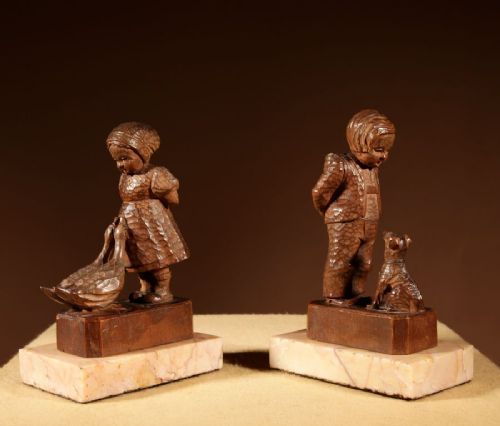
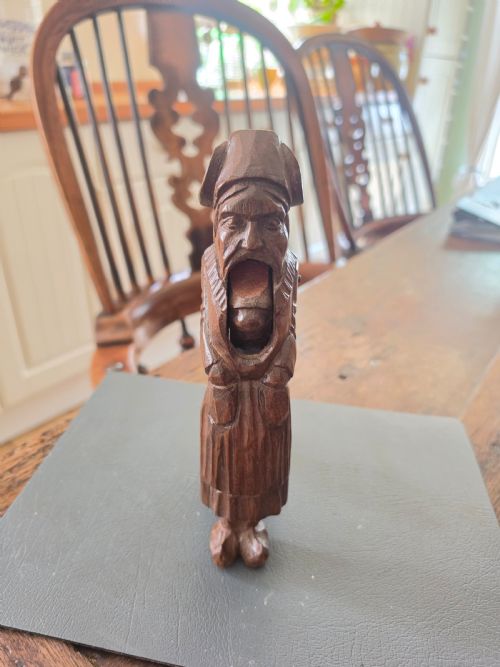
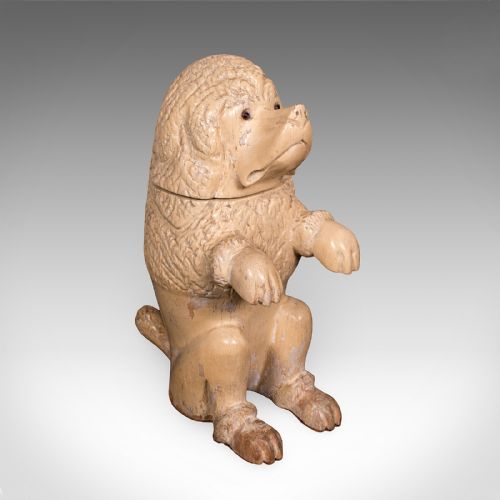
You are most likely to meet Black Forest carvings of children and animals, alongside African ceremonial spoons, headrests, and tribal tables. Functional items such as nutcrackers, tobacco jars, candlesticks, and inkwells frequently incorporate carved figures into their design.
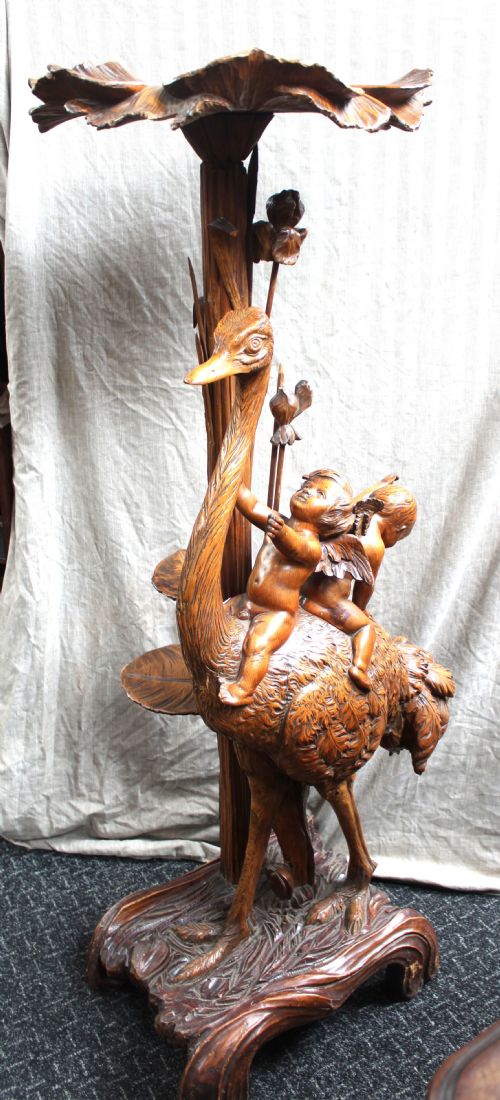
The selection also includes Italian Renaissance Revival stands and fantasy buffets, alongside Venetian figure stands and Chinese bamboo carvings. Each piece uses carved wood to merge utility with expressive sculpture.
What varies in quality
Material selection dictates longevity and visual depth, with dense walnuts and selected fruitwoods accepting sharper incisions than softer timbers. Integration between the carved figure and its functional purpose, such as an inkwell or nutcracker, marks the higher tiers of craftsmanship.
Carved Wooden Figural Sculptures Retail Price Guide 2026
Typical asking prices for carved wooden figural sculptures among the pieces listed under this phrase on Sellingantiques today, from the lower quarter to the upper quarter. They describe what is for sale here now, not the wider market.
Available forms range from Black Forest animal and human groups to African ceremonial spoons, slingshots, and Chinese bamboo carvings.
The Carved Wooden Figural Sculptures Glossary
- Black Forest
- A style of wood carving originating from the mountainous region of central Europe, typically depicting animals and figures in rich dark wood. These pieces often take the form of inkwells, nutcrackers, and sculptural groups.
- Treen
- Small handmade wooden domestic objects, encompassing items like tobacco jars, spoons, and treen figures. The term derives from the old word for tree.
- Socle base
- A short plain pedestal or plinth supporting a bust, figure, or candlestick. It elevates the sculpture and provides a stable foundation.
- Fruitwood
- Dense, fine-grained timber sourced from fruit-bearing trees such as pear, apple, or cherry. Carvers favoured it for intricate work due to its minimal splitting.
Carved Wooden Figural Sculptures: Frequently Asked Questions
What are Black Forest carvings?
Black Forest carvings are wooden sculptures and decorative objects produced in central Europe during the nineteenth and early twentieth centuries. They are recognised by their realistic animal subjects and human figures.
These pieces often double as functional items, including inkwells, nutcrackers, and pipe holders, carved from rich walnut and limewood.
What is treen?
Treen encompasses small, functional wooden objects created for household use before the advent of mass production. This category includes items like tobacco jars, spoons, and small containers.
Collectors prize treen for the smooth tactile surfaces developed through decades of handling and use.
How are African tribal carvings dated?
Dating traditional African wood carvings relies on analyzing the tool marks, wood species, and the wear patterns left by ceremonial or daily use. Stylistic traits associated with specific regions and periods also help establish age.
Examine the patina, as genuine handling over generations creates a deep, unrepeatable surface sheen.
What is a socle base?
A socle base is a round or square plinth that acts as a pedestal for a figure, bust, or candlestick. It lifts the primary sculpture slightly above the surface.
This architectural addition provides visual weight at the bottom of a composition, balancing taller carved elements.