



Black Forest Carved Statues
Black forest carved statues are expressive wooden sculptures depicting animals, figures and folk scenes, prized for bringing rustic alpine character into a room.
Black Forest Carved Statues
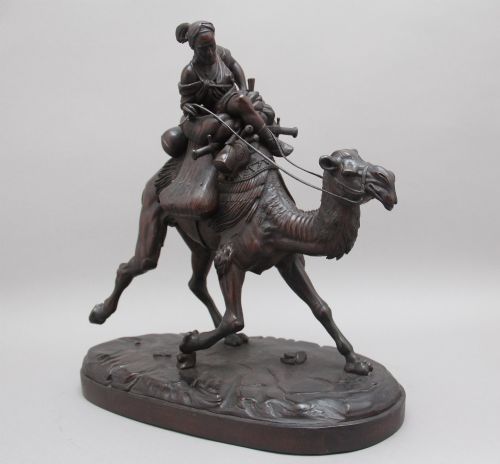
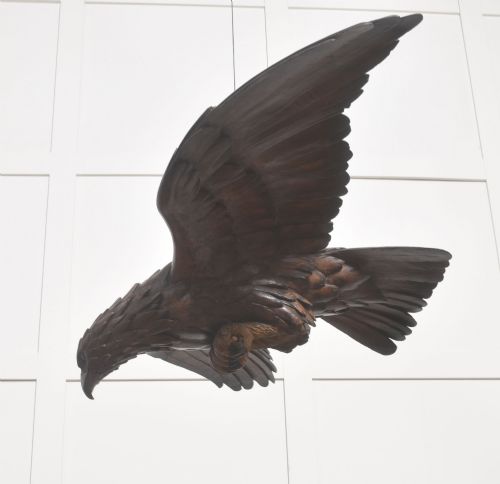
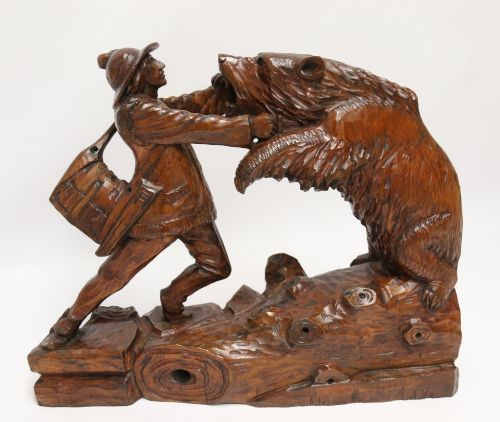
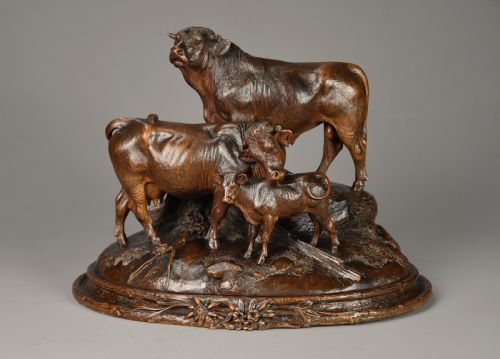
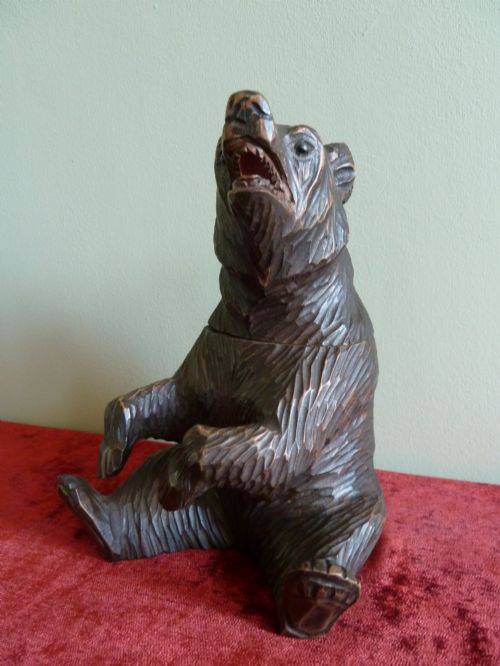
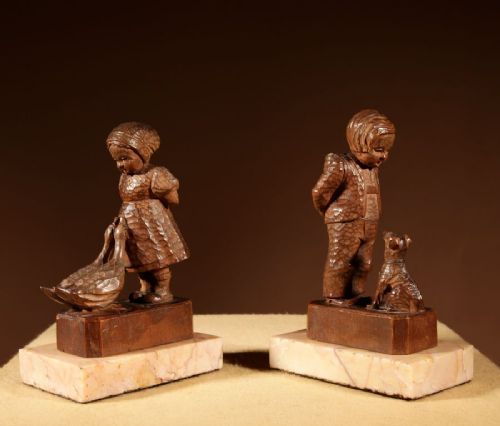
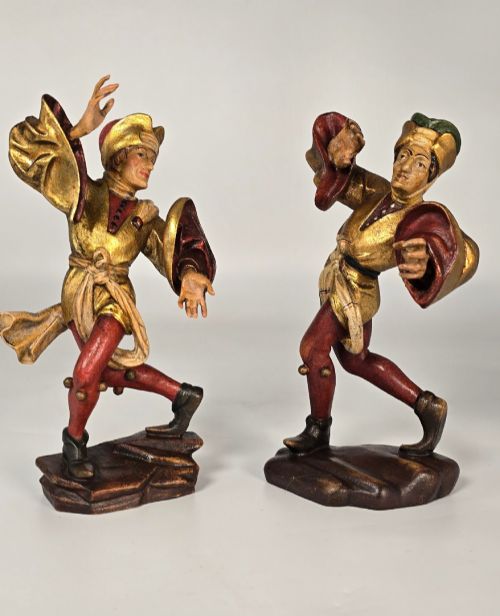
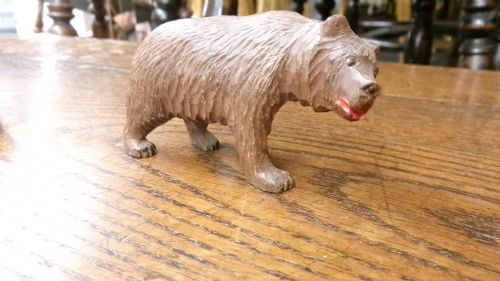
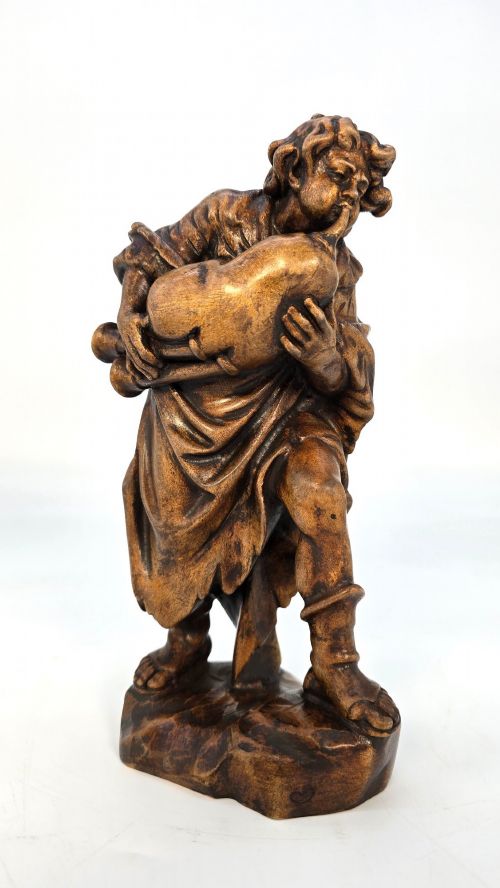
When you search for black forest carved statues, you encounter richly detailed wooden figures and groups originating primarily from the nineteenth and early twentieth centuries. These pieces span familiar subjects like bears, deer, birds and human figures in peasant or medieval attire.
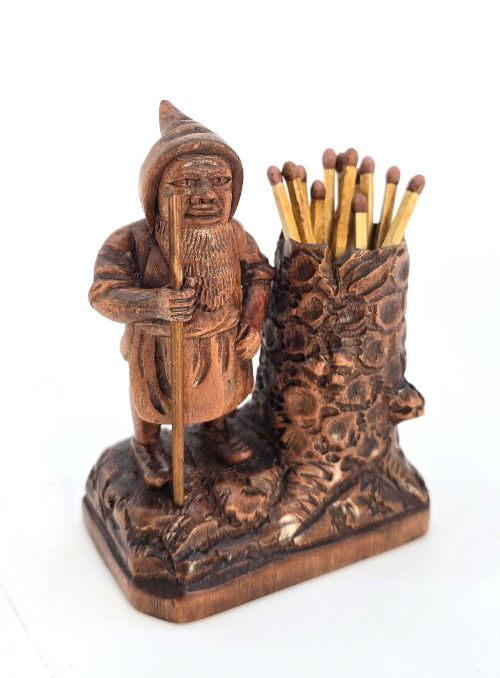
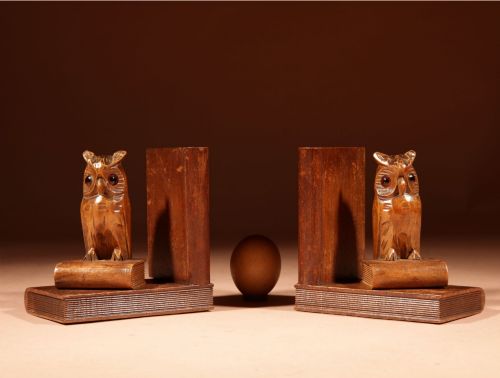
The objects take diverse functional and decorative forms, including freestanding sculptures, bookends, match holders, lamps and tobacco holders. Examples on this page frequently emerge from Swiss and broader Alpine folk art traditions.
Single animals and pairs of bears, cattle or birds dominate the selection. Figures range from miniature bears to large eagles and human characters such as shepherds and musicians.
How they were made
Carvers shaped these works primarily from various domestic timbers, notably walnut, limewood, linden wood and lime wood. The choice of wood allowed artisans to achieve deep undercut details and realistic textures.
Makers occasionally utilised paint or integrated glass eyes to heighten the realism of animal subjects. Surfaces were finished to highlight the natural grain and warm tones of the carved wood.
Black Forest Carved Statues Retail Price Guide 2026
Typical asking prices for black forest carved statues among the pieces listed under this phrase on Sellingantiques today, from the lower quarter to the upper quarter. They describe what is for sale here now, not the wider market.
Listings feature woods such as walnut and limewood shaped into bears, birds and human figures.
What varies in quality
Complexity of composition also influences distinction, with multi-figure groups, signed works and functional objects like match holders or bookends demonstrating greater artisan skill.
J Huggler
The Black Forest Carved Statues Glossary
- Linden wood
- A pale, fine-grained timber frequently chosen by carvers for its cooperative working qualities. It allowed artisans to execute intricate undercut details without splintering.
- Match holder
- A small functional container integrated into a carved figure, designed to hold safety matches alongside a striking surface. These pieces combined utility with whimsical animal or human sculpture.
- Figure group
- A sculptural composition featuring multiple interacting humans or animals. These multi-part arrangements required advanced joinery and spatial planning from the carver.
Black Forest Carved Statues: Frequently Asked Questions
What animals appear most often?
Bears, deer, cattle and birds emerge most frequently across these wooden sculptures.
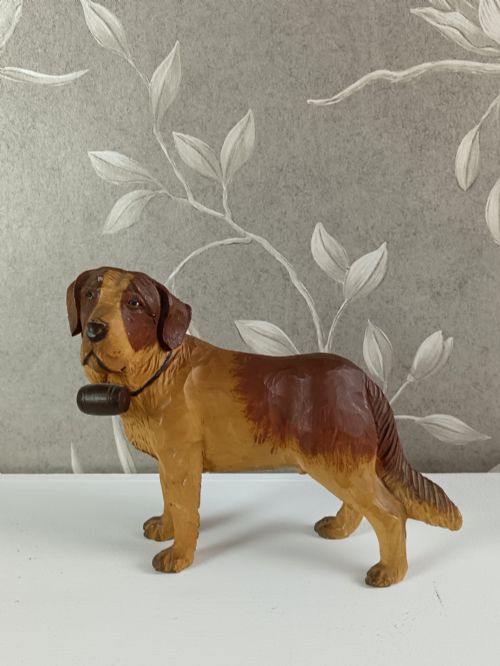
Carvers also portrayed dogs, ibex and chamois in various dynamic poses.
Were these pieces functional?
Many sculptures served practical purposes alongside their decorative appeal.
Examples include bookends, lamp bases, match holders and tobacco containers.
How do I date a carving?
Stylistic cues, material choice and occasional signatures or stamps help determine age.
Most examples date from the nineteenth century through the early twentieth century.
Where were they made?
The pieces originate predominantly from the Alpine regions of Switzerland and Germany.
Local workshops specialised in distinct folk art styles utilising native timbers.