
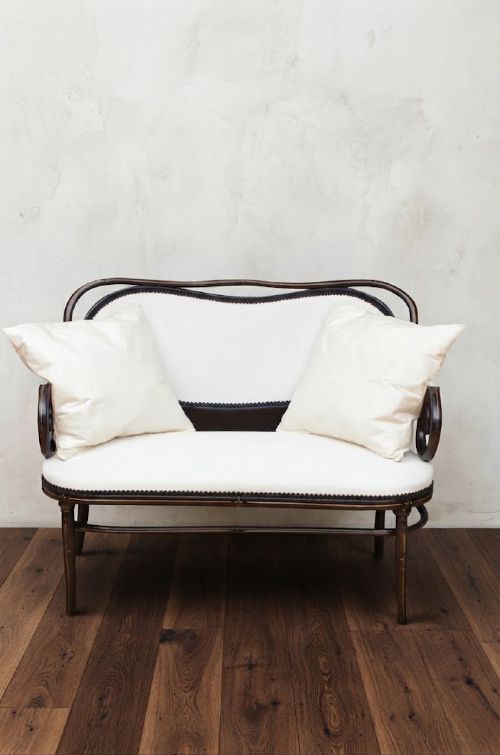
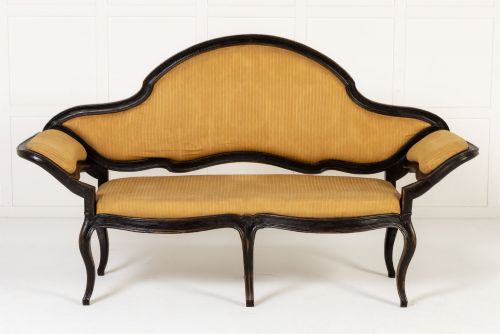


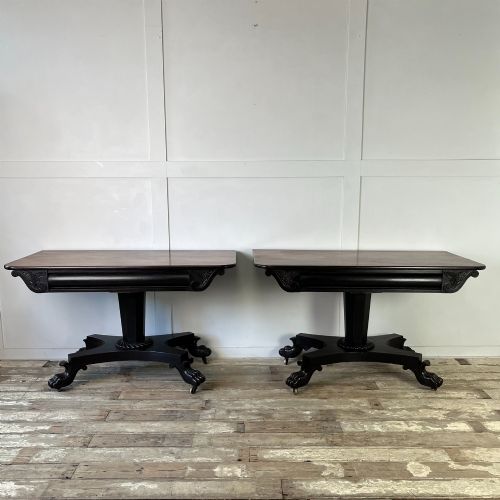


Black Ebonised Sofa
A black ebonised sofa offers a striking silhouette in a room, bringing dark timber and crisp lines together for a dramatic seat.
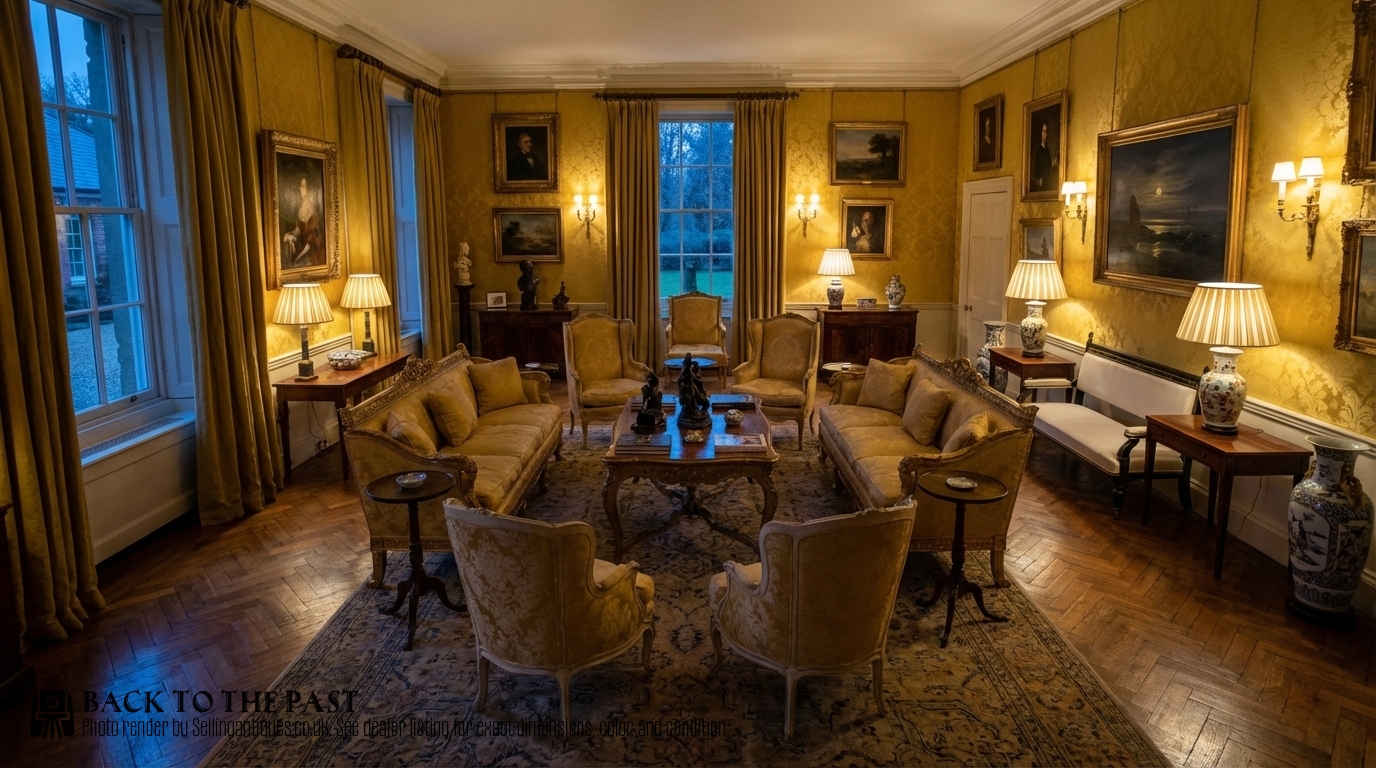
Black Ebonised Sofa
A black ebonised sofa brings together a dark finish and period forms across several centuries of design. You will encounter styles ranging from Regency and William IV to the Aesthetic Movement and Victorian eras.
Many examples incorporate textile elements such as velvet tasseled tops and traditional upholstery foundations like hessian and fringe. They reflect continental and English cabinet-making traditions from the eighteenth century onwards.
What varies in quality
The refinement of the timber preparation and the depth of the ebonising finish set exceptional examples apart from simpler pieces. Subtle variations in the crispness of carved mouldings and the fidelity of period details reveal the skill of the original workshop.
The choice of secondary woods and the quality of underlying construction dictate the durability of each settee. Pieces that retain their original textile fringes, upholstery materials, and brass details command greater interest from collectors.
The furniture forms on this page include console tables, centre tables, window seats, and day beds alongside traditional settees.
Thonet·Willian Trotter
The Black Ebonised Sofa Glossary
- Ebonised
- Wood treated with a stain, dye, or polish to imitate the deep black colour of true ebony. It became popular during various revival periods to achieve a formal, striking aesthetic.
- Aesthetic Movement
- A late nineteenth-century design style emphasising visual beauty over narrative or moral function. Pieces from this period often feature stylised natural motifs and clean ebonised lines.
- Scroll-End
- A furniture arm or frame termination shaped like a rolled scroll. This curving profile adds dynamic movement to nineteenth-century seating designs.
- Hessian
- A coarse woven fabric typically utilised as a traditional upholstery foundation underneath top covers. It provides structural support for the internal stuffing of antique seats.
- Regency
- An English design style spanning the early nineteenth century defined by classical restraint and archaeological influence. Furniture from this period frequently incorporates dark wood finishes and classical mounts.
Black Ebonised Sofa: Frequently Asked Questions
How do I care for ebonised wood?
Dust regularly with a soft, dry cloth to prevent particles from scratching the dark finish. Avoid modern silicone polishes that leave a film, opting instead for traditional wax where appropriate.
Keep these pieces away from direct sunlight and excessive heat sources to prevent the wood from drying or the finish from fading over time.
Are these sofas comfortable for daily use?
Antique seating prioritised upright posture and formal sitting habits rather than deep lounging. The underlying support relies on period materials like hessian and traditional stuffing.
While perfectly suitable for contemporary sitting rooms, they offer a firmer sit compared to modern upholstery.
How do I identify an Aesthetic Movement sofa?
Look for crisp ebonised woodwork combined with stylised decorative motifs such as sunflowers or geometric inlays. These pieces often reflect a Japanese influence through spare, elegant lines.
They emerged strongly in the late nineteenth century as a deliberate break from heavy Victorian ornamentation.