
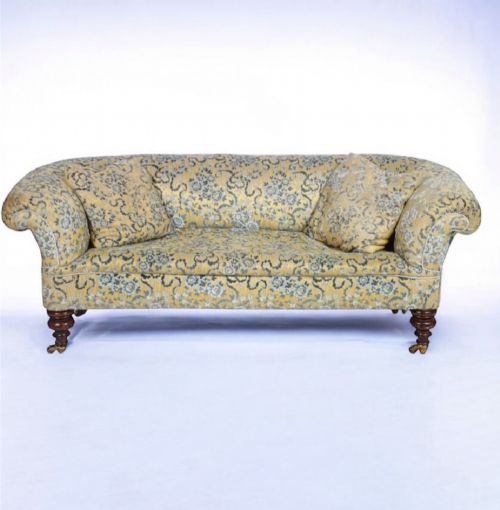
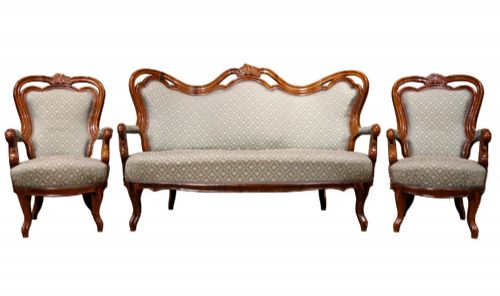


Victorian Three Seat Sofa
A victorian three seat sofa provides substantial seating with nineteenth-century proportions and traditional upholstery.
Victorian Three Seat Sofa
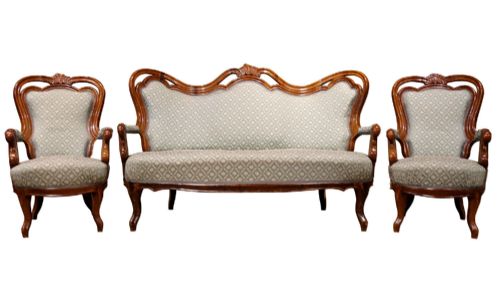
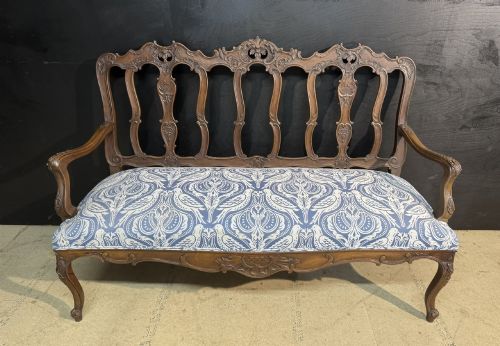
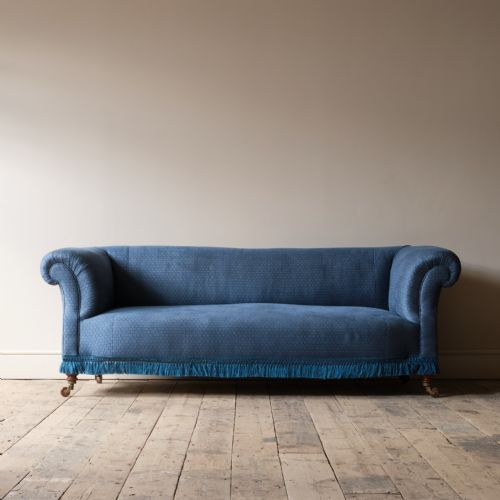
A victorian three seat sofa offers extended seating forms spanning the nineteenth century, including deep chesterfields, country house models, and carved salon suites. Buyers seeking this phrase encounter generously proportioned seating designed for principal rooms, often upholstered in velvet, leather, or patterned fabric.
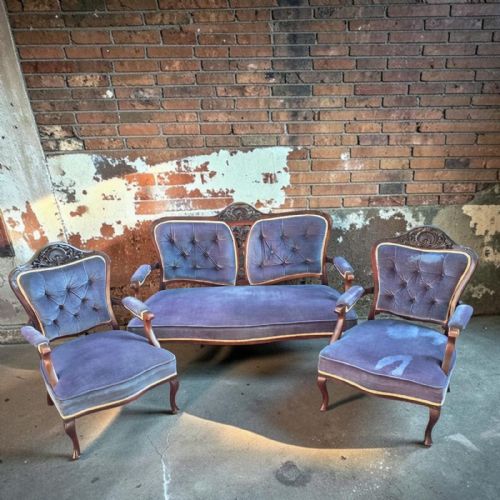
The selection here encompasses various regional interpretations and stylistic revivals from the period. Pieces range from button-backed settees in walnut or mahogany to overstuffed leather designs resting on timber or brass castors.
Makers and workshops of the era produced these large seating pieces using robust timber frames covered in sprung upholstery. Surviving examples demonstrate the domestic comfort valued in nineteenth-century interiors.
How they were made
Frames rely on hardwoods such as walnut, mahogany, and timber, providing structural stability for three-seater proportions. Joinery techniques secure the long seat rails and backrests needed to support multiple sitters.
The listings show frames constructed from walnut, mahogany, satinwood, and general timber, paired with leather, velvet, and fabric coverings.
What varies in quality
The refinement of timber carving and the choice of primary frame woods distinguish standard production from finer workshop outputs. Superior examples exhibit substantial walnut or mahogany framing with crisp detailing.
The integrity of the underlying upholstery build and the choice of covering material dictate the character of each piece. Original leather hides, specific maker attribution, and intact sprung foundations elevate specific examples above standard variants.
Hampton and Sons·Howard and Sons·Gillows·William Birch
The Victorian Three Seat Sofa Glossary
- Chesterfield
- A deep-buttoned upholstered sofa traditionally featuring arms and back of the same height. This form appears frequently in leather or fabric across nineteenth-century examples.
- Settee
- A medium to large-length seat with a back and arms, often accommodating three or more people. The term is used interchangeably with sofa in many period listings.
- Salon suite
- A matching set of seating furniture, typically comprising a larger settee and matching armchairs for formal reception rooms. These suites often share identical timber frames and upholstery treatments.
- Button back
- An upholstery technique where buttons are pulled deep into the stuffing to create a geometric diamond pattern. This method provides both structural tension and decorative relief on the backrest.
- Overstuffed
- A style of upholstery where the padding completely covers the wooden frame leaving little to no timber visible. This construction prioritises soft cushioning and deep seating comfort.
Victorian Three Seat Sofa: Frequently Asked Questions
How do I identify a genuine period piece?
Examine the timber framing beneath or behind the upholstery to check for period wood types like mahogany and walnut. Hand-cut joinery and traditional stuffing materials indicate nineteenth-century construction methods.
Compare the proportions and stylistic details against documented examples from the era. Makers' stamps or marks on the wood or castors offer definitive confirmation of origin.
Are these sofas suitable for daily use?
These large seating pieces were built for domestic comfort and withstand regular use when structurally sound. Robust timber frames and traditional spring systems provide durable support for multiple occupants.
Consider the condition of the internal webbing and springs before heavy daily placement. Professional evaluation ensures the internal support remains stable for modern living.
How should I care for leather upholstery?
Maintain leather surfaces by dusting regularly with a dry cloth and applying appropriate leather balms periodically. This prevents the hide from drying out and preserves the natural finish of period leather.
Position the seating away from direct sunlight and heat sources to avoid cracking. Gentle treatment preserves the patina accumulated over the nineteenth and twentieth centuries.
Can I reupholster a traditional sofa?
Reupholstery is a common practice for pieces requiring fabric updates or structural restoration. Skilled upholsterers can strip back worn outer layers while retaining the original internal frame and webbing.
Select replacement fabrics that suit the nineteenth-century character of the frame. Traditional materials such as velvet, leather, or patterned cloth maintain historical sympathy.