




Linen Upholstered Settee
A linen upholstered settee brings texture and understated elegance to a room, offering generous seating rooted in centuries of craftsmanship.
Linen Upholstered Settee
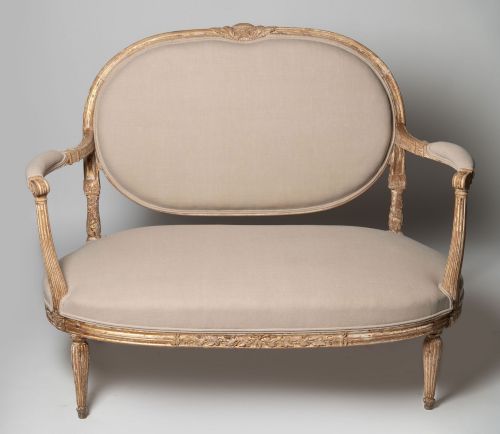
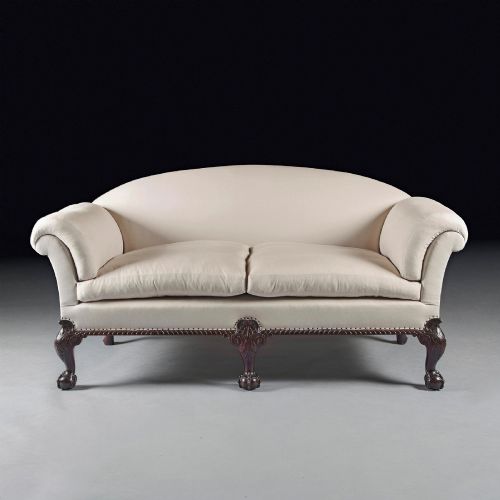
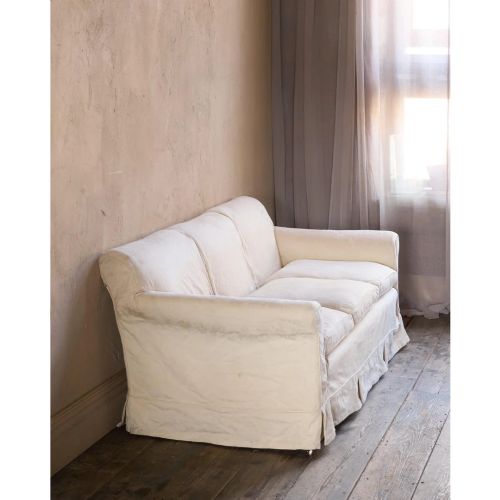
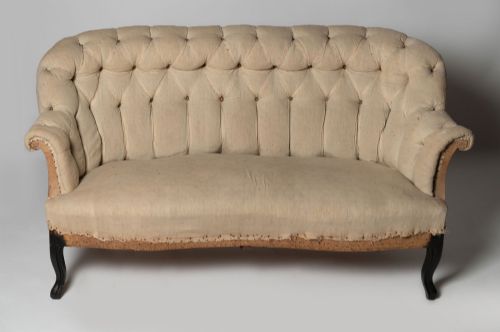
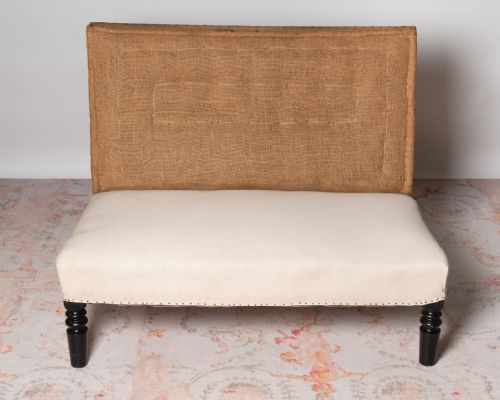
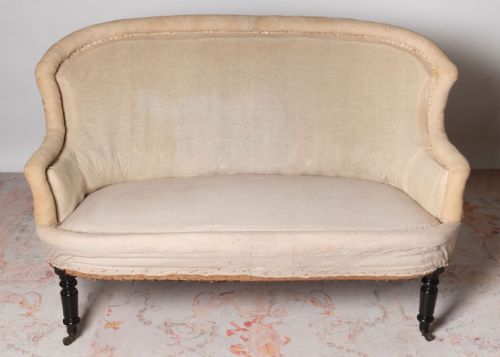
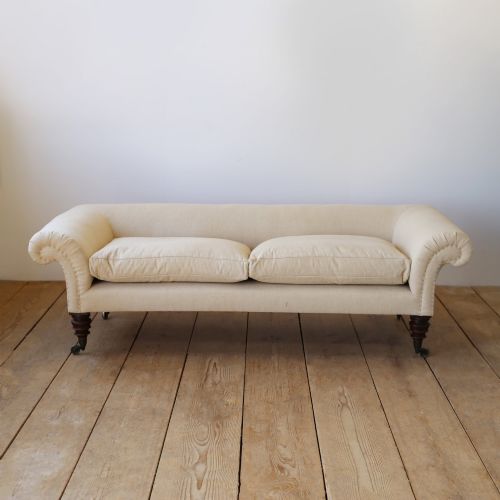
When you search for a linen upholstered settee, you are looking at seating options that range from 18th century Swedish and Italian examples to 19th century French models and Edwardian country house pieces. These are double or triple seaters designed for formal reception rooms or relaxed living spaces, upholstered in plain or textured linen fabric.
The versions you are most likely to meet on this page span the 18th, 19th and early 20th centuries, including styles such as Louis XVI, French provincial, neoclassical and Victorian Chippendale revival. Frames vary from carved walnut and beech to painted timber, often paired with exposed wooden legs and arms.
Object types on offer stretch across sofas, banquettes, canapes, wing settees and benches, reflecting diverse European traditions. Whether you select an Italian neoclassical model or an Edwardian country house sofa, the focus remains on comfortable proportions paired with neutral textile upholstery.
How they were made
Makers constructed these frames from solid timbers including walnut, beech, mahogany and general wood, carving decorative details directly into the structural wood for styles like Louis XV and neoclassical. Traditional joinery methods secured the arms, backs and legs before upholsterers applied supportive layers of hessian and calico beneath the final linen cover.
Surface treatments ranged from polished mahogany and bleached walnut to painted finishes on French and continental frames, sometimes accented with brass details. Upholstering involved stretching durable linen over traditional stuffing, securing the edges with careful tacking.
Materials recorded across these settees include linen, brass, wood, beech, timber, hessian, mahogany and calico.
What varies in quality
The distinction between ordinary and superior pieces rests in the sharpness and depth of the timber carving, alongside the integrity of the underlying frame construction. Finer examples display fluid, hand-carved details in walnut or beech, whereas simpler pieces rely on basic turned timber or painted surfaces.
Proportion and balance also set exceptional settees apart, with superior items maintaining harmonious lines across the backrest, arms and seat height. The choice of secondary woods and the precision of the joinery further separate standard workshop production from master craftsmanship.
The Linen Upholstered Settee Glossary
- Canape
- An ornamental sofa with an upholstered seat and back, popular in 18th century French design. These pieces often feature exposed carved wooden frames.
- Banquette
- A long upholstered bench or settee without a back or with a partial back, originating in French interiors. They fit well in hallways or against walls.
- Hessian
- A coarse woven fabric typically made from jute fibres, utilised as a strong foundational layer beneath top upholstery. It supports the inner padding of older seating.
- Neoclassical
- A style spanning the 18th and 19th centuries that draws inspiration from classical antiquity, characterised by straight lines, symmetry and restrained ornamentation.
- Calico
- A plain-woven cotton fabric traditionally used as an under-upholstery layer to hold internal stuffing in place before applying the final outer textile.
Linen Upholstered Settee: Frequently Asked Questions
How do I clean linen upholstery?
Maintenance depends on whether the linen is fixed or removable. Vacuum gently using a soft brush attachment to remove dust.
For marks, spot clean cautiously with a damp cloth and mild detergent, avoiding excess water that might affect the underlying timber frame.
Where should I place a settee?
These pieces suit living rooms, large bedrooms or spacious hallways where their length can be appreciated. Position them away from direct sunlight to protect the natural linen fibres from fading.
Ensure there is enough clearance around the frame to showcase carved wooden details or painted finishes.
How can I tell a French style from an English one?
French settees often display carved cabriole legs, exposed walnut or beech frames, and motifs associated with Louis periods. English country house variants tend to focus on deep seating proportions and heavier upholstered forms.
Examining the underlying timber and carving style helps clarify the regional origin of the piece.
Are these settees comfortable for daily use?
Most period settees were built with substantial interior padding and supportive frames designed for extended seating. Comfort varies depending on the firmness of the original style and any modern restoration work.
Adding matching cushions can adjust the seat depth to suit your personal preference for relaxing.