


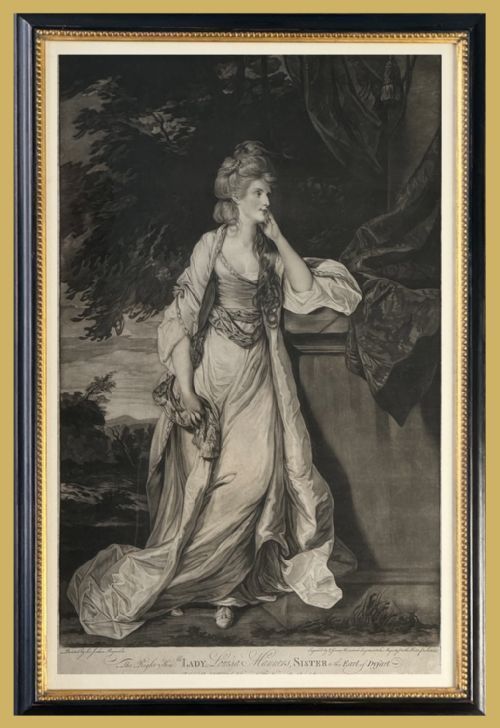
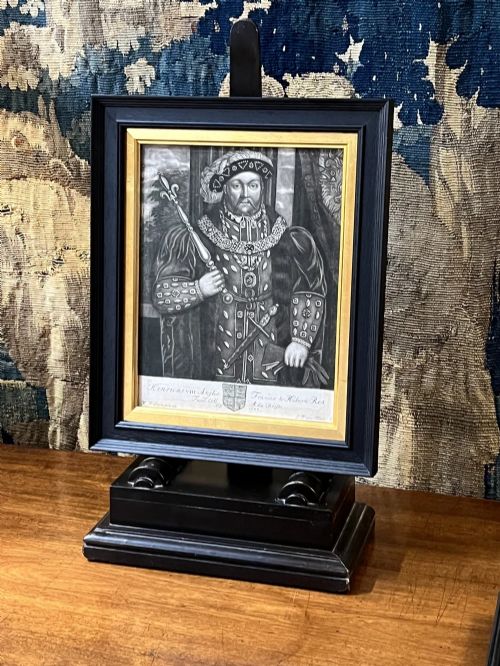
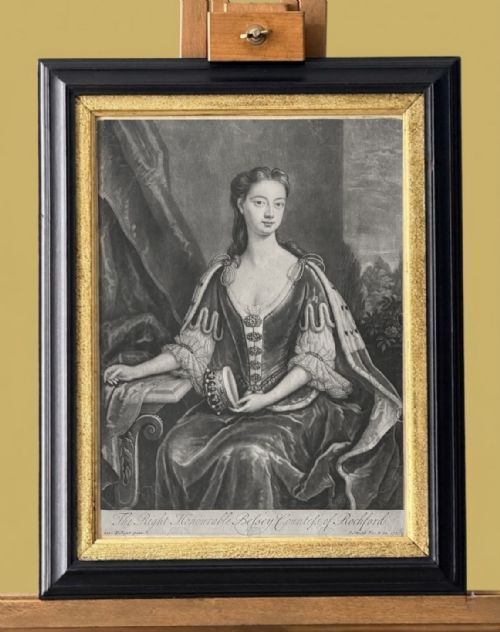
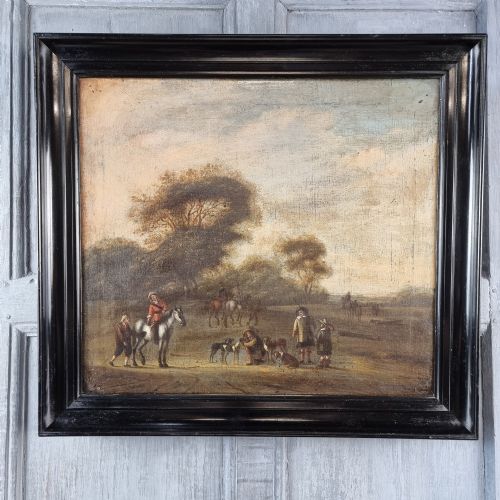
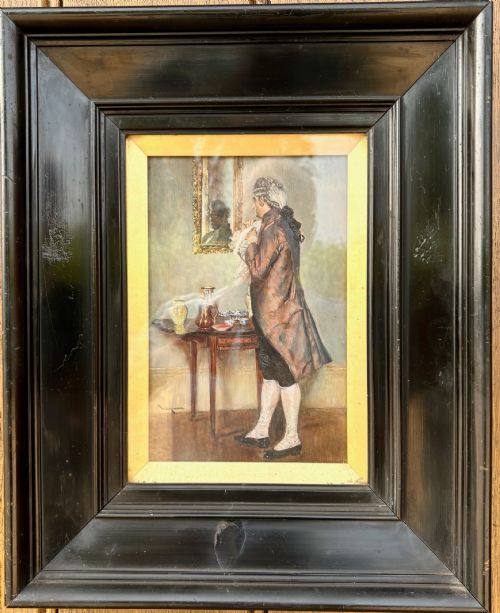
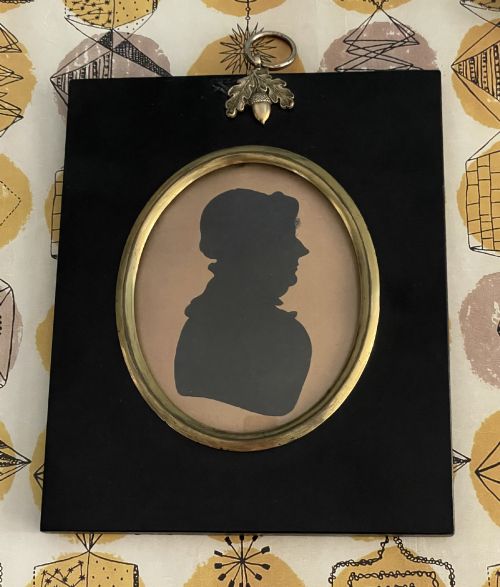
Black Ebonised Frame
A black ebonised frame offers a sharp, dark border that draws the eye directly into historic portraits, mirrors, and delicate works on paper.
Black Ebonised Frame
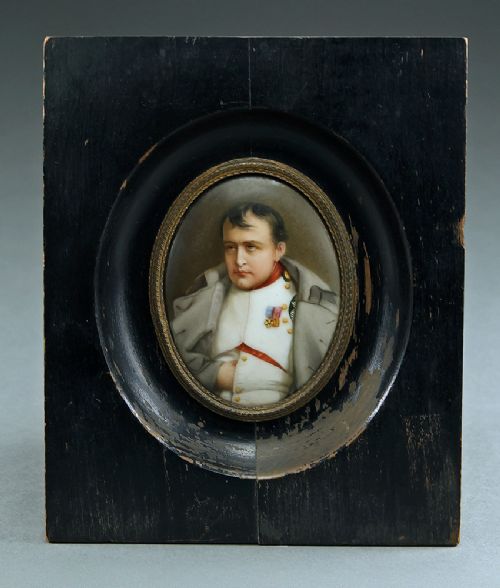
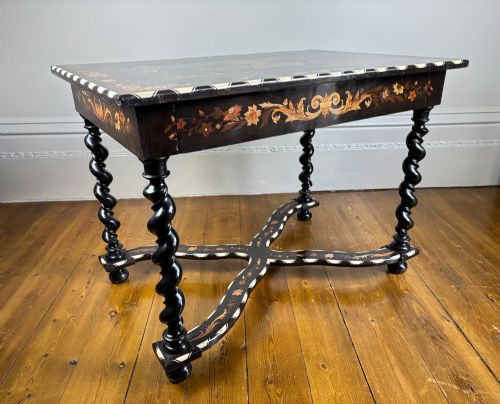
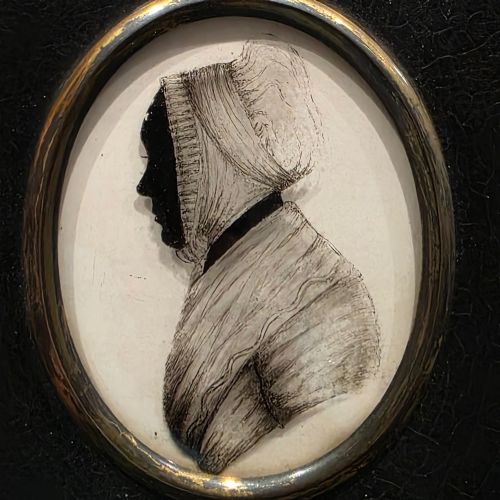
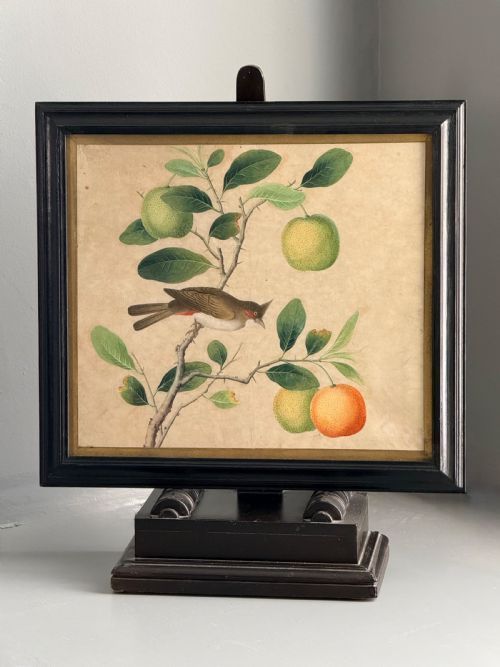
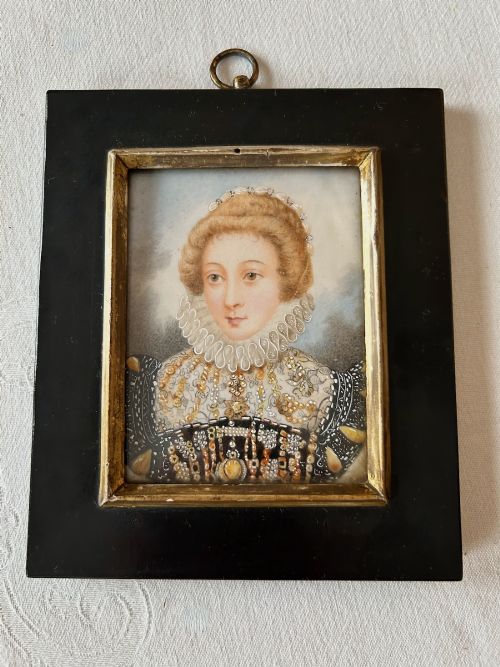
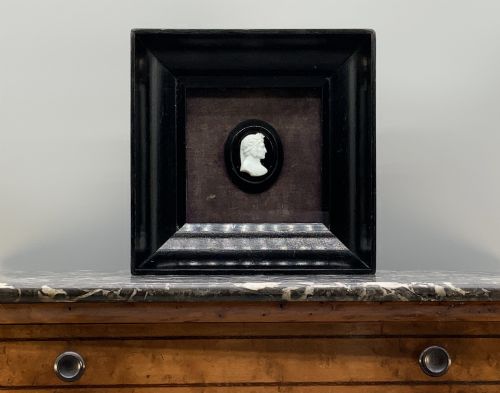
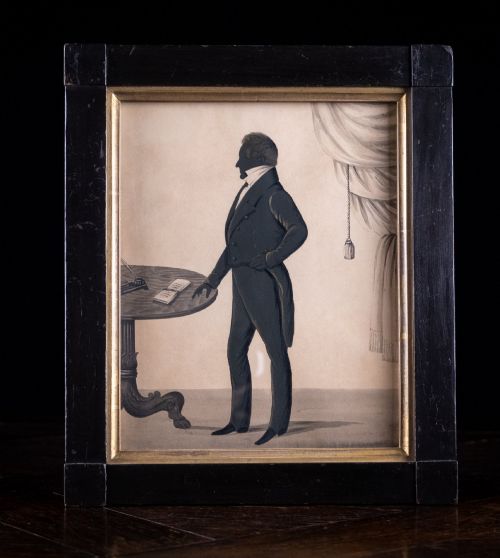
When searching for a black ebonised frame, collectors find themselves looking at a diverse selection of mirrors, portrait miniatures, oil paintings, and prints spanning several centuries. The dark finish was utilised across numerous periods to provide contrast and focus.
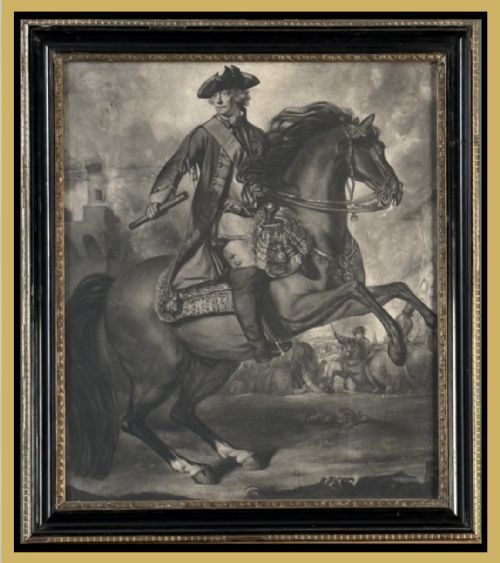
The items range from 17th-century landscapes and 18th-century mezzotints to Victorian overmantle mirrors and Napoleon III pier mirrors. The most frequent iteration on this page is the dark wooden mirror or the framed historic portrait.
Makers and artisans applied ebonising to simulate expensive ebony wood on more accessible timbers like beech, creating a sleek, dark aesthetic that suited Georgian, Regency, and Victorian interiors alike.
What varies in quality
Quality rests in the depth and preservation of the ebonised finish, the crispness of any carved mouldings, and the integration of parcel-gilt highlights.
Pieces that retain their original glass, backboards, and authentic fixings command higher regard among purists than those with modern restorations.
The artistry of the contents - whether a finely detailed portrait miniature or a substantial mirror plate - elevates the overall standing of the framed piece.
Some ebonised frames secretly harbour tiny brass wire inlays designed to catch the flickering glow of a single tallow candle.
Edward Fisher·Sir Joshua Reynolds·John Faber Snr·Hans Holbein the Younger
The Black Ebonised Frame Glossary
- Ebonised
- Wood treated to imitate ebony, typically fruitwood, beech, or similar timbers stained and polished to a deep black colour.
- Parcel-gilt
- Partially gilded with gold leaf, highlighting specific carved sections or details against a dark background.
- Mezzotint
- A printmaking process of the intaglio family, allowing smooth gradations of light and shade in historical portraits.
- Overmantle mirror
- A large wall mirror designed specifically to hang above a fireplace mantelpiece.
- Gouache
- An opaque water-based paint used on paper or pith, yielding rich colours in antique miniatures and paintings.
Black Ebonised Frame: Frequently Asked Questions
How do I date a black ebonised frame?
Dating relies on examining the construction methods of the timber, the type of fixings, and the style of the moulding. Earlier pieces from the 17th and 18th centuries often feature hand-cut joints and distinct joinery compared to later Victorian iterations.
The context of the artwork or mirror plate housed within the ebonised wood also provides crucial chronological clues, matching the prevailing aesthetic of periods like Regency or Napoleon III.
What is the difference between ebonised wood and ebony?
Ebony is a naturally dense, dark heartwood harvested from tropical trees, prized for its heavy weight and dark colour without surface treatment. Ebonised wood is typically a domestic timber, such as beech or fruitwood, stained or polished to replicate the appearance of true ebony.
This technique allowed historical cabinetmakers to achieve a similar dramatic, dark aesthetic while utilising more accessible local materials for mirrors and picture frames.
How were these frames used historically?
Historically, these dark frames served to isolate and elevate important domestic portraits, prints, and decorative mirrors on panelled or plastered walls. The neutral black boundary prevented distraction, drawing the viewer's attention toward the fine details of the artwork.
Larger overmantle examples were positioned above fireplaces to reflect candlelight and natural illumination around grand drawing rooms.
Can I hang a heavy ebonised mirror on any wall?
Hanging a substantial antique mirror requires identifying structural wall studs or utilising heavy-duty wall anchors suited to the weight of the timber and glass. The density of traditional woods means these frames are often heavier than modern equivalents.
Professional framing and hanging hardware ensure the historic piece remains secure without straining the original wood structure.