


Black Cast Iron Grate
These black cast iron grate pieces bring heavy metalwork hearth furniture into period rooms, offering robust structure for solid fuel fires.
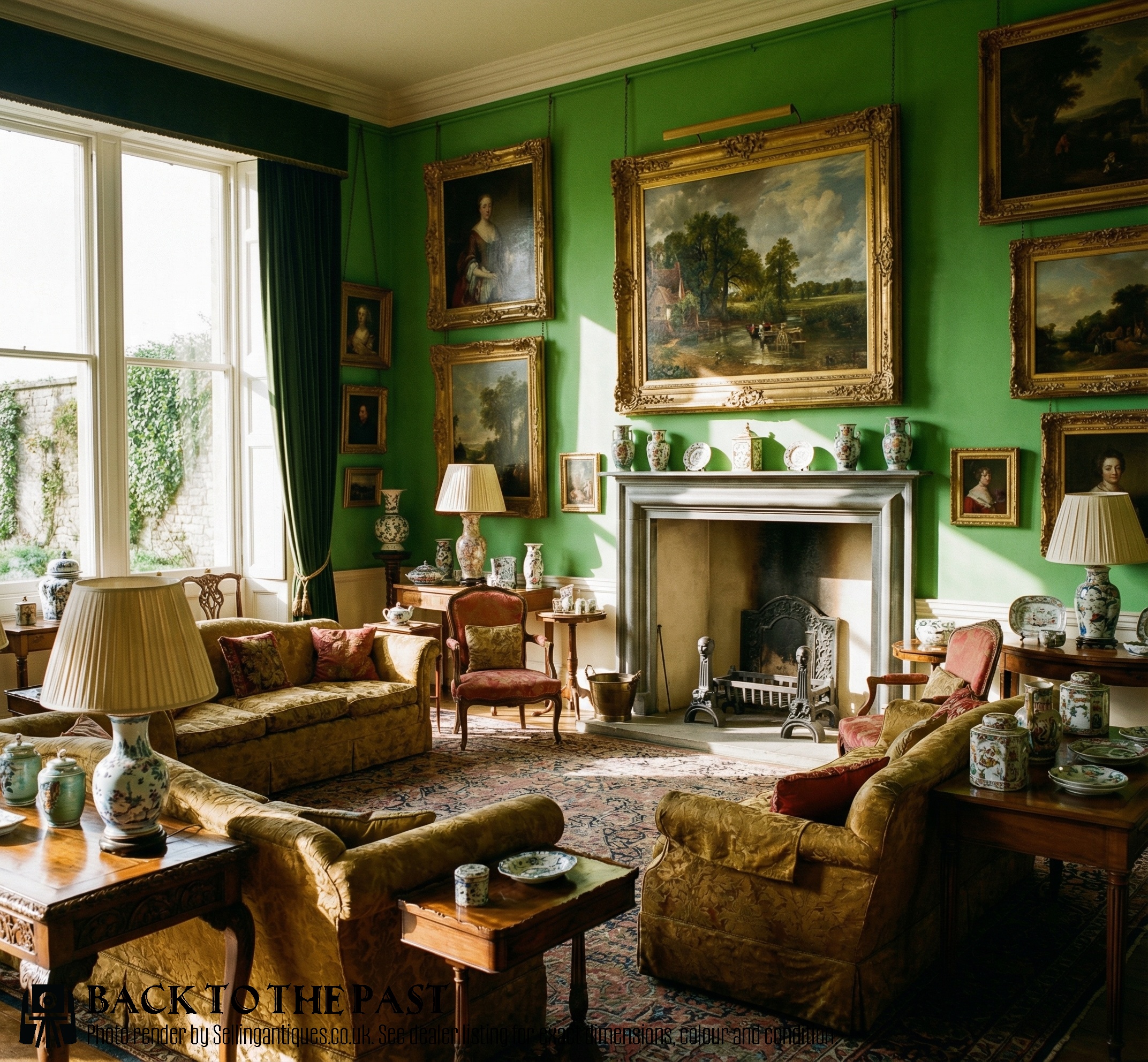
Black Cast Iron Grate
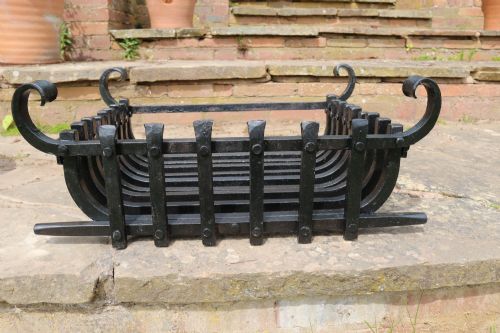
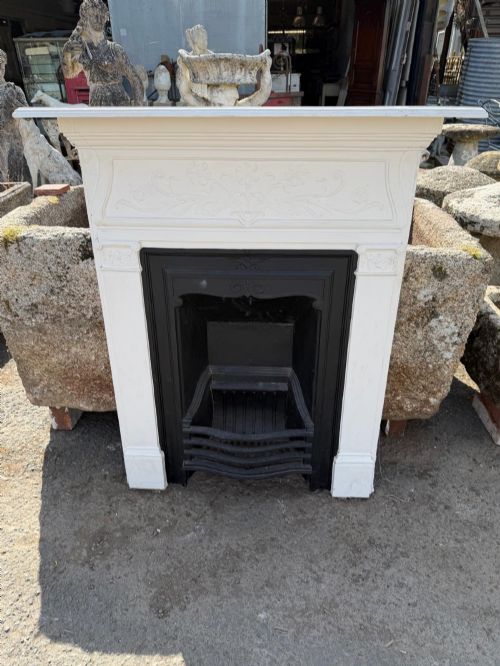
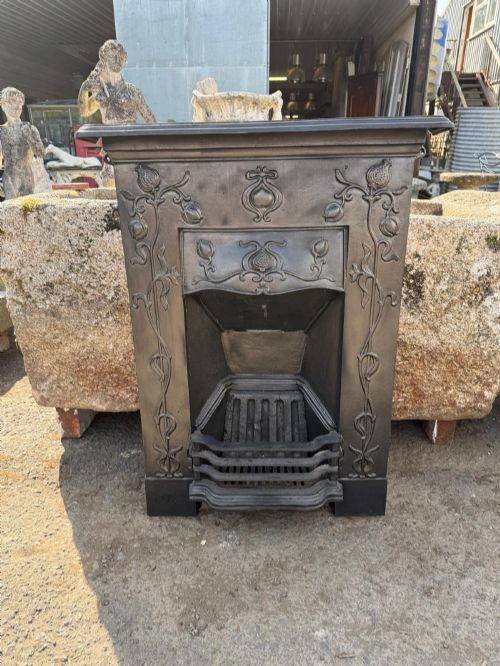
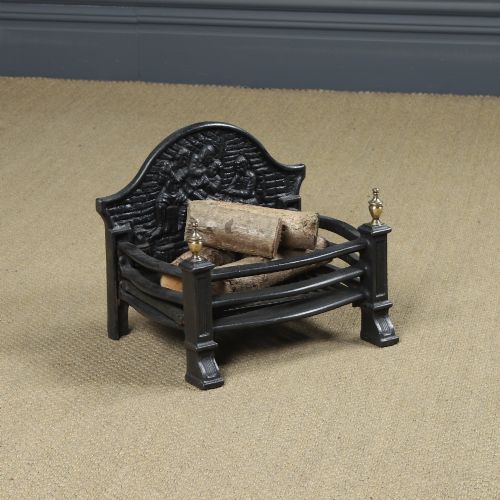
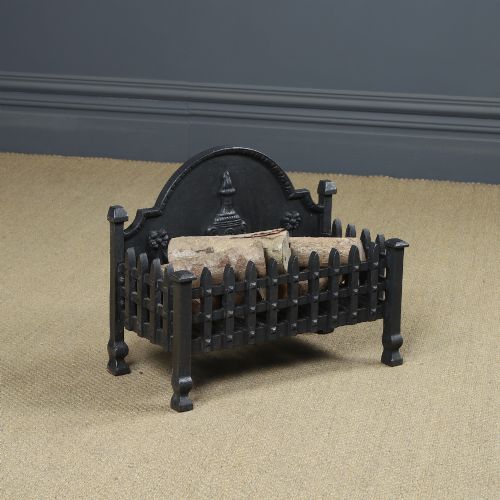
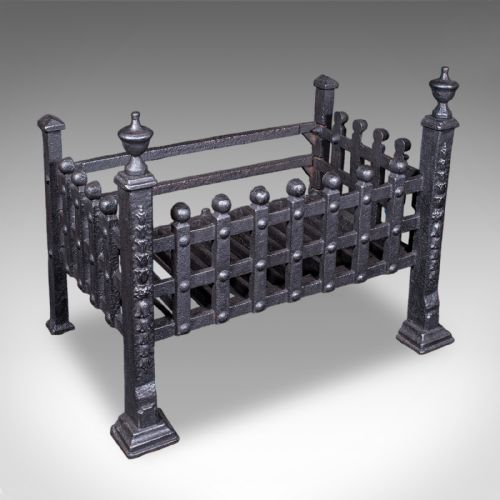
A black cast iron grate serves as the central metal framework within a fireplace hearth, designed to hold burning fuel safely above the hearth floor. When searching for a black cast iron grate, a buyer encounters various formats including fire baskets, register grates, and combination fireplaces that incorporate firebacks, andirons, or fenders.
The pieces appearing on this page span several centuries, with Victorian and nineteenth-century examples sitting alongside Georgian, Regency, and later interpretations from the nineteen-twenties and nineteen-thirties. Forms range from small portable log baskets to heavy inglenook assemblies and large freestanding grates designed for substantial hearth openings.
How they were made
Foundries utilised cast iron for structural bodies and firebacks, pouring molten metal into sand moulds to achieve crisp surface ornamentation, pierced designs, and heavy load-bearing forms. Wrought iron was frequently incorporated alongside cast elements for fire baskets and structural bars, offering tensile strength where heat stress is greatest.
Additional materials such as brass, firebrick, and timber appear on select pieces as decorative highlights or functional linings. Smiths and foundry workers combined these elements through riveting, bolting, and forging to build durable hearth furniture capable of withstanding intense domestic fires.
Black Cast Iron Grate Retail Price Guide 2026
Typical asking prices for black cast iron grate among the pieces listed under this phrase on Sellingantiques today, from the lower quarter to the upper quarter. They describe what is for sale here now, not the wider market.
Some heavy fire backs double as silent domestic guardians, cast with centuries-old symbols meant to ward off chimney draughts and wandering spirits.
What varies in quality
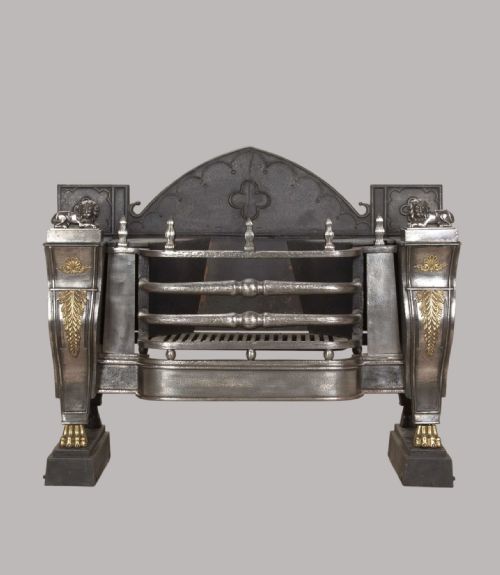
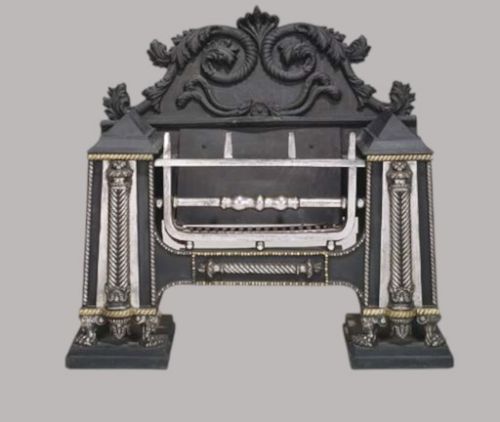
The distinction between standard utility grates and superior examples lies in the crispness of the casting and the ambition of the design, such as classical classical motifs or Gothic Revival detailing. Heavier gauges of iron and the integration of complementary brass fittings or detailed firebacks elevate a piece from a simple utilitarian hearth insert to a distinguished decorative focal point.
Stylistic execution across different periods also dictates character, from restrained Georgian proportions to ornate Victorian combination fireplaces and robust Arts and Crafts hand-forged elements. Superior examples demonstrate careful balancing of cast and wrought components, ensuring both sculptural presence and functional integrity.
Coalbrookdale
The Black Cast Iron Grate Glossary
- Hob grate
- A small fireplace featuring raised side platforms used for heating kettles or food beside the central fuel basket. These compact grates were common in Georgian and Regency interiors.
- Register grate
- A framed fireplace insert containing a movable flap or damper plate within the hood to control the chimney draught. This design allowed homeowners to regulate smoke and heat output efficiently.
- Andirons
- Supporting metal fire dogs placed horizontally on the hearth to hold logs above the floor for better airflow. They often accompany fire baskets and open grates in larger hearth settings.
- Fire back
- A heavy iron plate placed against the rear wall of a fireplace to protect the masonry and reflect heat forward into the room. These plates frequently feature raised historical or classical relief designs.
- Combination fireplace
- A complete self-contained mantel and grate assembly cast as a single unit, popular during the Victorian period for standardised room installations.
Black Cast Iron Grate: Frequently Asked Questions
What is a black cast iron grate?
A black cast iron grate is a heavy metal framework built to hold coal, wood, or peat inside a fireplace hearth. These pieces anchor the hearth space while enduring intense daily heat.
They range from simple open log baskets to complex register grates and combination fireplaces designed for period homes.
How do I choose the right size?
Measure the width, depth, and height of your fireplace opening carefully before selecting any fire basket or grate. Leave adequate clearance around the iron frame for safe airflow and masonry expansion.
Consider whether your setup requires freestanding andirons or a fixed insert that bolts directly into the chimney opening.
Can I burn real wood in these?
Most antique grates and fire baskets were designed specifically for burning solid fuels like wood or coal during their original period of use. Ensure the iron has no structural cracks and that any firebrick linings remain intact before lighting a fire.
Heavy cast and wrought iron models handle high temperatures well, but lighter decorative variants may be better suited for display or gas conversion.
How do I clean cast iron?
Remove ash and soot regularly with a soft brush to prevent moisture accumulation and subsequent rust formation on the metal surface. Apply traditional grate polish or black lead sparingly to maintain the dark protective finish.
Avoid using harsh chemical solvents or water-based cleaners that can strip the historic iron surface and promote corrosion.