


Birds Eye Maple Frame
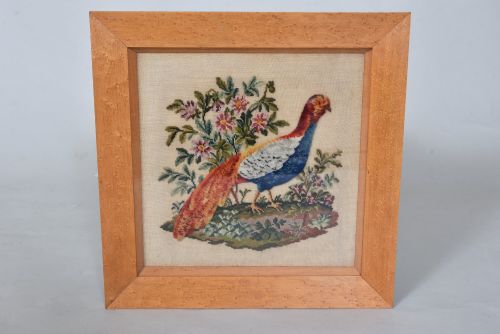
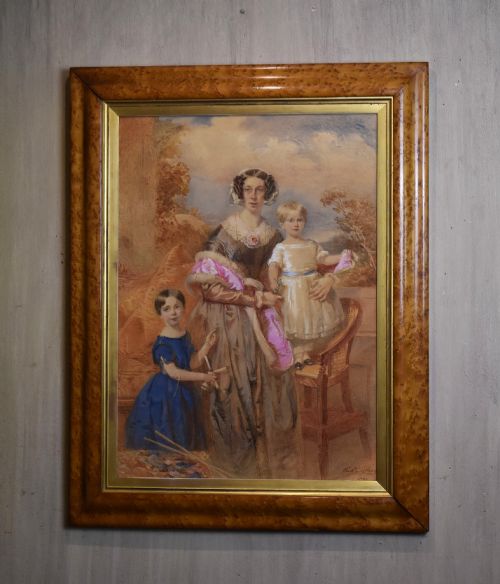
A birds eye maple frame turns the eye directly to the grain, housing mirrors, watercolours and needlework with a distinct figured warmth.
Birds Eye Maple Frame
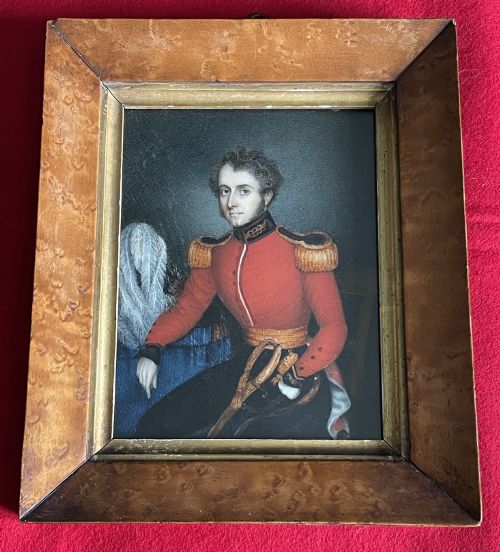
A birds eye maple frame groups together mirrors, watercolours, silhouettes and needlework enclosed in timber marked by tiny, swirling knots. Buyers seeking this phrase encounter small picture frames, larger wall mirrors and substantial overmantel mirrors spanning the Georgian, Regency, Victorian and Art Deco periods.
The objects take several distinct forms on this page, shifting from neat unglazed picture surrounds to overmantel mirrors and bedroom furniture like double beds and bedside cupboards. Pieces emerge from British, French and Biedermeier origins, showing how widely makers utilised the figured timber across different decades.
How they were made
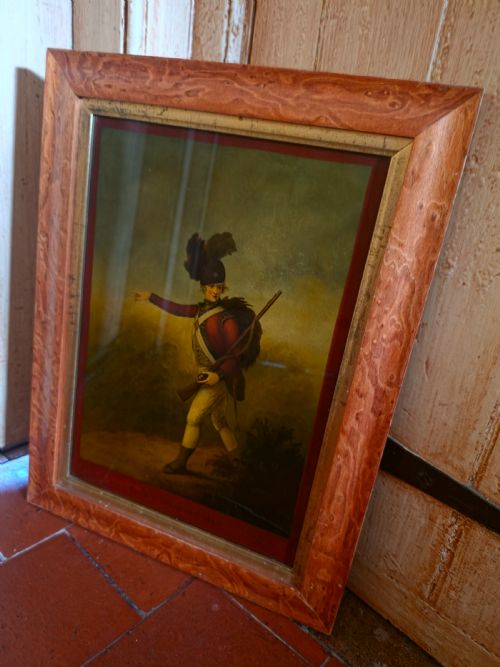
Makers constructed these pieces using solid timber or veneered panels of birds eye maple and standard maple, frequently pairing the pale wood with walnut, gilt, gold leaf and brass accents. Glass and paper insert beneath the rebate, while backing layers protect watercolours, prints, reverse glass pictures and woolie embroideries.
Joinery techniques ranged from simple mitred picture mouldings to heavy architectural overmantel mirror frames and the geometric lines seen in later Art Deco bedroom suites. Parcel gilding and inset brass details sometimes augmented the natural pattern of the timber.
Birds Eye Maple Frame Retail Price Guide 2026
Typical asking prices for birds eye maple frame among the pieces listed under this phrase on Sellingantiques today, from the lower quarter to the upper quarter. They describe what is for sale here now, not the wider market.
Listings feature items spanning the Georgian, Regency, Victorian, and 1930s periods, executed in maple, birds eye maple, walnut, gilt, and gold leaf.
What varies in quality
Quality rests in the density and containment of the figuring across the timber surface, where tighter and more evenly distributed knots command greater visual interest than sparse grain. The crispness of the mitres, the retention of original gilding and the integrity of the underlying wood construction also set pieces apart.
Scale and proportion separate standard domestic frames from grand overmantel mirrors and matching furniture pairs. Original glass, backing boards and untouched surface finishes contribute substantially to the character and standing of any given piece.
The Birds Eye Maple Frame Glossary
- Birds Eye Maple
- A figure in maple wood where the grain swirls around small spots, resembling tiny eyes. This pattern occurs naturally and appears frequently in nineteenth-century and Art Deco decorative pieces.
- Overmantel Mirror
- A large mirror designed to hang above a fireplace mantelpiece. These examples often combine birds eye maple frames with giltwood or parcel gilding.
- Reverse Glass Picture
- An image painted directly onto the reverse side of a glass pane so the front shows the finished composition. These are often preserved within early maple frames.
- Plushwork
- A textile craft using raised, velvet-like yarn to create textured pictures, such as animal portraits. They appear framed behind glass in period surrounds.
- Biedermeier
- A Central European style dating from the early nineteenth century favouring clean lines and blonde woods. Pieces from this movement often showcase unadorned birds eye maple veneers.
- Rebate
- The recessed groove on the inner edge of a frame designed to hold glass, artwork and backing materials. Original rebates indicate where early pictures sat.
Birds Eye Maple Frame: Frequently Asked Questions
How do I clean a birds eye maple frame?
Dust the timber gently with a dry, soft cloth to prevent any buildup of grime in the grain.
Avoid using harsh chemical polishes or excessive moisture, which can damage the old finish or lift the veneer.
Are these frames all from the Victorian period?
While many pieces date to the Victorian era, the selection includes Georgian, Regency, and later Art Deco items.
Makers worked with this figured timber across multiple centuries, producing everything from small silhouette surrounds to 1930s beds.
What is the difference between maple and birds eye maple?
Maple is a sturdy domestic hardwood with a generally pale and straight grain pattern.
Birds eye maple refers to a specific natural mutation where the grain forms small, distinctive swirls resembling tiny eyes.
Can I replace the glass in an old frame?
Original glass often shows slight imperfections, bubbles or waviness that collectors prefer to retain.
If the glass is cracked or missing, a glazier can cut a replacement to fit the depth of the rebate.