


Biedermeier Dresser Chest
A biedermeier dresser chest brings clean architectural lines and striking figured timber into a room, offering practical storage with distinct continental elegance.
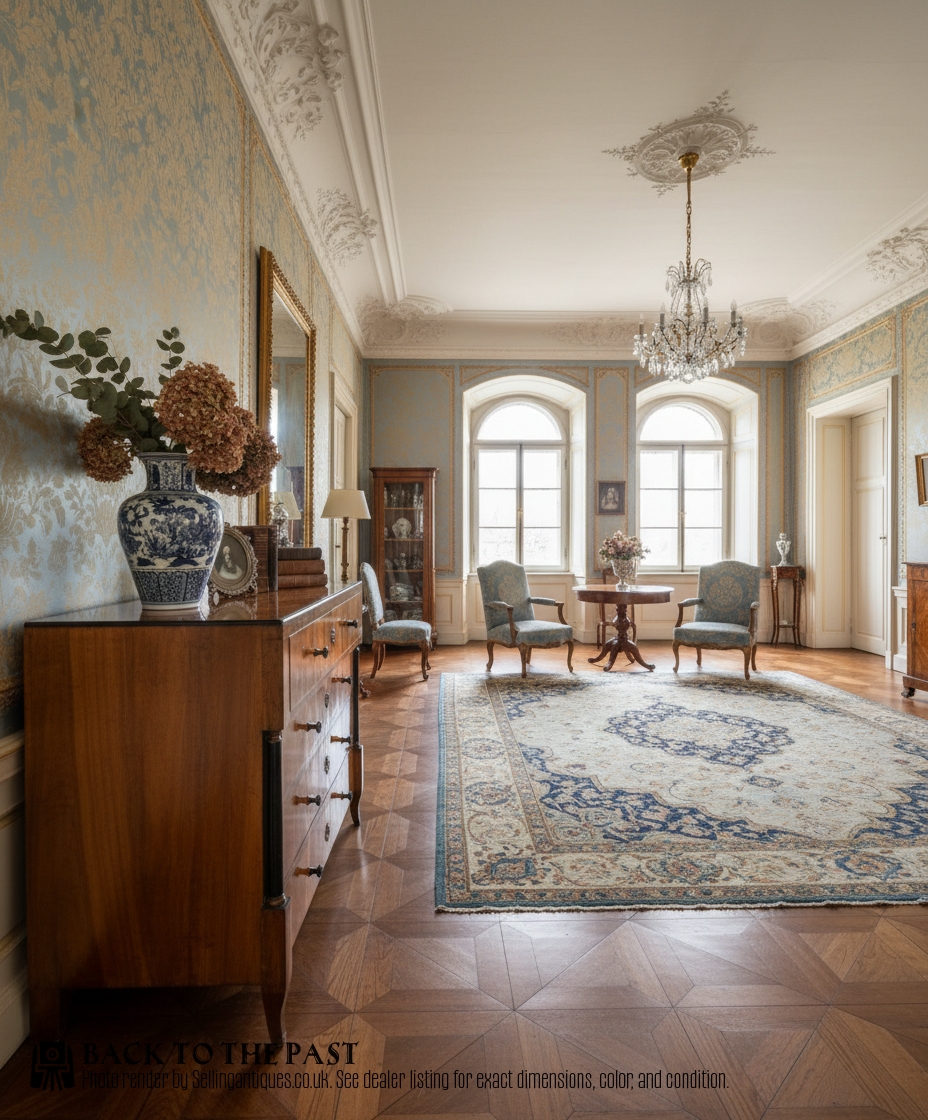
Biedermeier Dresser Chest
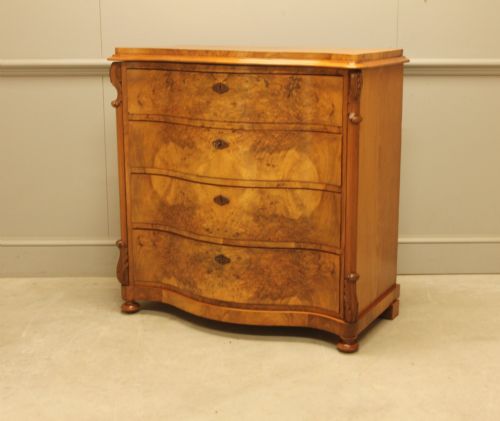
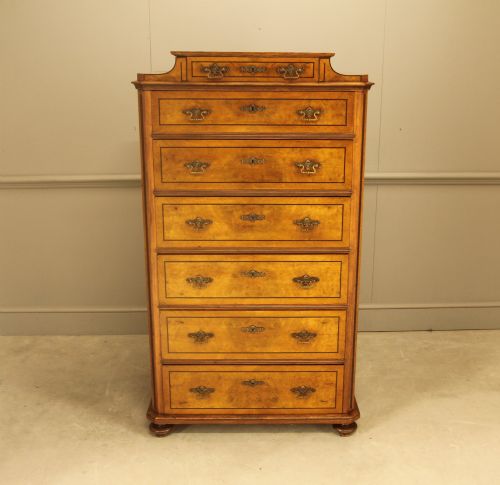
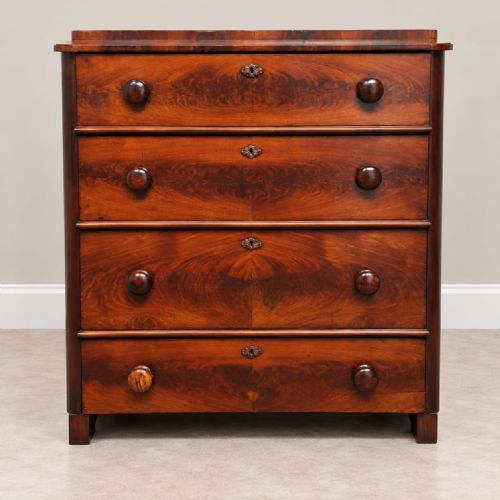
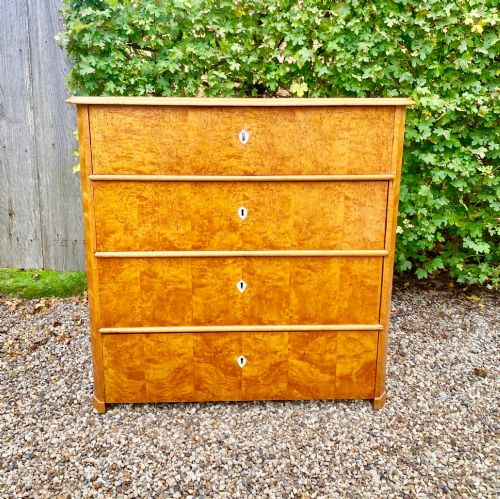
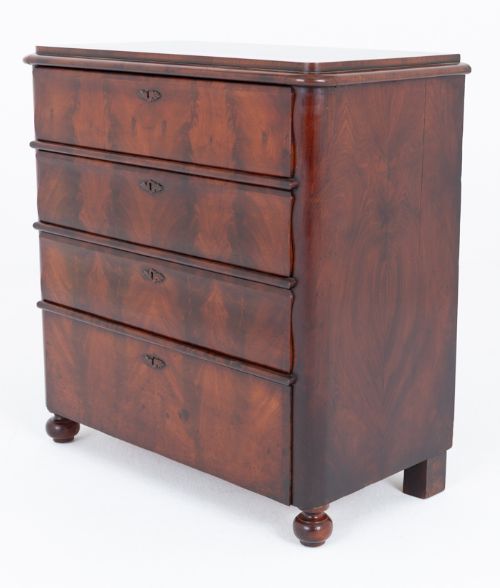
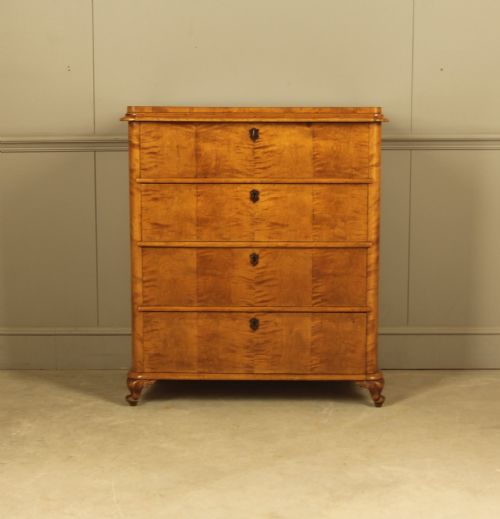
A biedermeier dresser chest is a form of drawer storage primarily rooted in nineteenth-century Scandinavian and continental design. These pieces combine substantial utility with restrained ornamentation, relying on the natural grain of the wood for visual impact.
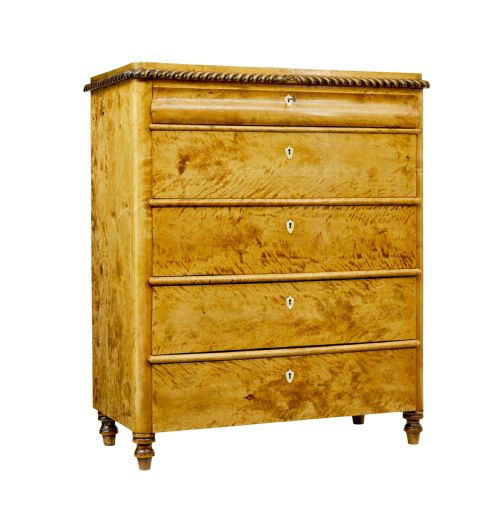
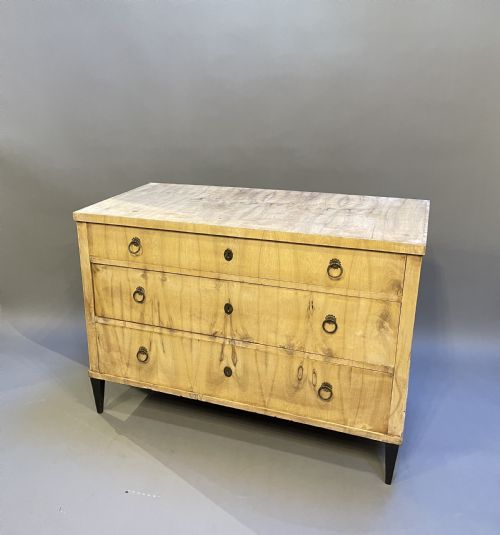
The version most commonly encountered on this page is the nineteenth-century Swedish birch chest of drawers, often featuring straight or serpentine fronts. Alongside these, examples in mahogany, elm, walnut, and simulated birch appear, spanning periods from the early nineteenth century through to Victorian and later revival dates.
Makers and regional workshops utilised distinct timber selections, including flame birch, tiger birch, masur birch, and satin birch. These chests of drawers serve as both functional bedroom furniture and focal points of historical craftsmanship.
Materials and construction
Construction relies heavily on native and imported timbers, with birch varieties dominating the regional Scandinavian output alongside mahogany and walnut for continental iterations. Carpenters applied highly figured veneers such as flame, tiger, and masur birch over sturdy pine carcases to create dramatic grain patterns.
Additional detailing incorporates brass hardware, bone accents, carved elements, and hand-painted simulated finishes. The joinery supports substantial drawer depths while maintaining the smooth, unbroken planes characteristic of the style.
One listed chest achieves its striking blonde appearance through hand-painted simulation rather than actual timber.
Judging quality
Quality in these chests rests upon the selection and bookmatching of the wood veneers, where symmetrical grain alignment elevates the visual rhythm of the piece. The depth and clarity of the finish, alongside the crispness of any carved details or inlay work, distinguish finer examples.
Proportion and the handling of secondary woods like pine also signal standard variations. Superior pieces maintain harmonious scale across the drawer heights and structural integrity in the underlying carcase without relying on excessive applied ornament.
Gemla Fabrikers
The Biedermeier Dresser Chest Glossary
- Flame birch
- A distinctive timber cut that produces wave-like patterns resembling flickering flames across the surface of the wood. It is highly prized in Scandinavian furniture for its decorative movement.
- Masur birch
- A natural growth variation in birch timber that creates a dense pattern of dark swirls and small knots. This material gives drawer fronts a textured, mottled appearance.
- Commode
- A term frequently applied to continental drawer chests and low cabinets of the period. These pieces often feature marble tops or serpentine drawer configurations.
- Caddy top
- A raised or stepped edge profile shaping the uppermost surface of a chest. This detail adds architectural definition to the top board.
- Serpentine
- A furniture front curved in a continuous wave, swelling outward in the centre and receding at the sides. This contour requires precise carpentry to execute across multiple drawer fronts.
Biedermeier Dresser Chest: Frequently Asked Questions
What defines a biedermeier dresser chest?
A biedermeier dresser chest is characterised by understated neoclassical forms, geometric clarity, and an emphasis on polished wood veneers rather than heavy carving.
Most examples date from the nineteenth century and originate from Sweden, Germany, or Austria, utilising timbers like birch and mahogany.
How do I care for a birch chest?
Keep the wood away from direct heat sources and strong sunlight to prevent the timber veneers from drying out or fading over time.
Dust gently with a dry or slightly damp cloth and avoid harsh chemical polishes that can damage the historical finish.
What is tiger birch?
Tiger birch is a descriptive term for wood grain featuring transverse stripes that resemble the pattern of a tiger's pelt. Cabinetmakers selected these boards for maximum visual contrast on drawer fronts.
It appears frequently on nineteenth-century Scandinavian chests.
Are these chests suitable for modern bedrooms?
Their clean lines and warm blonde or dark wood tones allow them to blend easily into contemporary interior schemes. The deep drawers provide functional storage space for modern clothing and linens.
Their restrained decoration ensures they do not overpower smaller rooms.