



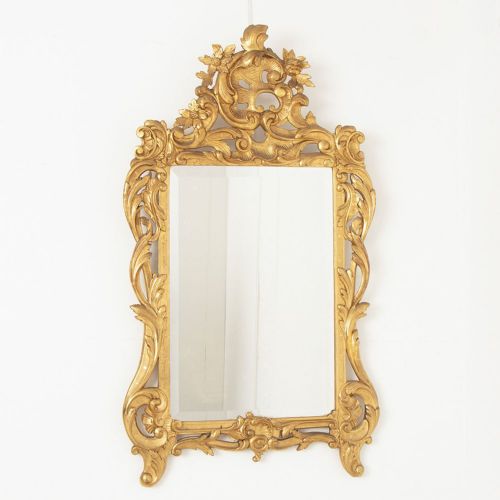
Bevelled Glass Pier Mirror
A bevelled glass pier mirror brings light and grand proportion to a narrow wall, grounded in centuries of fine joinery and gilding.
Bevelled Glass Pier Mirror
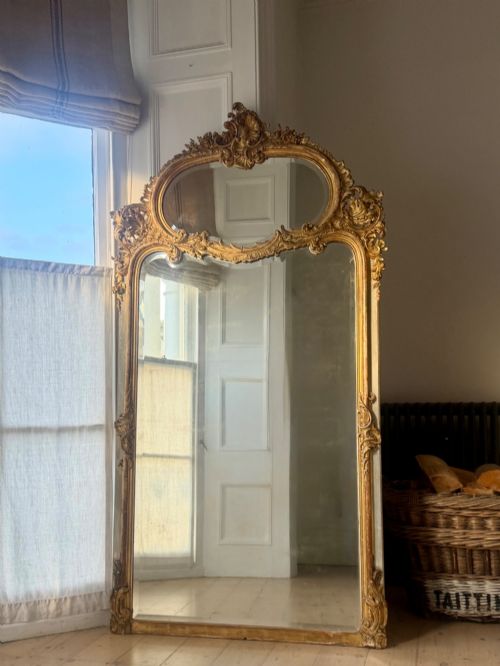
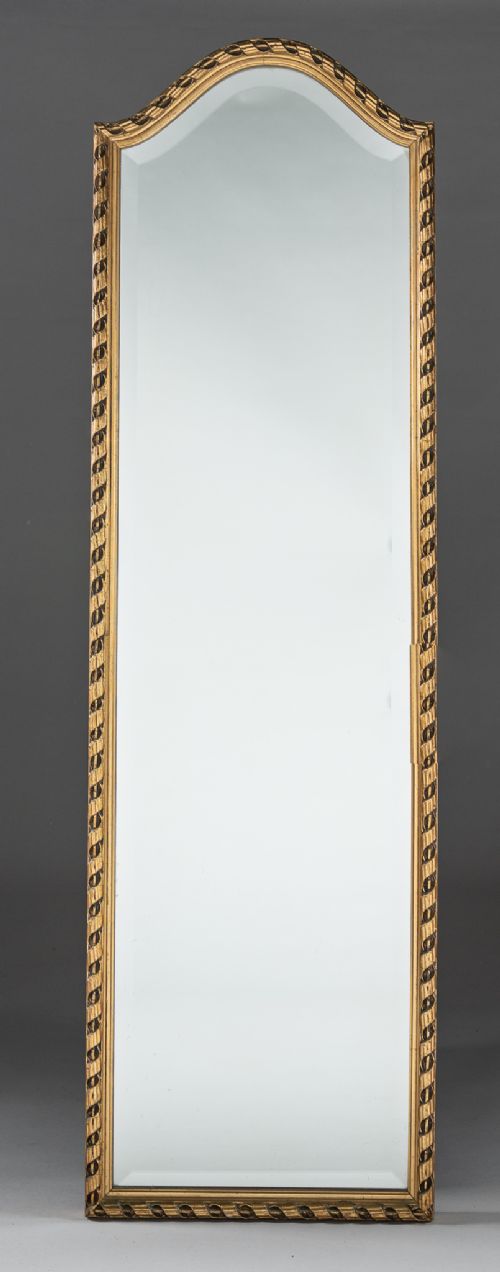
A bevelled glass pier mirror is a tall, narrow looking glass traditionally hung on the wall space between windows, known as the pier. The examples seen here span from the eighteenth century through the Victorian era up to the early twentieth century, taking forms such as wall mirrors, hall mirrors, and dedicated pier mirrors.
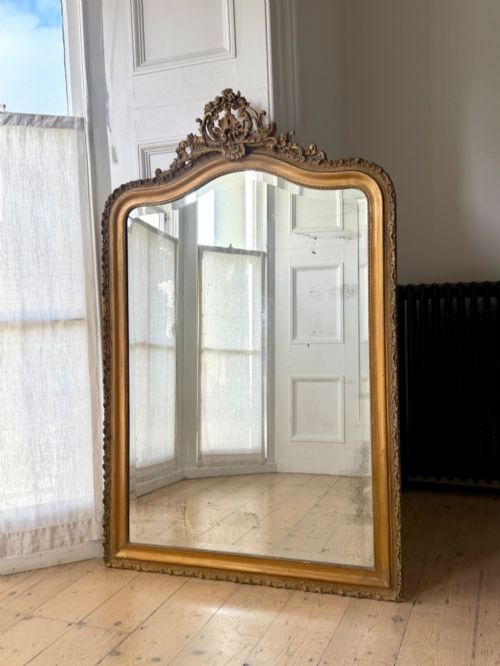
The versions most commonly met on this page are nineteenth-century giltwood and gesso pieces, alongside earlier Georgian designs and revival styles. Makers of the past drew on Rococo, Louis XVI, and Aesthetic Movement influences to shape these tall vertical glasses for reception rooms and hallways.
Originating as architectural fixtures to brighten dark spaces between structural openings, these mirrors combine practical reflection with ornamental presence. Their slender proportions set them apart from standard horizontal mantel mirrors.
How they were made
Frames rely principally on timber such as wood, rosewood, and ebonised wood, built up with layers of gesso to take intricate carved detail. Craftsmen then applied fine leaf gilt or original paint directly onto the prepared surface.
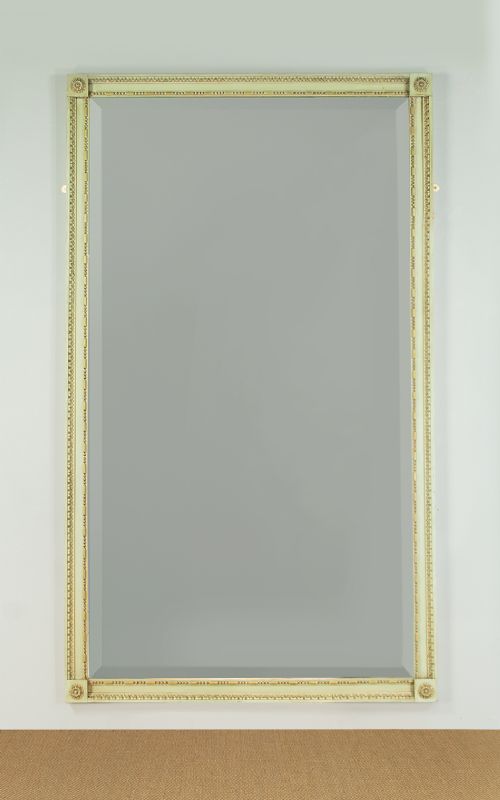
Glass plates feature characteristic hand-cut bevelling at the margins, fitted into upright frames designed to support significant weight. The combination of carved wood, gesso relief, and heavy glass defines the physical construction of these pieces.
Bevelled Glass Pier Mirror Retail Price Guide 2026
Typical asking prices for bevelled glass pier mirror among the pieces listed under this phrase on Sellingantiques today, from the lower quarter to the upper quarter. They describe what is for sale here now, not the wider market.
Listings span from the early eighteenth century through the Georgian and Victorian eras up to nineteen-twenty, utilising giltwood, gesso, rosewood, and ebonised wood.
What varies in quality
Quality rests upon the depth and crispness of the hand-carved detail within the gesso and wood frame, where fluid ornamentation distinguishes finer workshops from simpler production. The handling of the original gilding and the preservation of untouched surfaces dictate the visual authority of the piece.
The integrity of the glass plate itself, including the character of the original bevelling and the honesty of the surrounding structure, separates standard examples from exceptional survivals of the period.
John Belchier
The Bevelled Glass Pier Mirror Glossary
- Pier glass
- A tall mirror designed specifically for the wall space between two windows. It reflects additional daylight back into the room.
- Gesso
- A plaster-like mixture applied to wood frames and carved or moulded into ornate decorative reliefs. It provides a smooth base for subsequent gilding.
- Giltwood
- Timber that has been decorated with a thin layer of gold leaf. This finish gives the frame a warm, reflective metallic lustre.
- Bevelled glass
- A mirror plate whose outer edges are cut and polished at an angle. This technique creates a prismatic border effect.
- Aesthetic Movement
- A late nineteenth-century design style emphasising visual beauty over narrative or moral function. It drew inspiration from various historical and international sources.
Bevelled Glass Pier Mirror: Frequently Asked Questions
Where should I hang a pier mirror?
These mirrors were originally designed for the narrow wall space between two windows to bounce natural light around a reception room.
Today, they work equally well in entrance halls or above console tables where their tall proportions can make the most of vertical space without overwhelming a room.
How do I date an antique pier mirror?
Dating relies on examining the construction of the wooden frame, the composition of the gesso, and the style of the carving. Eighteenth-century pieces often show different joinery methods and proportions compared to Victorian or Edwardian revivals.
The character of the glass plate and the method of bevelling also offer strong clues to the period of manufacture.
Are these mirrors heavy to hang?
Many of these pieces possess substantial weight due to the dense timber frames, thick gesso layers, and heavy glass plates. Proper wall fixings into solid masonry or secure stud work are essential for safe installation.
What is the difference between a pier mirror and a wall mirror?
A pier mirror specifically follows a tall, narrow format dictated by the architectural pier wall between windows. Standard wall mirrors are made in various proportions and horizontal layouts intended for general placement.