



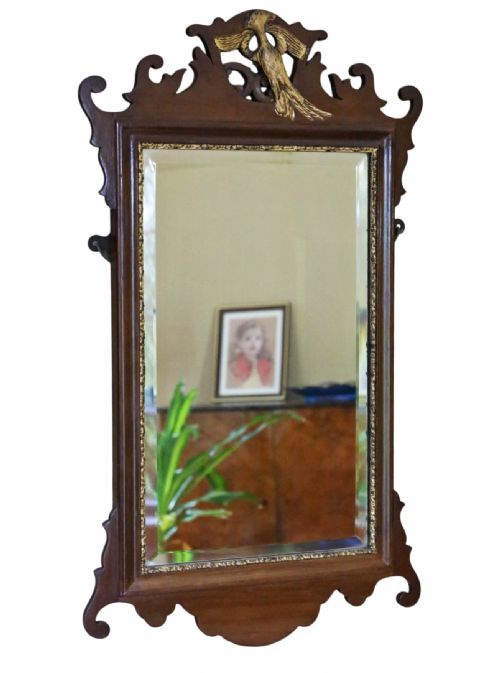


Bevelled Edge Mirror
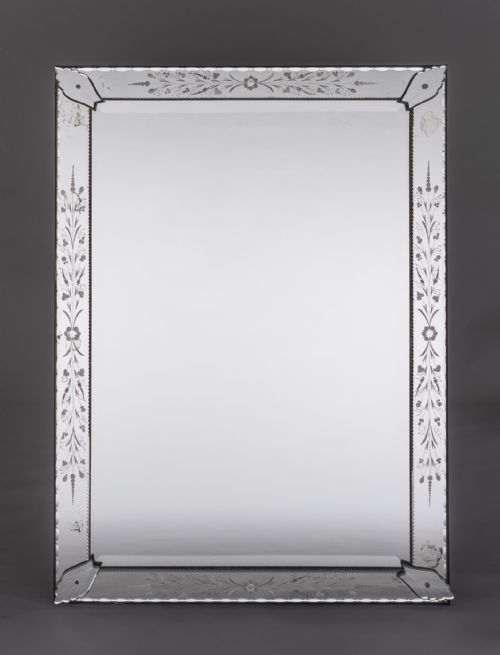
A bevelled edge mirror brings depth and light to a room, offering the classic craftsmanship found in Edwardian and Victorian wall and overmantel pieces.
What these pieces are
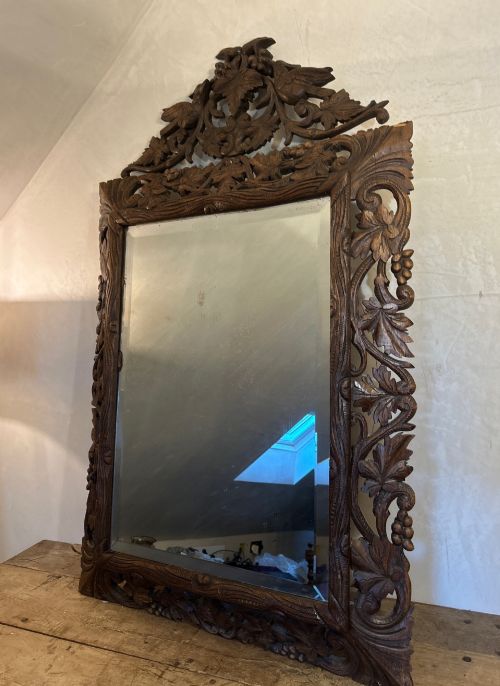
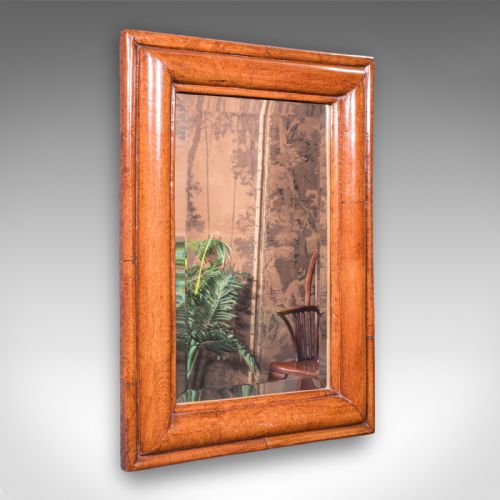
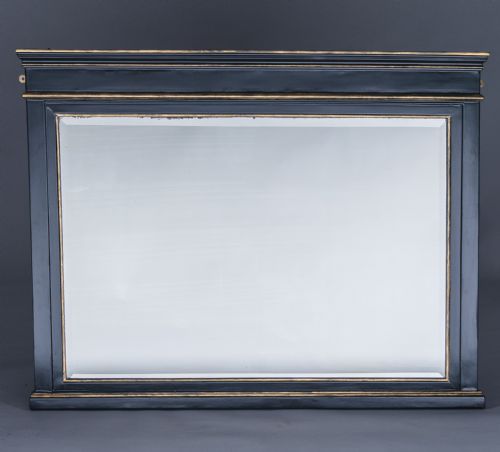
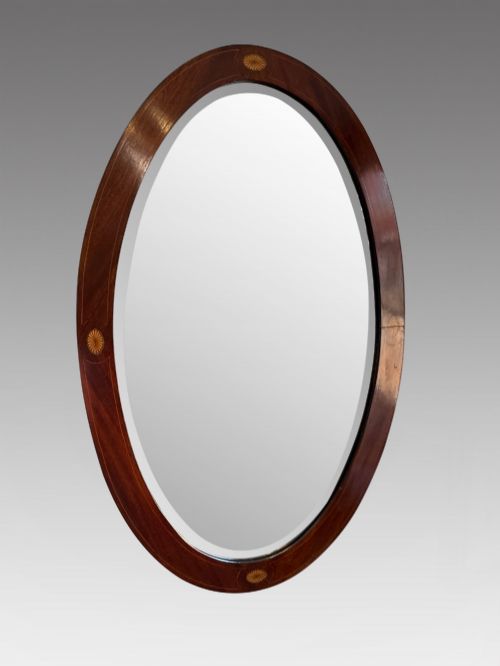
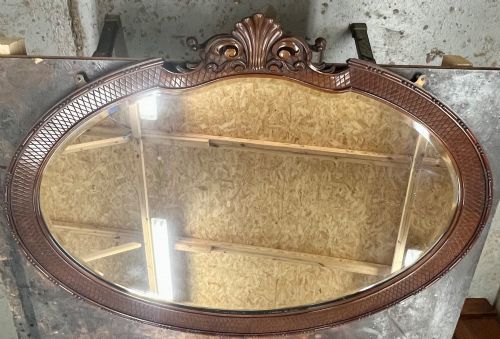
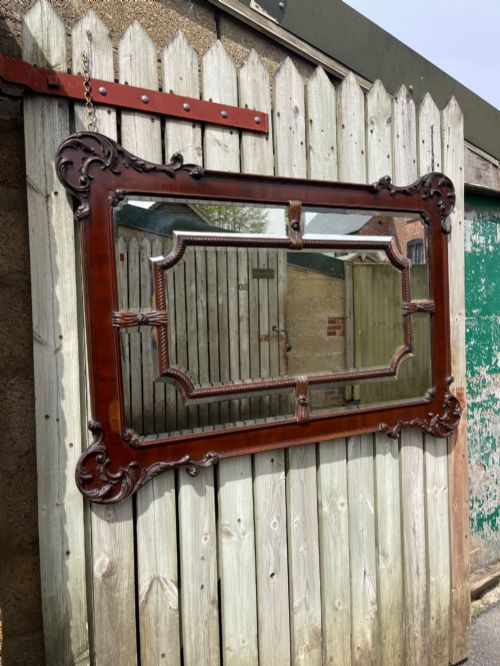
A bevelled edge mirror is a decorative looking glass defined by its angled, ground perimeter that catches and refracts light. You are most likely to encounter wall mirrors and overmantel mirrors spanning several distinct eras, from mid nineteenth century mahogany frames to walnut and oak examples.
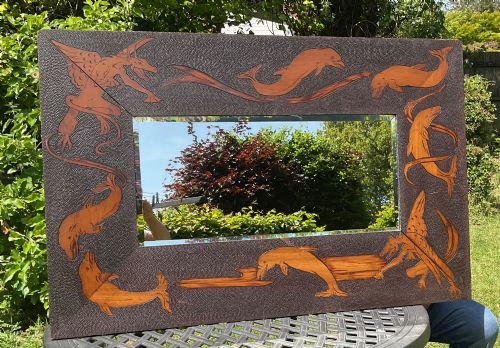
The selection ranges across Victorian, Edwardian, Arts and Crafts, and Hollywood Regency styles, alongside distinct Art Deco designs. Forms include oval, round circular, and rectangular wall fixtures, often accompanied by original wooden backs and hanging chains.
Origins stretch from English reception hall vanity mirrors to gilt and gesso wall pieces featuring oyster veneers. Whether mounted above a fireplace or hung in a hallway, these items combine functional reflection with period character.
How they were made
Frames employ traditional timbers such as walnut, oak, mahogany, and wood veneer, alongside solid wooden frame surrounds and cast brass mounts. Some pieces feature red lacquer, gilt and gesso, or decorative rams heads.
Glass plates are hand-finished with an angled ground edge to create the signature bevel. Backing relies on original wooden constructions paired with secure hanging chains.
Retail Price Guide 2026
Typical UK retail prices for bevelled edge mirror, calculated from the Sellingantiques database of over a million retail prices indexed since 2003. This retail price guide relies exclusively on Sellingantiques data; no external sources or auction records are used, so the figures do not describe the wider market.
Listings feature periods from the nineteenth and twentieth centuries, utilising materials such as glass, walnut, brass, oak, wood veneer, and mahogany.
What varies in quality
Quality rests in the precision of the glass bevelling and the integrity of the framing materials, from solid hardwoods to detailed gilt and gesso work. Superior pieces display harmonious proportions between the reflective plate and the surrounding wood or metal.
The presence of original components, such as wooden backs and hanging chains, elevates a piece. Subtle design details, including specialised tinted glass or carved ornamentation, separate standard examples from finer works.
The Bevelled Edge Mirror Glossary
- Bevel
- An angled edge ground along the perimeter of a glass plate. This technique creates a prismatic border that refracts light and adds visual depth.
- Overmantel
- A large mirror designed to hang specifically above a fireplace mantel. These pieces often anchor the proportions of a principal reception room.
- Gesso
- A plaster-based mixture applied to wooden frames as a smooth surface for gilding. It allows intricate decorative scrolls and moulding to be formed.
- Oyster veneer
- Slices of wood cut transversely from small branches to reveal concentric circular grain patterns. This technique demands high skill to lay across a frame surround.
Frequently Asked Questions
Where should I hang an overmantel mirror?
An overmantel mirror traditionally sits directly above a fireplace mantel to reflect light and anchor the room's main focal point.
Ensure the wall fixings match the weight of the timber frame and glass plate securely.
How do I identify an Edwardian mirror?
Edwardian pieces often feature practical woods like walnut and oak, reflecting a shift towards lighter domestic interiors after the Victorian era.
Look for refined proportions and classic framing techniques typical of the early twentieth century.
What is a bevelled edge?
A bevelled edge is the angled perimeter ground directly into the glass plate during production.
This deliberate slope causes light to refract at the edges, distinguishing period mirrors from flat modern glass.