


Belle Epoque Bronze Sculpture
Belle epoque bronze sculpture brings the elegance of the turn of the twentieth century into a room with striking figures and busts.
Belle Epoque Bronze Sculpture
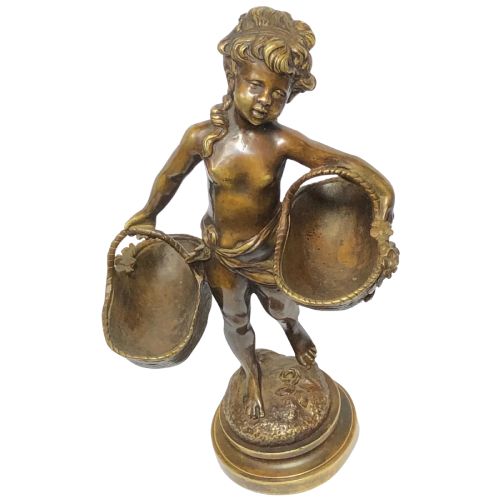
When you search for belle epoque bronze sculpture, you find decorative figures and busts dating from the late nineteenth century into the Edwardian era. These works capture fashionable young ladies and musicians, often modelled with expressive detail.
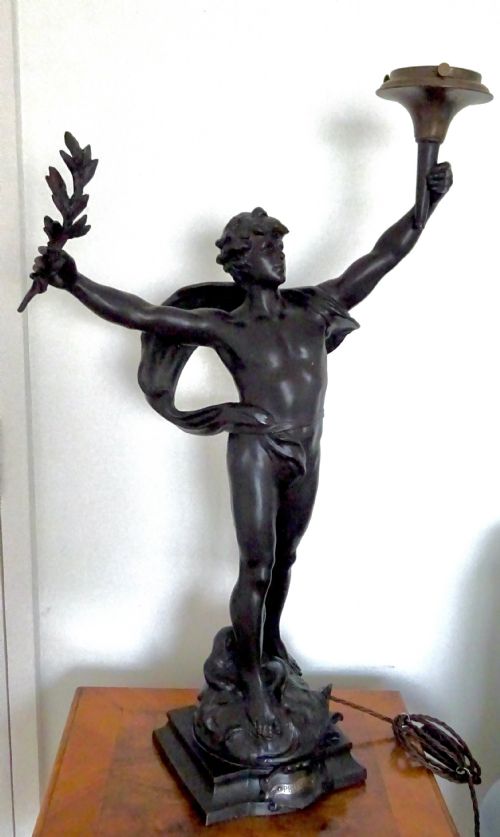
The pieces on this page include French and continental works from periods such as the Victorian and Edwardian eras. You will encounter sculptures and figurative table lamps that combine metal casting with carved bases.
Makers such as Georges Van Der Straeten, Sylvain Kinsburger, Claudius Marioton, G.V. Vaerenbergh, Adrien Gaudez, and Eutrope Bouret appear frequently in these listings. Their works define the sculptural character of the period.
How they were made
These sculptures utilise bronze and patinated bronze, often shaped through traditional foundry casting techniques. Some pieces incorporate spelter or metal as alternative casting materials.
Many works combine metal with carved marble or alabaster for bases and plinths. Ormolu mounts and applied patina complete the surfaces of these figures and lamps.
Listings feature works from the Victorian, Edwardian, and late nineteenth-century periods, utilising bronze, spelter, marble, and alabaster.
What varies in quality
Quality in belle epoque bronze sculpture depends on the crispness of the cast and the nuance of the finishing work. Finer examples display sharp facial expressions and intricate costume details that weaker casts lose.
The choice of base materials also distinguishes the pieces. Sculptures mounted on heavy marble or fitted with ormolu display a more substantial presence than simpler metal variants.
Georges Van Der Straeten·Sylvain Kinsburger·Claudius Marioton·Adrien Gaudez·Eutrope Bouret
The Belle Epoque Bronze Sculpture Glossary
- Bronze
- An alloy of copper and tin used widely for sculptural casting. It takes a fine patination and holds crisp detail.
- Patinated Bronze
- Bronze treated with chemical solutions to produce a coloured surface finish. This technique enhances the depth and shadows of the sculpture.
- Ormolu
- Gilded bronze applied as a decorative mount or accent. It provides a bright contrast against darker patinated metals and marble.
- Spelter
- A zinc alloy utilised as an economical alternative to bronze. It appears in several figural table lamps from the period.
- Alabaster
- A fine-grained stone used for carved sculptural bases and pedestals. Its translucent quality softens the transition between the figure and the surface.
Belle Epoque Bronze Sculpture: Frequently Asked Questions
What periods do these sculptures cover?
The pieces span the late nineteenth century, the Victorian era, and the Edwardian period. Many date from the decades around nineteen hundred.
Foundry work and artistic styles reflect French taste from the belle epoque and Art Nouveau movements.
How were these figures used originally?
These sculptures served as interior decorative objects for parlours, salons, and drawing rooms. Some dual-purpose works functioned as figurative table lamps.
Collectors placed them on mantelpieces, pedestals, and occasional tables to display taste and cultural awareness.
Are lamps different from solid figures?
Lamps integrate electrical or lighting hardware into the sculptural design, often featuring figures holding lamp components. Solid sculptures are self-contained decorative objects.
Both categories utilise the same metal casting and patination techniques typical of the period.
How should I clean bronze sculpture?
Dust the surface gently with a soft, dry cloth to remove accumulated particles. Avoid harsh chemical cleaners that can strip the original patina.
Professional conservation advice is recommended if the metal requires deeper cleaning or wax maintenance.