

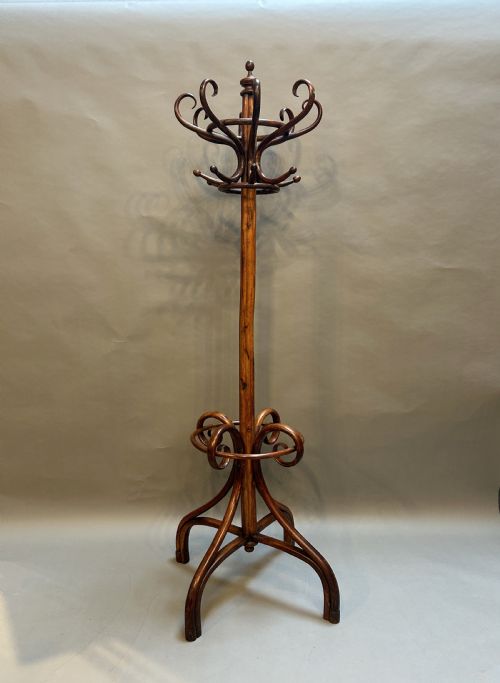


Beech Bentwood Coat Stand
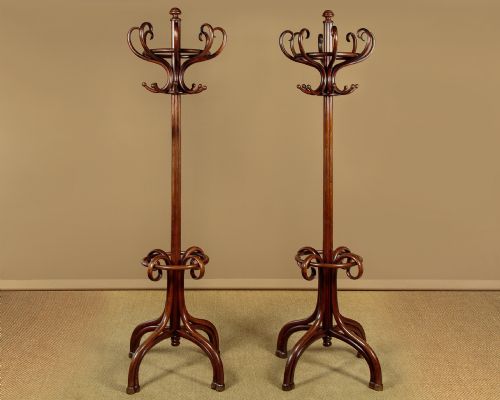
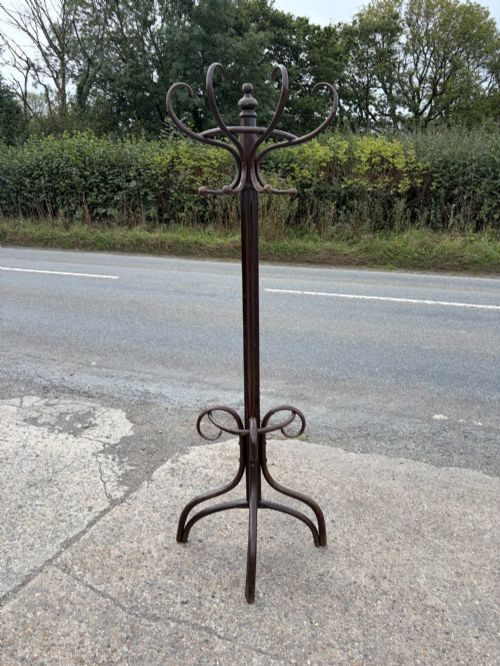
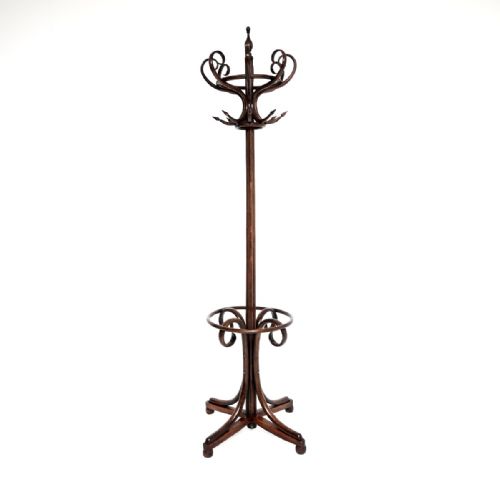
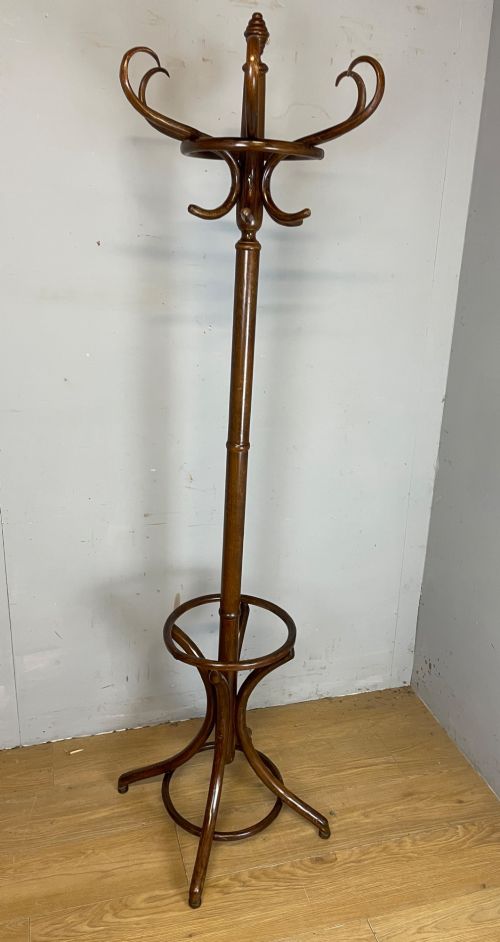
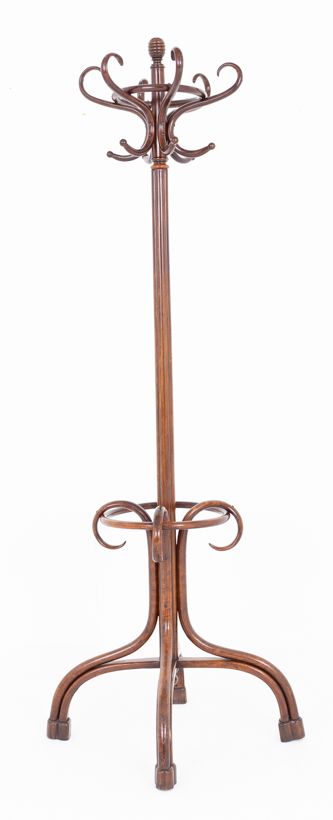
A beech bentwood coat stand is a practical hallway centrepiece formed through steam-bending, offering slender height and lightweight utility.
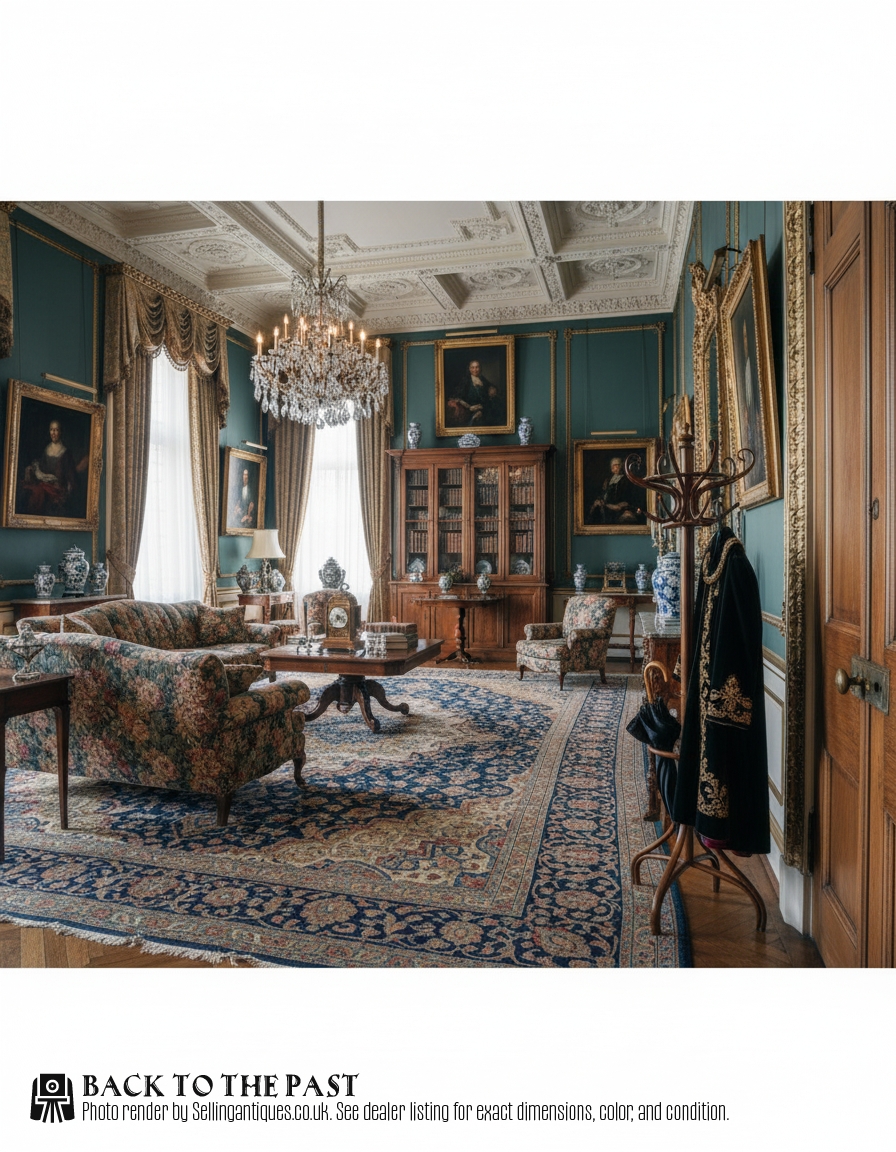
Beech Bentwood Coat Stand
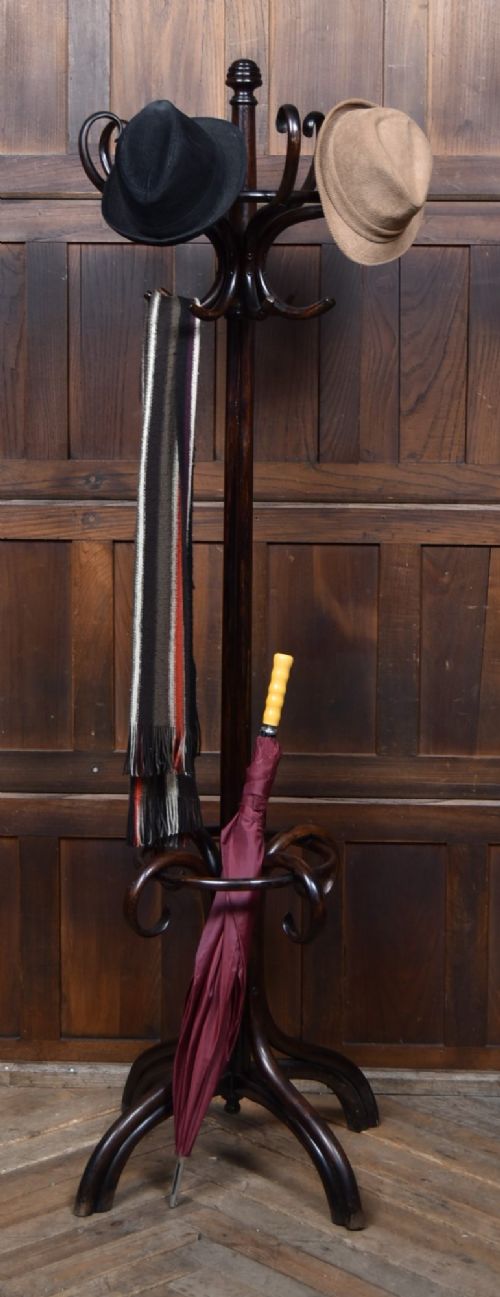
When searching for a beech bentwood coat stand, buyers encounter tall vertical hall furniture designed for hanging garments, hats, and umbrellas in domestic entryways. These pieces emerge primarily from the Victorian, Edwardian, and early twentieth-century periods, spanning the late nineteenth century through the nineteen-thirties.
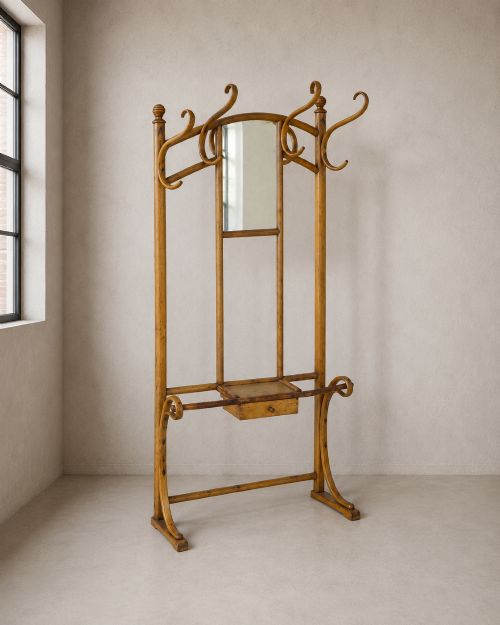
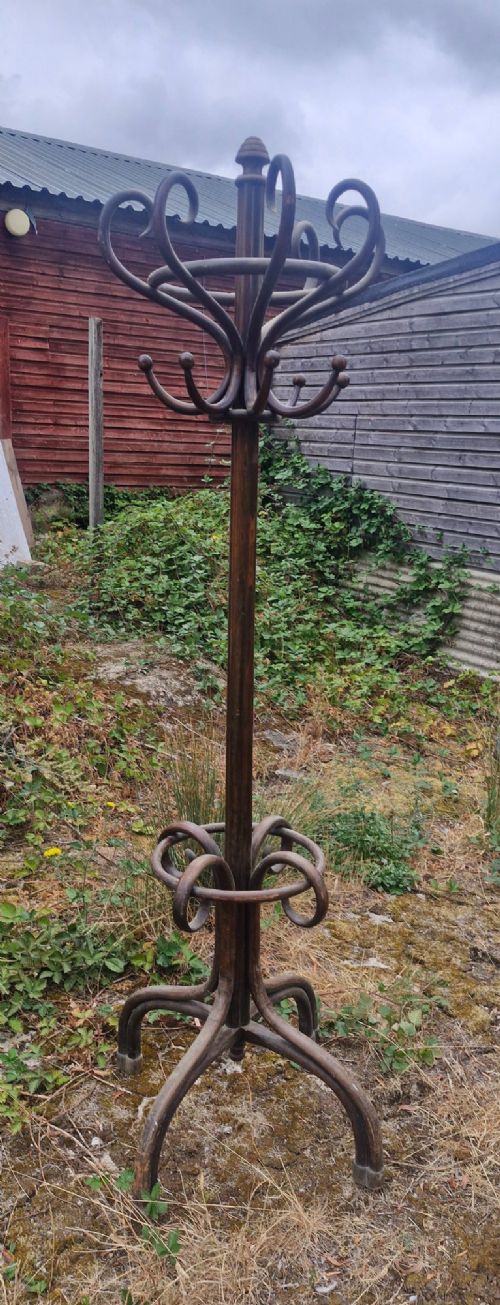
The dominant forms on this page include floor-standing coat trees, hat and stick stands, and hall stands featuring revolving top sections or integrated umbrella rings. Examples appear in various regional origins including English, French, and Austrian workshops, reflecting wide European production during the height of steam-bent furniture manufacturing.
Materials and steam-bending construction
These items are constructed predominantly from beech and beechwood, chosen for its strong grain and cooperative nature when subjected to moisture and heat. Artisans placed solid wood rods into steam chambers to soften the fibres before bending them into smooth curves around metal or wooden forms.
Additional elements incorporate stained wood finishes, glass components, and metal fixtures such as hooks, mirror frames, or umbrella drip trays. Once dried, the bent sections retained their curved shapes, providing rigid structural support without heavy framing.
Beech Bentwood Coat Stand Retail Price Guide 2026
Typical asking prices for beech bentwood coat stand among the pieces listed under this phrase on Sellingantiques today, from the lower quarter to the upper quarter. They describe what is for sale here now, not the wider market.
Listings span from the eighteen-eighties through the nineteen-thirties, documenting Victorian, Edwardian, and early twentieth-century periods in solid beech and stained wood.
Judging build quality and structural integrity
Quality in these items rests upon the robustness of the timber and the complexity of the frame design, distinguishing standard utility models from heavier, more ambitious productions. Pieces described as heavy quality or featuring double top sections demonstrate superior stability and more elaborate curved brackets.
The retention of original rotating mechanisms on revolving top sections and the inclusion of intact umbrella rings or demilune bases influence the desirability of a stand. Uniformity in the honey-coloured or stained finishes and the tightness of the steam-bent joints further separate refined examples from simpler variations.
Thonet
The Beech Bentwood Coat Stand Glossary
- Bentwood
- Wood shaped by applying heat and moisture through steam, allowing solid timber to take permanent curves without breaking. This technique defines the entire structural vocabulary of these stands.
- Hall stand
- A multi-functional hallway furnishing that combines coat hooks, hat racks, and often umbrella storage or a mirror. These pieces serve as comprehensive entryway organisers.
- Revolving top
- A rotating upper tier on a coat stand that permits easy access to hanging garments from any angle. This feature appears frequently on Edwardian and later examples.
- Steam-bent wood
- Timber processed in a steam chest to render it pliable for shaping around wooden moulds. It forms the lightweight yet durable framework characteristic of this style.
- Thonet style
- Furniture produced using the pioneering steam-bending manufacturing methods developed by Michael Thonet and his firm. Many pieces on this page reflect this distinctive aesthetic.
Beech Bentwood Coat Stand: Frequently Asked Questions
How do I date a bentwood coat stand?
Dating relies on stylistic clues, construction methods, and documented periods ranging from the late Victorian era through the nineteen-thirties. Earlier Victorian and Edwardian examples often exhibit more complex decorative brackets and heavier turning.
Later pieces from the nineteen-twenties and thirties tend towards streamlined profiles. Examining any surviving stamps or labels can also help confirm the exact manufacturing decade.
Are these stands stable enough for heavy coats?
Yes, the original steam-bent beech construction provides surprising structural strength and rigidity despite the slender appearance of the frame. Distributing heavy winter coats evenly around the hooks maintains balance.
Stands featuring wider tripod or circular wooden bases offer enhanced stability on flat hallway floors.
How do I care for a beech bentwood stand?
Maintain the wood by dusting with a dry cloth and occasionally applying a mild beeswax to nourish the beech surface. Avoid placing the stand in direct sunlight or near intense heat sources that might dry out the steam-bent timber.
Check the stability of the connecting screws periodically to ensure the frame remains secure during daily use.