

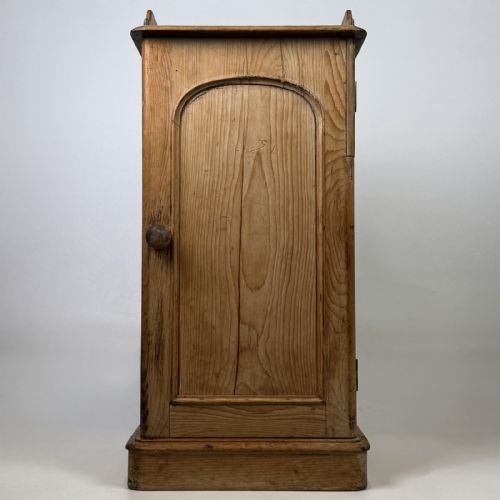
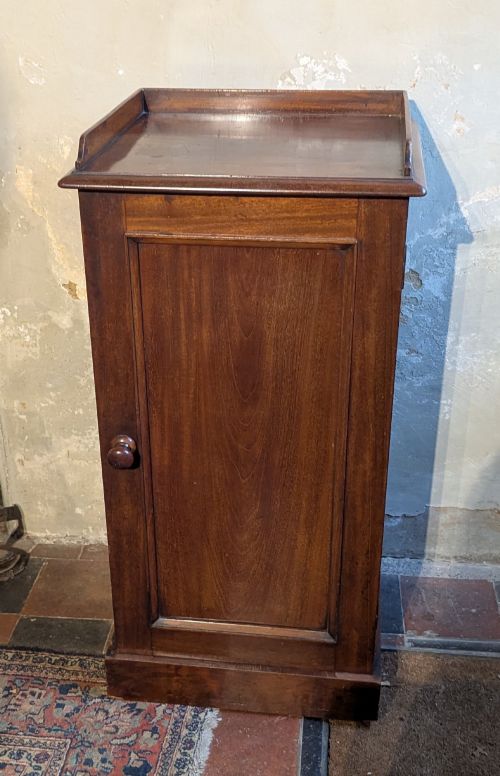
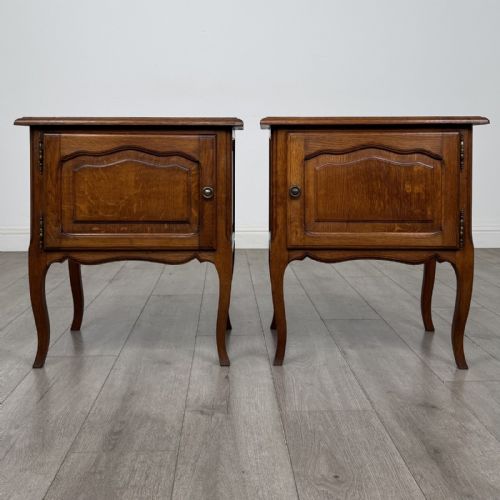
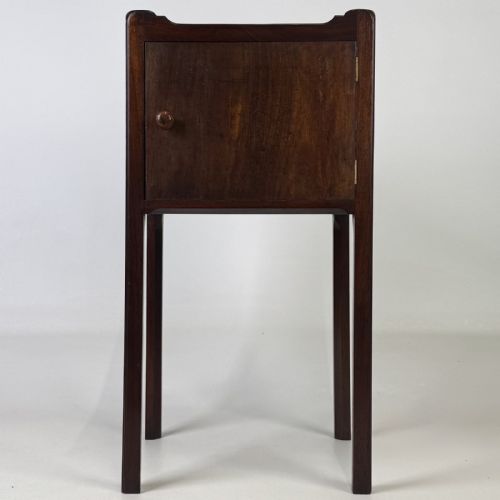
Bedside Cupboard with Door
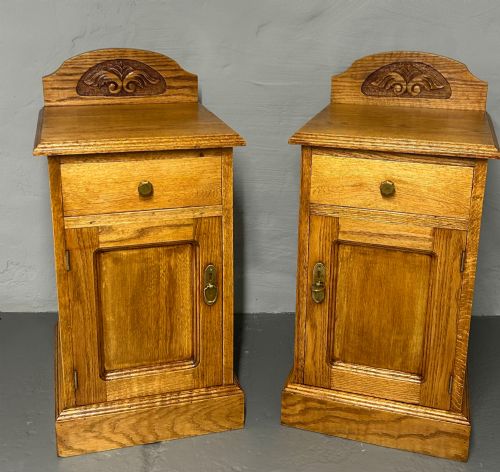
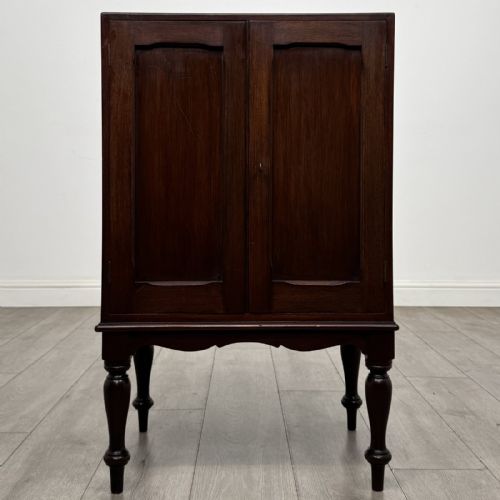
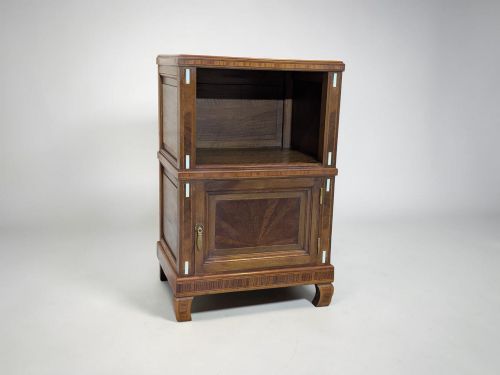
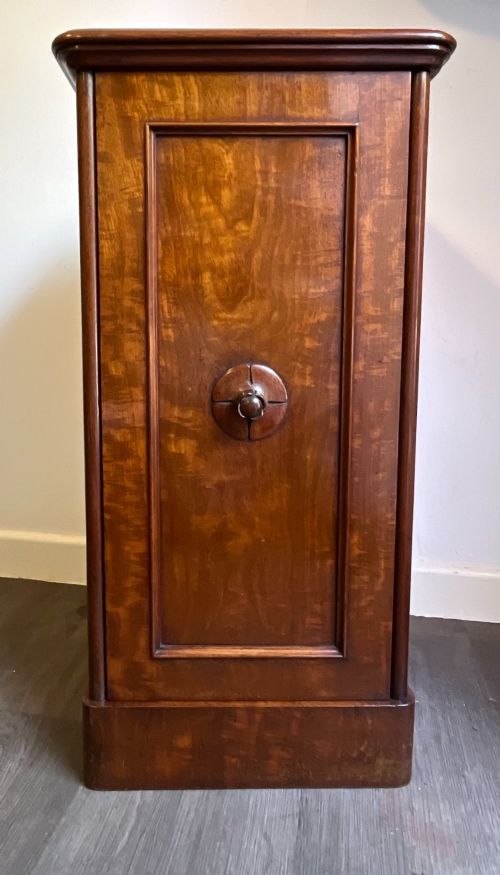
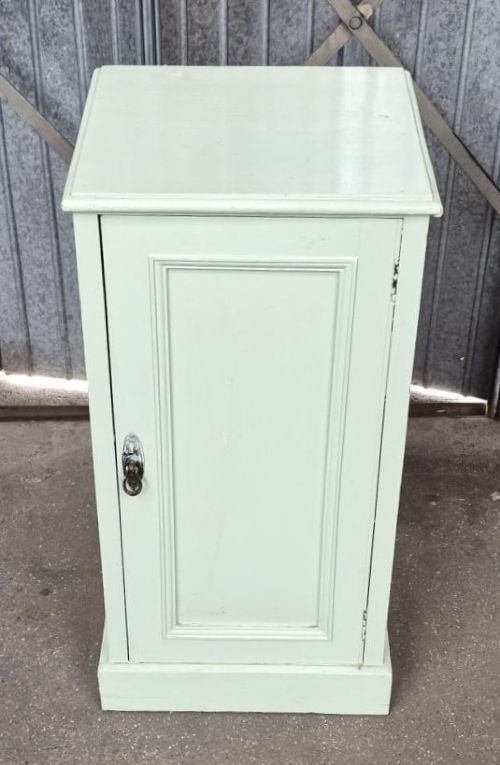
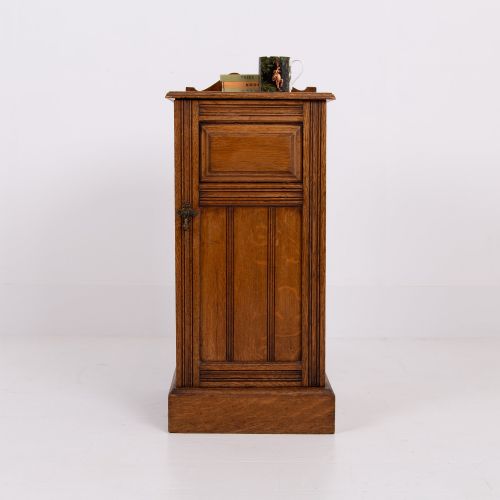
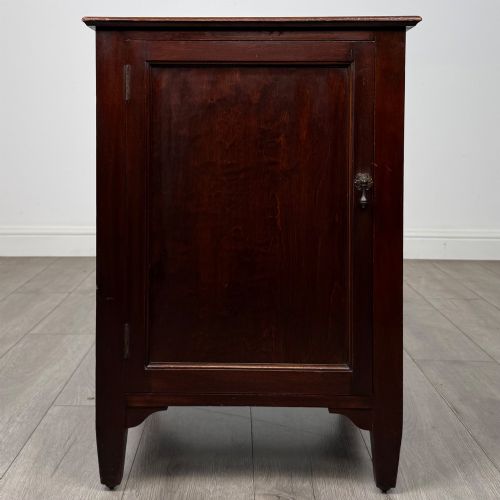
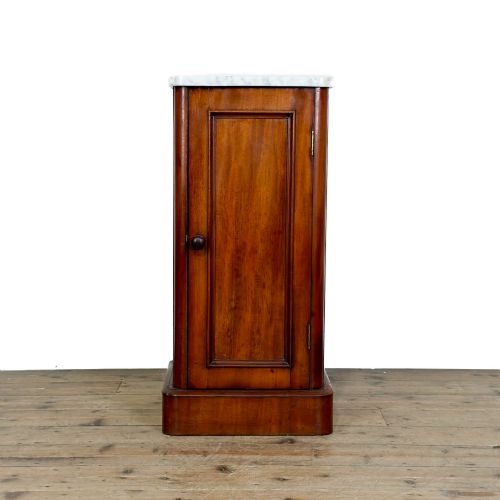
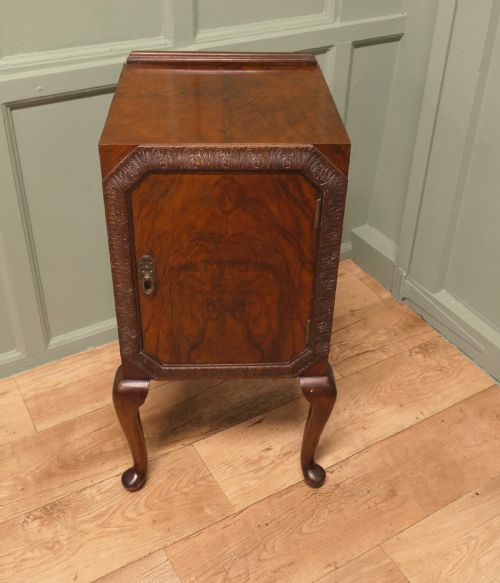
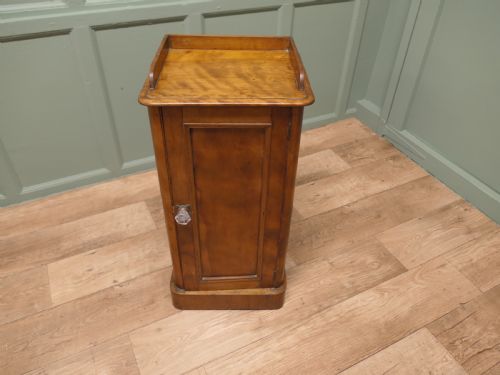
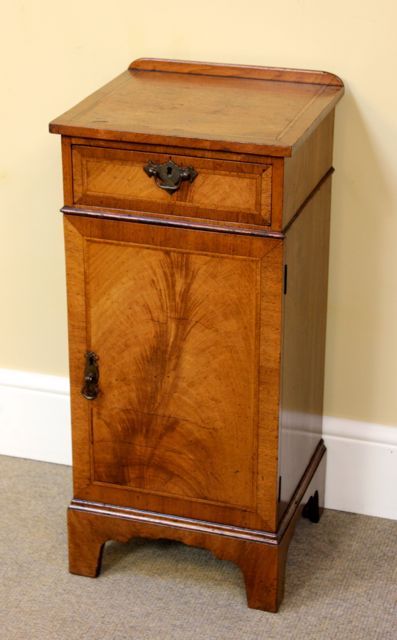
These bedside cupboard with door pieces offer hidden storage beside the bed, combining functional form with period timberwork.
Bedside Cupboard with Door
A bedside cupboard with door provides enclosed bedside storage through a hinged cabinet door, keeping chamber essentials concealed out of sight. The pieces collected under this search phrase span centuries of domestic woodwork, from Georgian examples to Edwardian iterations.
The styles range from restrained George III designs to Sheraton Revival influences, Victorian country pieces, and French provincial forms. Each piece reflects the interior requirements of its era, serving as a practical and decorative bedroom staple.
Materials and construction
Cabinet makers utilised dense hardwoods such as mahogany and walnut, frequently selecting pine for secondary framing and internal construction. Finer pieces display decorative satinwood inlay and contrasting stringing along the door panels and drawer fronts.
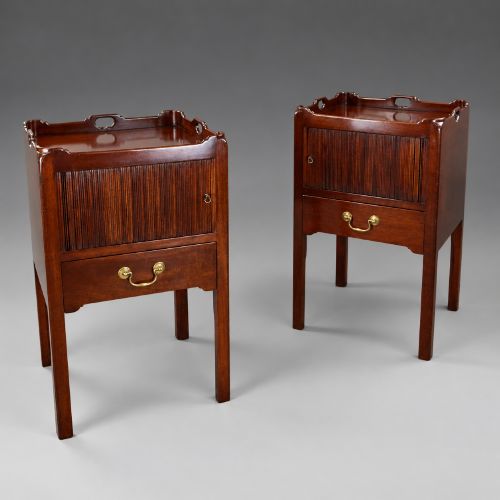
Hardware details typically involve cast brass handles and hinges that complement the rich grain of the timber. Tray tops were constructed with raised edges to contain items, while specialist pieces incorporated tambour mechanisms for smooth sliding enclosures.
Bedside Cupboard with Door Retail Price Guide 2026
Typical asking prices for bedside cupboard with door among the pieces listed under this phrase on Sellingantiques today, from the lower quarter to the upper quarter. They describe what is for sale here now, not the wider market.
Early cabinet makers occasionally built these cupboards with concealed interior shelves specifically proportioned to hold eighteenth-century chamber pots.
Distinguishing quality
Superior examples demonstrate meticulous timber selection, ensuring the wood grain on the cupboard door matches the surrounding carcase harmoniously. The subtlety of inlay work and the crispness of edge moulding separate standard utility pieces from high-status cabinetmaking.
Structural integrity relies on traditional joinery techniques and the original patination of the timber surfaces. Refined proportions and authentic period brassware elevate an item above simpler vernacular alternatives.
Maple and Co
The Bedside Cupboard with Door Glossary
- Tray top
- A tabletop featuring a raised moulding or rim designed to prevent objects from rolling off the surface. This feature appears frequently on Georgian and nineteenth-century bedside cabinets.
- Pot cupboard
- A traditional term for a small bedside cabinet historically used to house a chamber pot. They generally feature a single door enclosing a compartment, sometimes with an upper shelf or drawer.
- Nightstand
- An alternative term for a bedside table or cabinet positioned next to a bed. These pieces evolved to hold lighting, books, and night-time necessities.
- Tambour
- A flexible shutter constructed from narrow strips of wood glued to a canvas backing, allowing a door to slide around a curved track. This technique provides access to enclosed storage in compact spaces.
- Satinwood inlay
- Ornamental decoration created by inserting contrasting light-grained satinwood veneers into recesses cut into a primary dark timber such as mahogany.
Bedside Cupboard with Door: Frequently Asked Questions
How were these cabinets used historically?
Historically, these cabinets served to conceal chamber pots, washbasins, or personal night-time belongings within a bedroom setting.
Over time, their internal use shifted toward general bedside storage while retaining the enclosed door configuration for a tidy appearance.
How do I identify a Georgian bedside cabinet?
Georgian bedside cabinets typically feature mahogany construction, subtle stringing or inlay, and refined proportions associated with eighteenth-century design.
Details such as tray tops and traditional brass hardware further point toward this earlier period of English cabinetmaking.
What is a tambour nightstand?
A tambour nightstand incorporates a slatted wooden door that slides along a track to open and close the cabinet storage.
This technique allowed makers to create curved furniture facades without requiring clearance space for a standard swinging door.