


Baroque Religious Figure
A baroque religious figure brings devotional weight into a room, formed through centuries of carved wood and layered paint.
Baroque Religious Figure
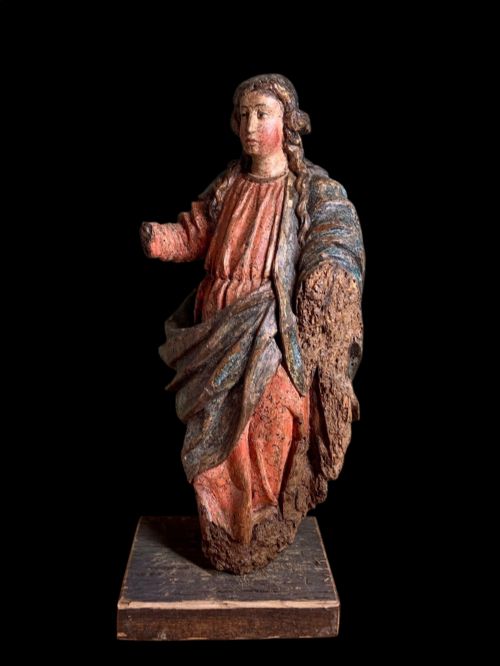
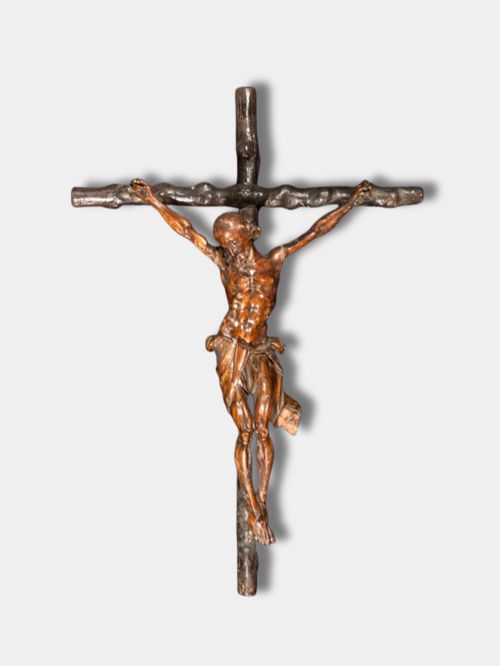
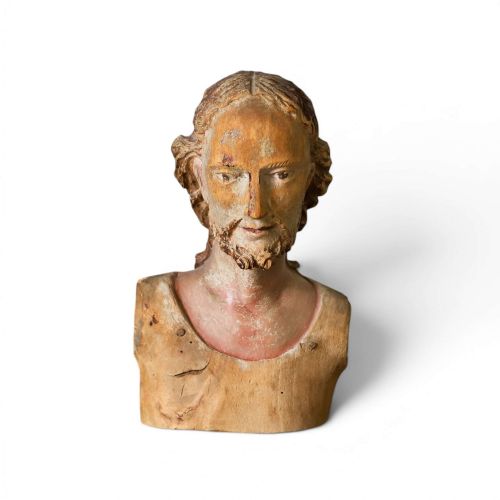
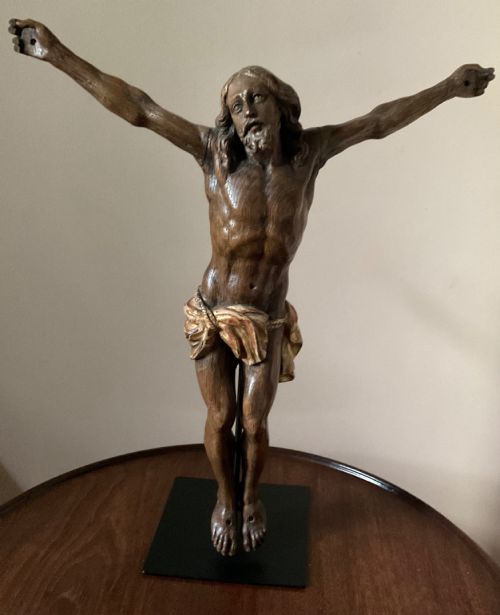
A baroque religious figure encompasses devotional carvings and canvases originating from seventeenth and eighteenth-century European workshops. These works include life-size saints, small corpus Christi figures, and painted depictions of biblical scenes.
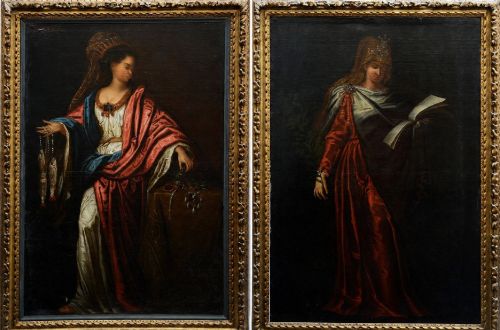
The selections span Spanish, Italian, French, and German schools, reflecting regional stylistic shifts in religious art. Buyers encounter carved oak, lime wood, and oil paintings framed in gilded wood.
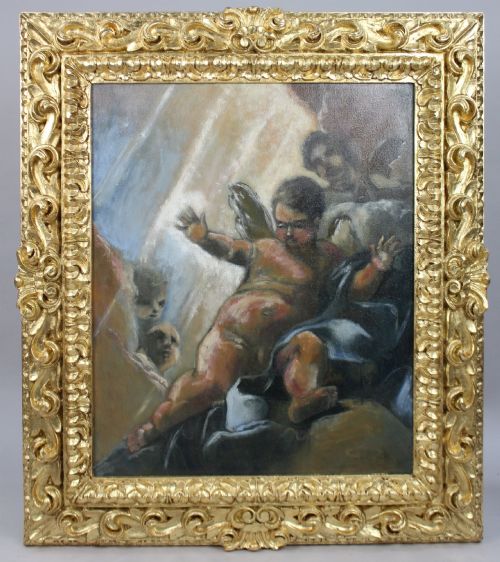
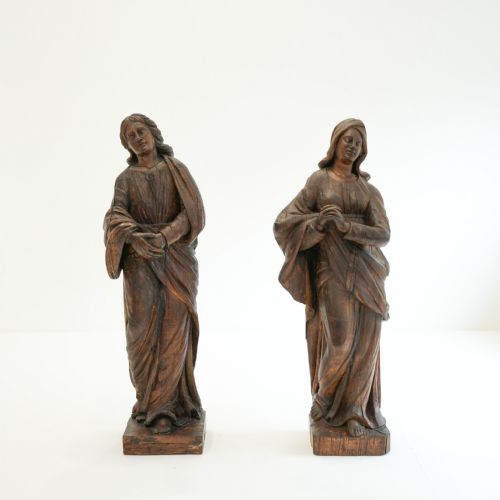
Figures of saints, cherubs, and angels dominate the selection, often carved to adorn altars or domestic spaces. Each piece carries the marks of historic ecclesiastical devotion.
How they were made
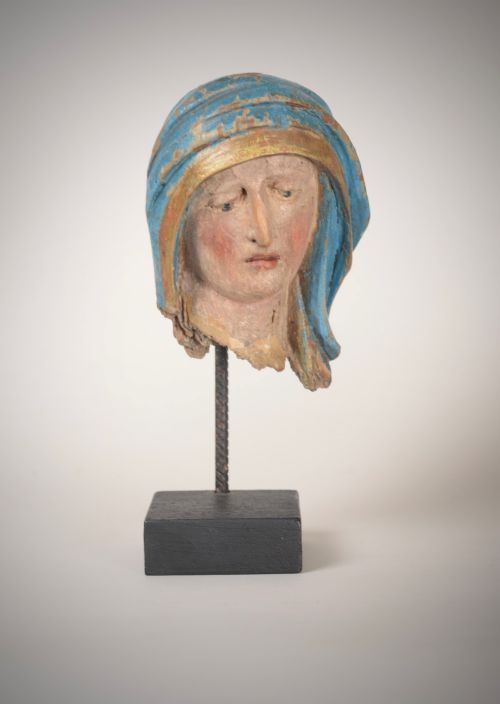
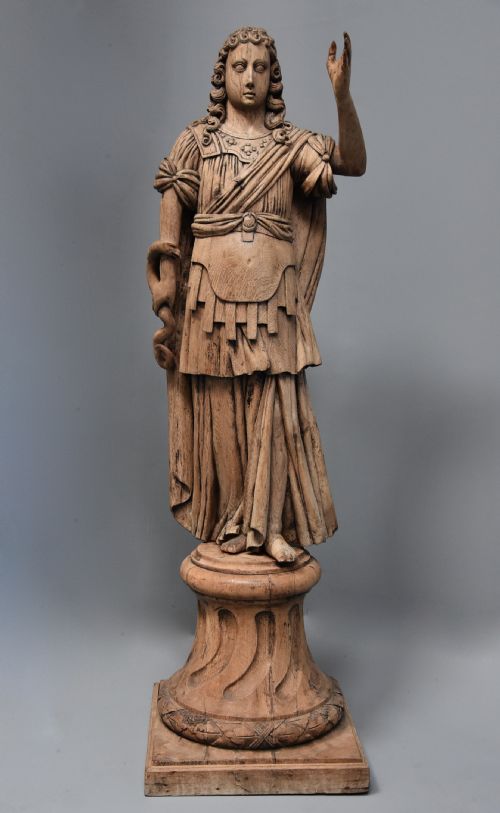
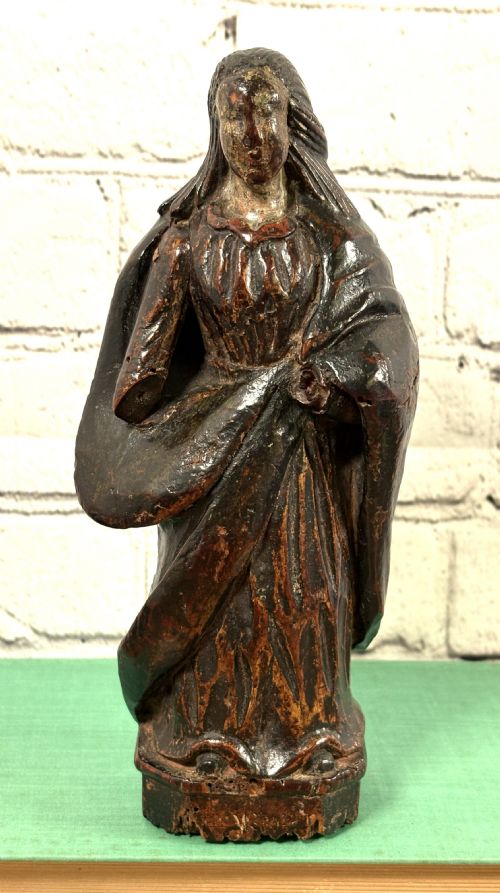
Carvers shaped local timbers such as oak, limewood, applewood, and walnut with gouges and chisels. Artisans then applied gesso as a smooth base for subsequent layers of paint or gold leaf.
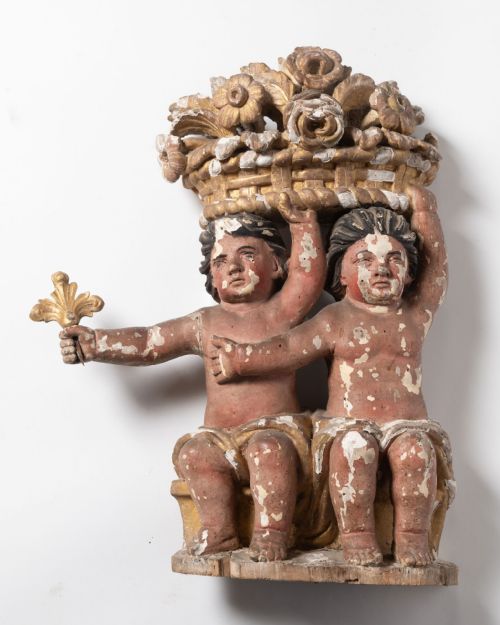
Polychrome decoration brought realism to faces and garments through oil and tempera paints. Gilding added reflective brilliance to halos, backgrounds, and carved drapery.
The listings span the seventeenth, eighteenth, and nineteenth centuries, utilising carved wood, gesso, gold leaf, and oil on canvas.
What varies in quality
The depth of carving in the drapery and the expression held within the face determine the distinction of a piece. Master carvers captured movement and emotion in wood, while lesser hands produced rigid forms.
The survival of original polychrome paint and gilding alters the historical integrity of a sculpture. Traces of early pigments hold greater interest than modern overpainting.
Pietro D'Asaro
The Baroque Religious Figure Glossary
- Polychrome paint
- Colourful pigment applied to wood or stone sculptures to render figures lifelike. This method was widely used in devotional art.
- Corpus Christi
- The body of Jesus Christ depicted on a cross. These figures range from small devotional carvings to monumental church pieces.
- Gesso
- A plaster mixture applied to wood surfaces to prepare them for gilding or painting. It provides a smooth foundation for fine detail work.
- Putto
- A representation of a naked cherubic child, often depicted with wings in religious art. Pairs of these figures frequently flank larger altarpieces.
- Giltwood
- Wood that has been treated and coated with thin sheets of gold leaf. This technique illuminated dark sacred spaces.
Baroque Religious Figure: Frequently Asked Questions
How were these figures used originally?
These sculptures and paintings served as focal points for prayer and contemplation within churches, private chapels, and domestic shrines. They aided worshippers in visualising biblical narratives and venerating specific saints.
Many smaller pieces also formed part of travelling devotions or elaborate seasonal crèche displays in Catholic regions.
How do I care for historic wood carvings?
Keep carved wooden figures away from direct sunlight and steady heat sources to prevent the wood from drying and cracking. Maintain a stable indoor environment with consistent humidity levels.
Dust gently with a soft, dry brush and avoid applying liquid cleaners or polishes to fragile polychrome surfaces.
How can I tell Italian carvings from Spanish ones?
Italian baroque works frequently emphasise flowing classical lines and naturalistic proportions in the human form. Spanish pieces often display intense emotional expression and elaborate polychrome detailing.
Regional timber choices, such as olive wood in southern areas or limewood in northern workshops, also offer clues to origin.