



Baroque Carved Figures
Baroque carved figures bring theatrical drama, religious devotion and vigorous movement into a room through masterful hand-carving.
Baroque Carved Figures
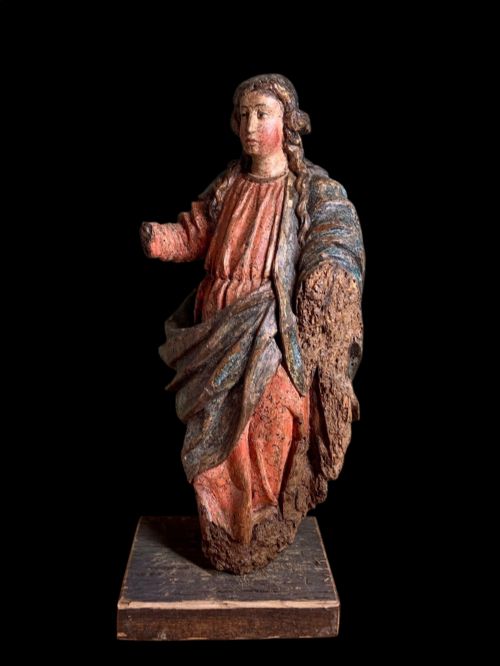
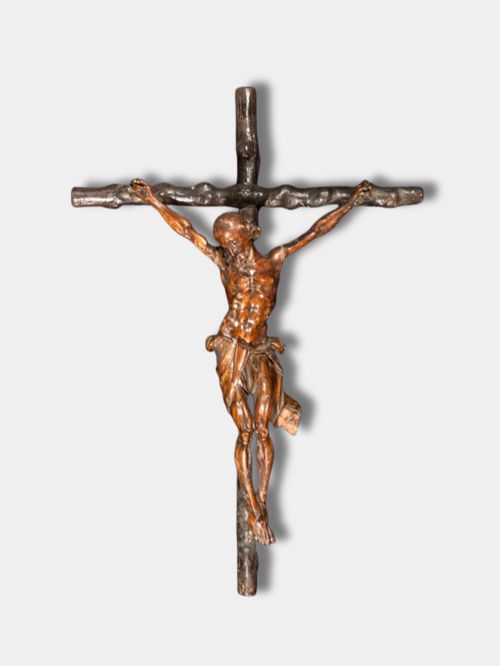
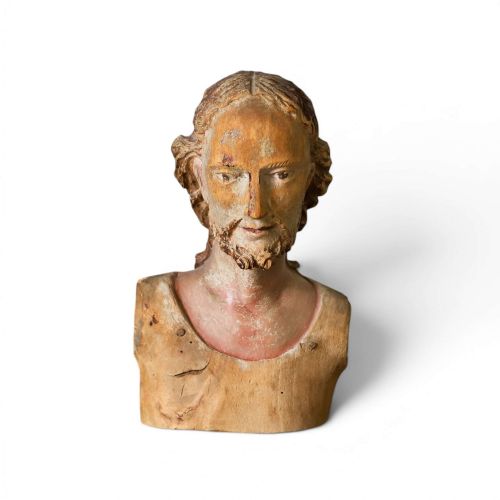
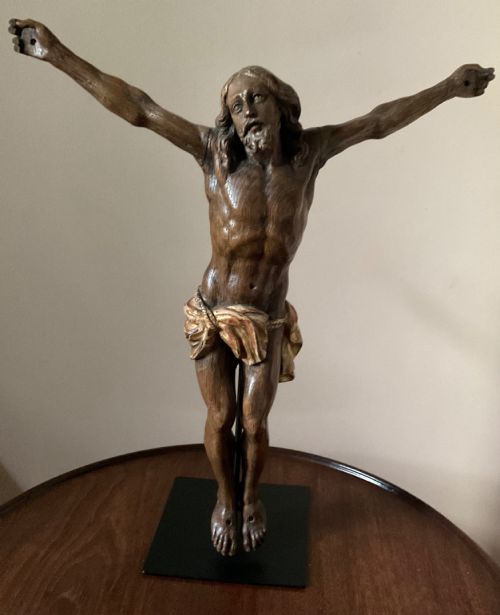
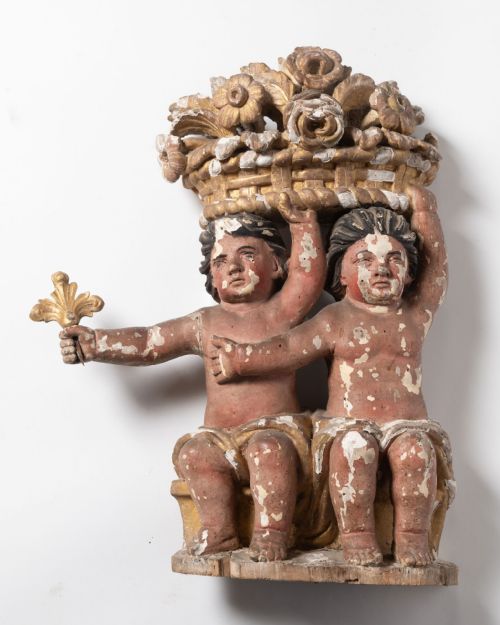
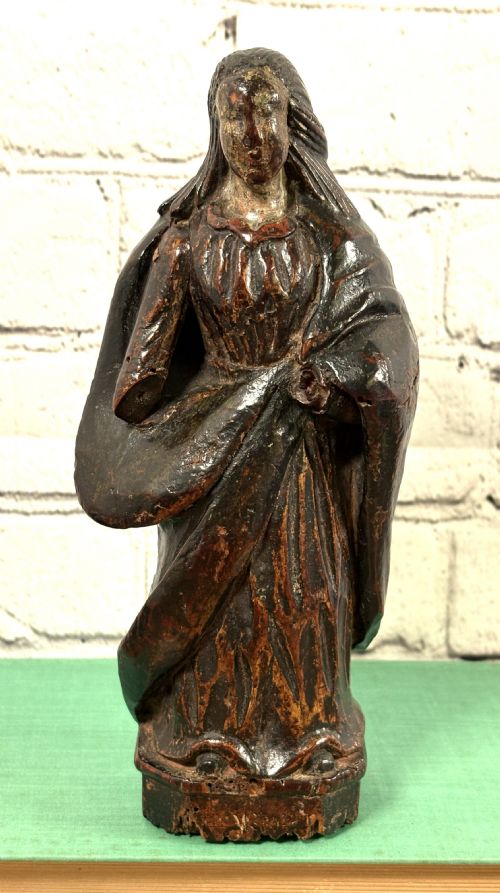
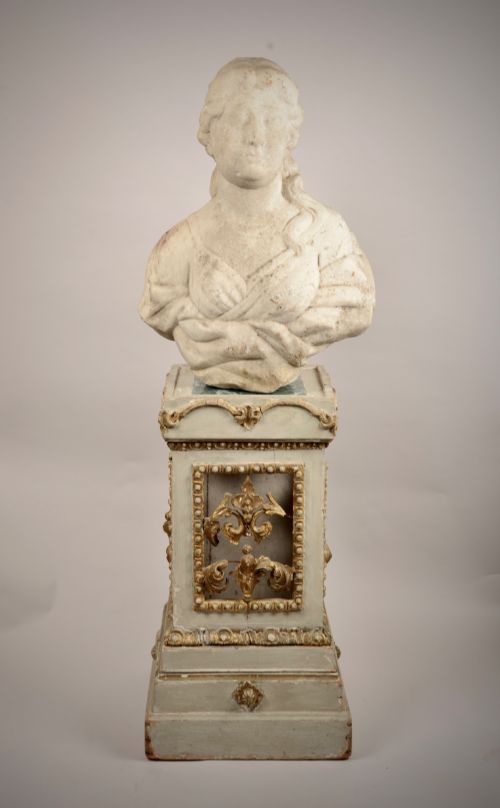
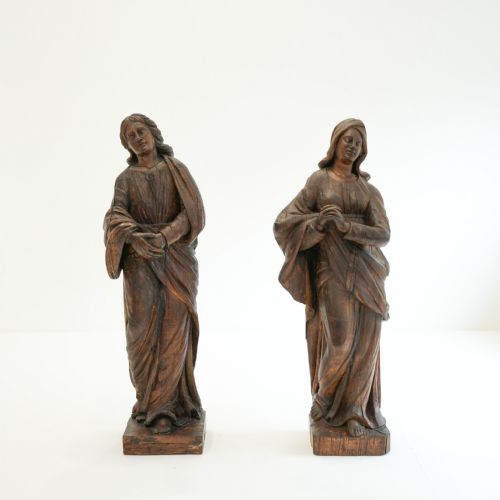
When you search for baroque carved figures, you encounter sculptural works that span from the seventeenth century through the nineteenth century, reflecting continental European religious and secular traditions. These items encompass depictions of saints, cherubs, angels, caryatids and ecclesiastical figures carved from various woods.
The objects most frequently met on this page include seventeenth-century and eighteenth-century continental pieces, often originating from Italy, Spain, Germany and the Low Countries. Creators shaped these works as single devotional statues, pairs of angels, wall sculptures and architectural fragments.
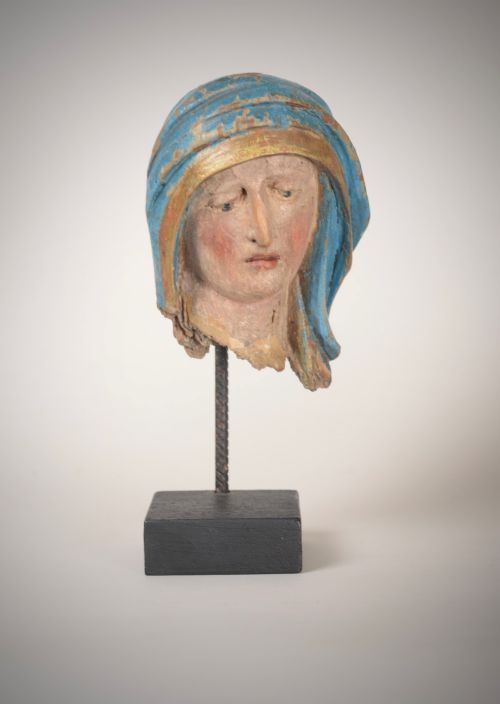
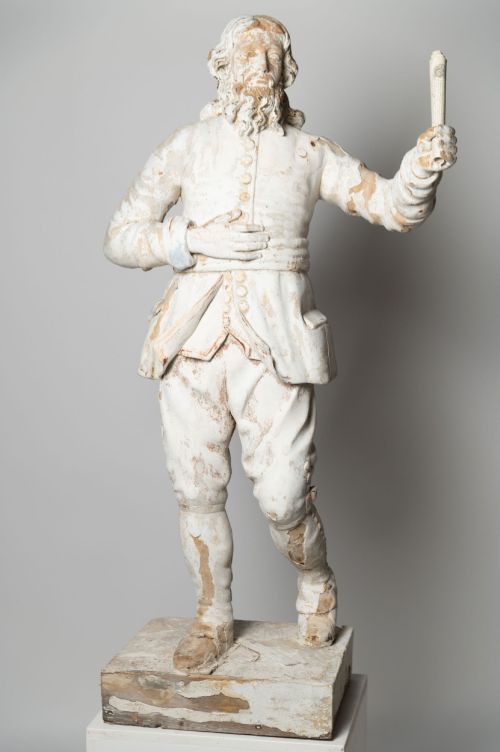
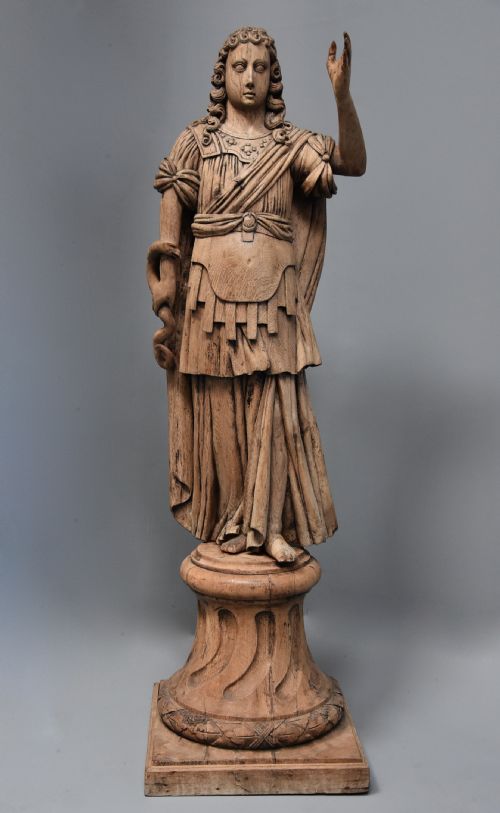
Many examples retain their original surface treatments, including polychrome paint, gesso and gold leaf. Others present as plain carved wood, showing the natural grain of oak, limewood, applewood, boxwood or olive wood.
How they were made
Carvers typically worked in hardwoods and softwoods such as oak, limewood, boxwood, applewood and olive wood, removing material with gouges and chisels to achieve deep undercut drapery and dynamic bodily torsion. Fine details required dense timbers that held crisp edges under hand tools.
Makers often applied a preparation layer of gesso over the wood before adding polychrome paint, silvering or gold leaf to enhance the visual richness of the sculpture. Pigments and metallic leaf brought liturgical garments and flesh tones to vibrant life in candlelit interiors.
Several seventeenth-century angels appear to kneel directly upon fluffy wooden clouds.
What varies in quality
Quality rests upon the anatomical fluency of the carving, the depth of the drapery folds and the expressive power captured in the face and hands. Master carvers achieved a sense of weight, movement and psychological presence that separates exceptional devotional art from routine workshop production.
The survival of original surface finishes, such as polychromy and gilding, alters the integrity of a piece. Retained traces of historic paint and gold leaf reveal the intended visual impact, whereas later overpainting obscures the original hand of the maker.
Simon Troger
The Baroque Carved Figures Glossary
- Polychrome
- Painted in several colours. This surface treatment was applied over gesso to render garments and flesh realistically.
- Giltwood
- Wood that has been covered with thin gold leaf. This technique imparted a brilliant metallic sheen suitable for ecclesiastical settings.
- Gesso
- A plaster mixture applied as a smooth base for paint or gold leaf. It sealed the timber and provided a crisp surface for fine details.
- Caryatid
- A sculpted female figure serving as an architectural support. These structural elements appeared on furniture and wall installations.
- Putto
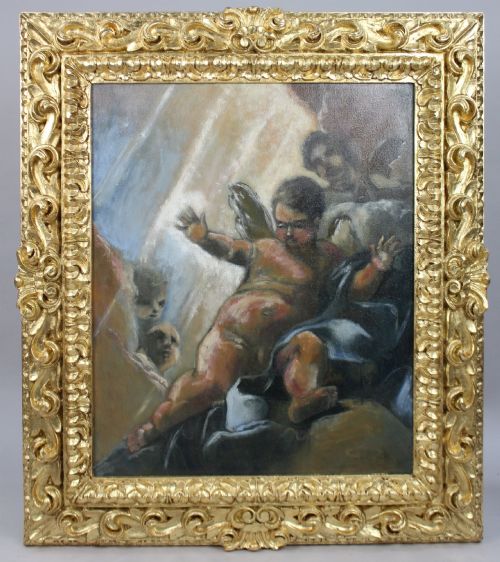
- A plump, naked male child figure often depicted as a cherub or angel. They populate religious compositions and decorative architectural fragments.
Baroque Carved Figures: Frequently Asked Questions
What woods were used for these sculptures?
Carvers utilised a range of timbers depending on regional availability and the scale of the commission. Oak, limewood, boxwood, olive wood and applewood appear frequently across the listings.
Dense woods like boxwood suited small-scale detailed work, while larger figures were often carved from limewood or oak.
Why do many figures retain paint?
Original polychrome paint and gilding were integral to the devotional function of ecclesiastical art. Colour and gold leaf made statues appear lifelike and luminous in dim chapels.
Surviving pigment layers provide historical evidence of how these objects were originally displayed and experienced.
Where were these carvings made?
The listings show origins spanning Italy, Spain, Germany, Flanders and the Low Countries. Regional workshops developed distinct stylistic characteristics in drapery and facial expression.
Italian and Spanish pieces often display intense emotional drama, while German and Flemish works highlight intricate woodcraft.
How do you display them at home?
These sculptures suit placement on brackets, tabletops or architectural stands where their three-dimensional form is visible. Wall sculptures and brackets can be mounted securely to display panels.
Stable indoor humidity and distance from direct heat sources protect historic wood and delicate gesso surfaces.