
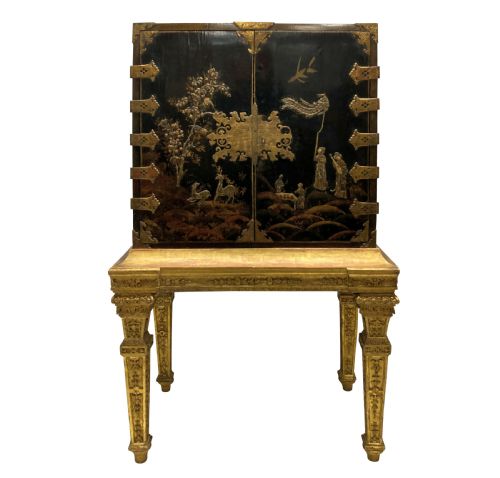
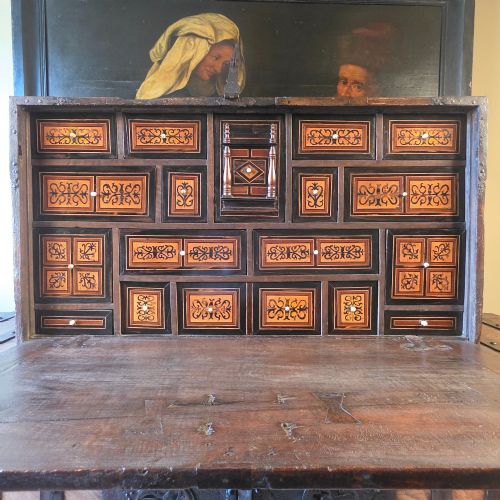
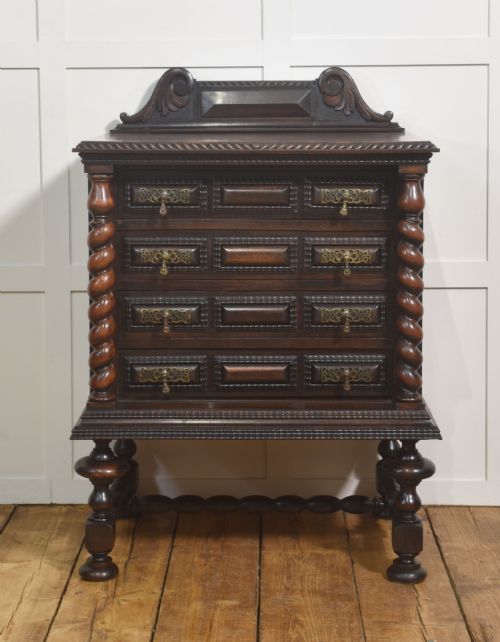
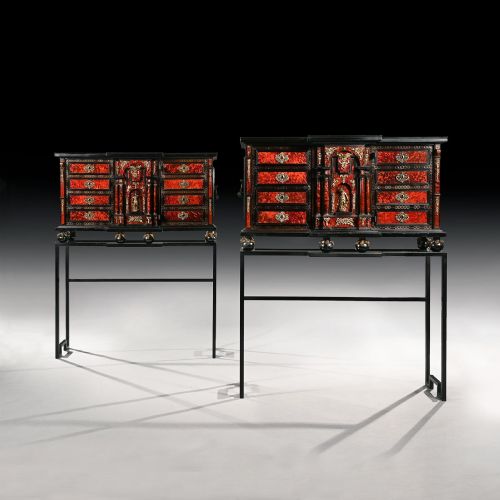
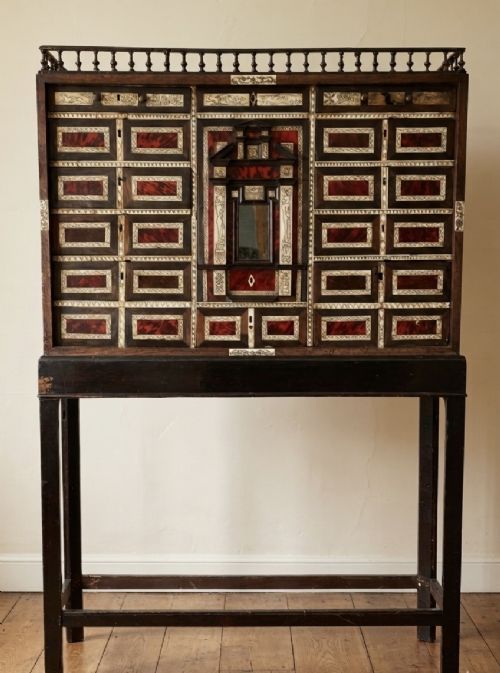


Baroque Cabinet on Stand
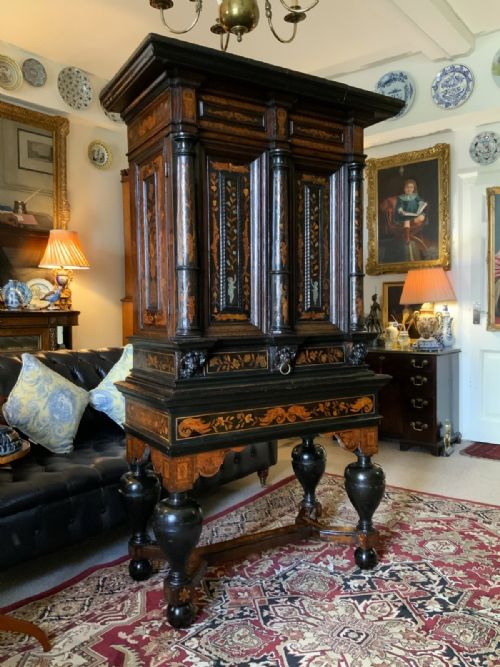
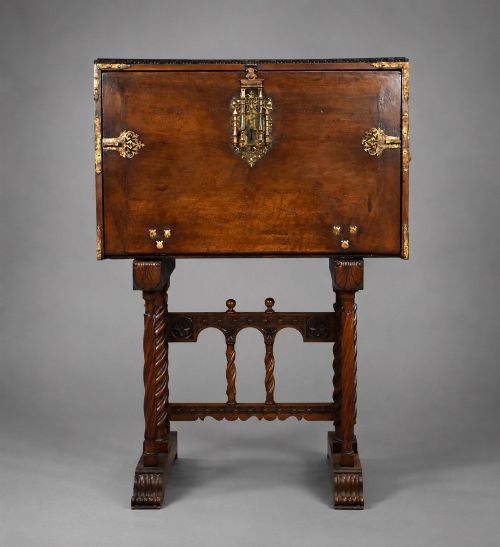
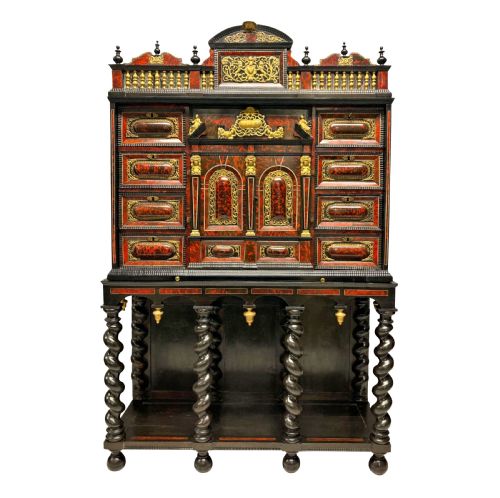
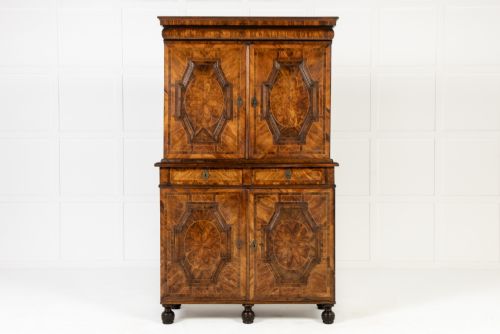
These baroque cabinet on stand examples combine architectural presence with intricate surface work, offering serious collectors a commanding centrepiece for any room.
What They Are
A baroque cabinet on stand brings together a large storage compartment and a dedicated supporting base, creating an imposing furniture form designed to display wealth and taste. Most pieces belong to the seventeenth century, though later revivals from eighteen eighty also appear.
Regional variations define the selection, ranging from Spanish and Dutch baroque to Flemish, Portuguese, and William and Mary styles. These objects function primarily as high-status storage for collections of small treasures, documents, or curiosities.
How They Were Made
Cakinetmakers combined dense structural timbers like walnut, kingwood, and ebonised wood with exotic surface materials including tortoiseshell, bone, and japanned lacquer. Metalwork played an essential structural and decorative role, featuring brass, engraved brass, and gilt bronze mounts.
Intricate decorative techniques involved marquetry and pewter inlay set directly into the wooden carcasses. Stands utilised heavy turning and carving, often rendered in giltwood to elevate the cabinet body above the floor.
Retail Price Guide 2026
Typical UK retail prices for baroque cabinet on stand, calculated from the Sellingantiques database of over a million retail prices indexed since 2003. This retail price guide relies exclusively on Sellingantiques data; no external sources or auction records are used, so the figures do not describe the wider market.
Meticulous craftsmen spent months slicing thin sheets of bone and tortoiseshell just to line the interior drawers of a single cabinet.
What Varies in Quality
The sophistication of the surface materials dictates the hierarchy of quality, distinguishing simple timber construction from elaborate veneers of tortoiseshell, bone, and marquetry. The integration between cabinet and stand reveals the hand of a master workshop rather than a provincial maker.
Refinement in engraved brass mounts and pewter inlay separates standard production from exceptional examples. Furthermore, the coherence of regional baroque style, whether Dutch, Flemish, or Spanish, commands greater scholarly and aesthetic appreciation.
The Baroque Cabinet on Stand Glossary
- Baroque
- A style spanning the seventeenth and eighteenth centuries characterised by drama, exuberant decoration, and monumental scale. This aesthetic prioritised rich textures and dynamic forms over classical restraint.
- Ebonised wood
- Timber treated to imitate solid ebony, a prized material in seventeenth-century cabinetmaking. This technique created deep black surfaces that highlighted inlaid bone and tortoiseshell.
- Japanned lacquer
- European imitation of Asian lacquerwork built up in multiple layers and cured. Artisans often decorated these glossy surfaces with chinoiserie motifs in gold and colour.
- Marquetry
- The art of applying veneers of different woods, metals, and organic materials to form pictorial or geometric designs. Craftsmen carefully cut these elements to fit flush across the cabinet doors.
Frequently Asked Questions
What is a baroque cabinet on stand?
A baroque cabinet on stand is a dual-component furniture form featuring a heavy storage cabinet resting upon a raised base or table structure. These pieces date principally from the seventeenth century and showcase elaborate decorative surfaces.
They were engineered to hold valuable possessions while serving as monumental displays of status within wealthy interiors. The elevated design prevented dampness from reaching the lower sections and created a balanced architectural silhouette.
How do I distinguish seventeenth-century pieces from later revivals?
Distinguishing seventeenth-century examples from eighteen eighty revivals requires close examination of construction methods, timber ageing, and hardware fixings. Original seventeenth-century pieces display hand-cut joinery and period-specific material pairings like ebony, bone, and tortoiseshell.
Later nineteenth-century revival pieces often utilise machine-sawn elements and different secondary woods beneath the veneers. Stylistic details in the stands also reflect the manufacturing techniques and aesthetic preferences of the later period.
Where were these cabinets made?
These cabinets originate from various European centres influenced by baroque design, including Spain, the Netherlands, Flanders, Portugal, and England. Each region developed distinct preferences for specific surface materials and structural motifs.
For instance, Dutch workshops favoured intricate marquetry with pewter inlay, while Flemish and Spanish makers frequently utilised tortoiseshell, ebony, and bone. British makers working in the William and Mary style incorporated japanned lacquer finishes.
How should I care for a tortoiseshell and bone cabinet?
Caring for delicate organic veneers requires maintaining stable room temperature and humidity levels to prevent the wood and tortoiseshell from shrinking or cracking. Direct sunlight must be avoided to protect the natural colours and prevent fading.
Dusting should be performed gently with a dry, soft cloth without applying modern chemical polishes. Professional conservation advice is recommended for any structural maintenance or hinge adjustments.